
Clothing Choices for Comfort and Speed on Race Day
When preparing for race day in triathlon training, one of the most crucial elements to focus on is your clothing choices. The right outfit can significantly impact your performance, enhancing both comfort and speed. Athletes should prioritize lightweight, breathable materials that wick moisture away from the body to keep cool during intense activity. Consider selecting a tri suit, which offers a streamlined fit and supports both cycling and running. Look for features such as integrated padding and pockets to store nutrition. Additionally, the fabric should offer some compression to aid in muscle support. Aim for clothes that reduce drag and enhance aerodynamics to gain every possible advantage. Moreover, think about the color and style; darker colors absorb more heat while reflective materials can help in visibility. Pay attention to the seams and stitching as they can prevent chafing. Always test your gear in training to ensure comfort. Proper sock selection also plays a role, so choose moisture-wicking socks that fit snugly without slipping. Overall, investing time in clothing choices can lead to substantial gains on race day.
Equally important are the accessories you wear on race day. Accessories such as headwear, sunglasses, and proper footwear can enhance performance considerably. A good pair of running shoes is vital because they must be comfortable, lightweight, and provide ample support. Make sure to break them in before race day to avoid blisters. Sunglasses can protect your eyes from UV rays and help reduce glare, essential for maintaining focus during the race. Look for glasses that fit securely and offer clear vision without obstructing your field of view. A cap or visor can help control sweat and shield your face from the sun, keeping you cooler. When choosing accessories, consider the weather forecast. If rain is expected, opting for water-resistant gear may be wise. With temperatures rising in the summer months, avoid dark colors to reduce overheating. Conversely, layering for cooler weather is crucial; a lightweight base layer under your tri suit can help retain body heat without adding bulk. Each accessory needs to complement your overall attire, maximizing both comfort and efficiency.
Weather Considerations for Performance
The weather on race day can greatly influence your clothing decisions. For hot, sunny conditions, it is essential to wear lightweight and breathable fabrics that allow sweat to evaporate quickly. Fabrics designed with moisture-wicking technology will keep you cooler, especially during lengthy events. In contrast, races in colder climates require strategic layering, where moisture-wicking base layers can trap warmth without compromising mobility. Look for thermal fabrics that provide insulation but remain flexible and comfortable. Windbreakers and light jackets can be beneficial in transitional weather—making them an excellent option for fluctuating temperatures. If rain is in the forecast, waterproof or water-resistant layers can help keep you dry and warm without being overly heavy. As heat can be detrimental, breathable mesh panels on clothing will help manage body temperature. Always check the weather forecast in advance so that you can adapt your clothing accordingly. Don’t forget to prepare for changing conditions during the race; pack an extra layer if needed. A well-thought-out clothing strategy based on the weather will enhance both comfort and your ability to perform at your best.
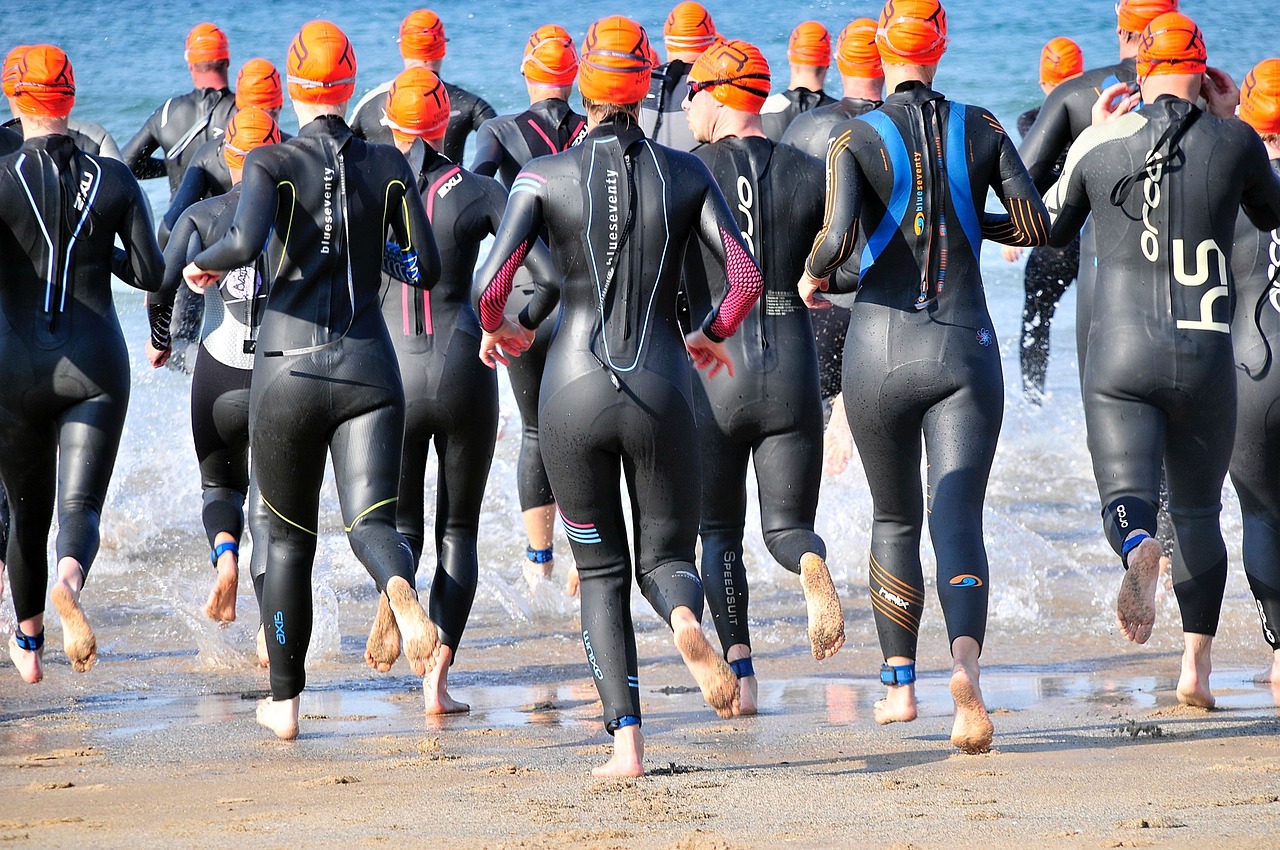
Trisuits are an essential piece in triathlon clothing choices that serve multiple functions. They are specifically designed for the demands of swimming, cycling, and running. The seamless design reduces chafing, while built-in padding provides comfort for cycling, allowing for fluid transitions. Choosing the right trisuit entails finding a fit that supports your individual physique while ensuring maximum flexibility. Testing your suit during training sessions is crucial to ascertain fit and comfort. Some trisuits include pockets, which are convenient for storing energy gels or snacks during longer races. Fabrics that dry quickly after swimming are crucial; avoid suits that retain water as they can weigh you down. Next, pay attention to the zipper; a long zipper allows for easier on and off during transitions. Colors and patterns can also help with visibility among competitors. Understand that your body will change as you train for the race, so consider sizing carefully. Overall, a good-quality trisuit optimizes performance, allowing athletes to focus on race strategy rather than equipment concerns.
Nutrition and Hydration Gear
In triathlon training, nutrition and hydration are also significant themes incorporated into race day clothing. It is vital to choose clothing with pockets or storage options sufficient for your fuel requirements. Depending on the race duration, this could be gels, bars, or electrolyte capsules. Look for tri suits with specially designed pockets in practical locations for easy access during transitions. Hydration packs or belts may also be used, but you need to ensure they fit snugly to avoid bouncing or chafing. Opt for accessories that allow you to carry water, especially during longer races where hydration is key to performance. Sleeves or vests made from ventilation-enhanced materials can help regulate body temperature while keeping your hydration essentials secure. Practicing with your nutrition attire during training can help you gauge the best gear for race day. Understand that different fabrics respond uniquely to sweat, impacting your overall comfort. A thoughtful approach to nutrition gear guarantees that you stay energized throughout the event, ensuring a focus on performance rather than discomfort.
Footwear choices on race day are as critical as the main clothing selections. Since each discipline in triathlon demands unique requirements from your feet, investing in specialized shoes can significantly enhance performance. Cycling shoes, for example, should be stiff for efficient energy transfer but also comfortable for transitions. When choosing running shoes, look for lightweight options that offer adequate cushioning for comfort over long distances. Again, breaking in shoes ahead of the race will help to avoid any unpleasant surprises. Make sure that your shoes allow for foot swelling, which can commonly occur during extended periods of racing. Consider moisture-wicking socks that prevent blisters and provide a secure fit. Elastics on cycling shoes can allow for quick on-and-off transitions, helping to streamline your race strategy. Furthermore, consider the terrain of the race route; running trails may require different foot support than road racing. In any case, prioritize how shoes feel during movement to maintain speeds on race day while ensuring minimal discomfort. When attention is given to footwear, it could lead to substantial gains in overall race performance.
Post-Race Clothing Considerations
Lastly, do not overlook the importance of post-race clothing for recovery and transition after intense exertion. The focus following the race should shift to comfort and temperature regulation. Change into fresh, dry clothes that support the body’s cooling process after finishing; damp clothing may feel heavy and uncomfortable. Depending on the weather, opt for light layers that can be easily removed. Recovery gear, such as compression garments, can aid in muscle recovery; they improve circulation and facilitate healing after intense activity. Keep in mind that colder environments may necessitate a jacket or other layers immediately after the race. Hydration systems designed for recovery can also help. Consider clothing that retains warmth while being moisture-wicking, preventing chills from sweat. If appropriate, an easy-to-change outfit can drastically affect how one feels after the race. Pay attention to your body during recovery; good choices here can include warm, comfortable socks or pants that provide ease while you rehydrate and refuel. Mindfully selecting post-race clothing can enhance the recovery experience significantly.
Concluding, clothing choices on race day greatly impact an athlete’s overall performance in triathlon events. Emphasizing comfort, speed, and functionality is vital. Consider all aspects discussed, including weather conditions and the specific demands of swimming, cycling, and running. Don’t forget about the importance of accessories and recovery clothing post-race. The right equipment can transform a good performance into a great one, leading to improved confidence and enjoyment throughout the event. Athlete education surrounding gear selection is imperative for training and race day success. Regularly test gear in training to ensure that it meets your needs properly. Pay great attention to details like fit, materials, and functionality. Make decisions earlier to avoid last-minute stress on race day. Lastly, remain adaptable as conditions change to ensure every race experience is positive. Keep track of what worked well and what did not, adjusting for future events. Each race provides an opportunity to learn and grow as an athlete, enhancing both performance and enjoyment. Ultimately, thoughtful clothing decisions will make a difference in achieving individual goals on race day.