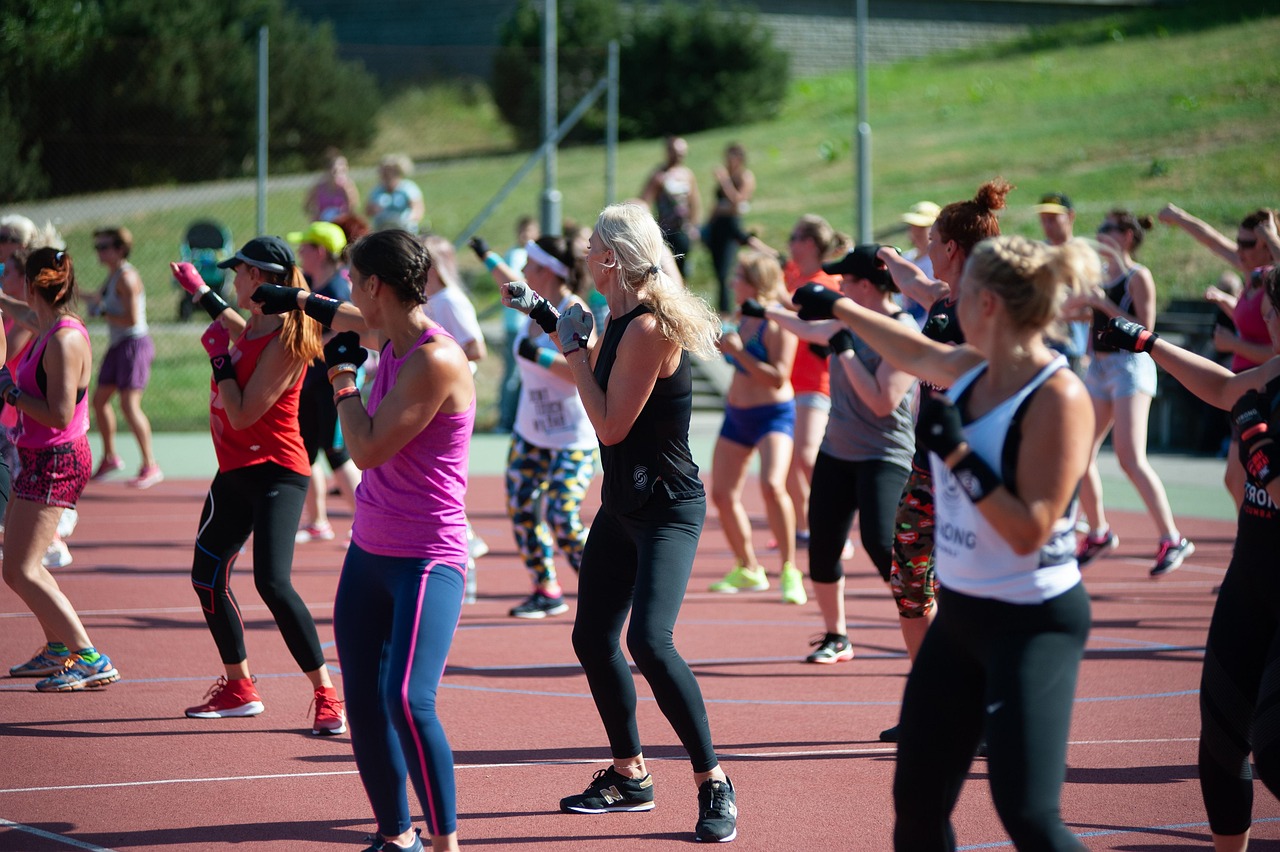

The Connection Between Nutrition and Performance in Group Cardiovascular Classes
Group cardiovascular fitness classes have gained significant popularity among fitness enthusiasts due to their ability to enhance both physical fitness levels and social connections. These classes not only promote cardiovascular health, but they also encourage participants to maintain a consistent workout routine together. However, one crucial aspect that can significantly impact performance in these classes is nutrition. When participants understand the relationship between the food they consume and their workout performance, they can set themselves up for success. Eating a well-balanced diet, coupled with hydration, is essential for optimal energy levels and endurance during these cardiovascular workouts. For individuals engaging in high-intensity courses, the intake of carbohydrates, proteins, and healthy fats plays a vital role. Incorporating fruit, whole grains, lean proteins, and vegetables ensures that their bodies receive adequate fuel. A pre-workout meal should ideally be consumed about 30 to 60 minutes before class, allowing for the necessary energy during their sessions. Monitoring their nutrition can lead to improved performance, increased stamina, and enhanced recovery after workouts.
Furthermore, individuals attending group cardiovascular classes need to be aware of the role hydration plays in their performance levels. Proper hydration before, during, and after workouts is necessary to maintain optimal physiological function and achieve better results. Dehydration can lead to decreased energy, reduced endurance, and impaired recovery, ultimately hindering overall performance. Water should be the primary beverage of choice; however, electrolytes boost hydration and are especially beneficial after intense sessions. Consuming hydrating foods, such as fruits and vegetables, can also contribute to maintaining hydration levels. Moreover, knowing the proper portion sizes, individuals can optimize their meals without feeling overly full or lethargic. Experimenting with various foods may also help them identify which nutrients fuel their workouts effectively. Nutrition should be tailored to each participant’s unique fitness goals, taking both time and intensity into account. Group fitness classes create a supportive environment, allowing individuals to discuss their experiences and share knowledge about meal planning, leading to better nutritional choices for everyone involved.
Food Choices and Their Impact on Energy Levels
The food choices made by participants can directly impact their performance in group cardiovascular fitness classes. Foods that have a high glycemic index can provide quick energy, making them suitable for pre-workout snacks. Examples of these foods include bananas, rice cakes, and energy bars that help fuel workouts. However, consuming overly processed foods with additives may lead to energy crashes. Consequently, participants should focus on incorporating whole food options into their diet. Fatty foods should also be limited, as they can impede digestion and reduce energy availability during workouts. Instead, choosing healthy snack options prior to class can improve focus and maximize output during high-intensity sessions. Additionally, a balanced meal rich in carbohydrates should follow an intense workout. Timing is key; post-workout, fueling the body with protein aids muscle repair while replenishing glycogen stores. Replenishment plays an important role in recovery, allowing individuals to bounce back more effectively for their next class. Therefore, understanding the types of foods that benefit their performance is crucial for all participants.
Meal planning is critical for participants who aim to improve their performance in group cardiovascular fitness classes. Creating a weekly meal plan that focuses on nutritious foods can help individuals stay accountable and help streamline shopping and cooking. Including a variety of nutrient-dense foods ensures that they received ample vitamins and minerals, essential for recovery and overall health. Simple recipes can be prepared in advance, allowing participants to grab a healthy meal quickly. Bulk prepping meals also aids in portion control while keeping caloric intake in check. For those with busy schedules, these practices ensure that nutritious options are always available, reducing reliance on unhealthy fast food. Meal prep containers can be a wise investment for sharing meals with family and friends or for personal use. Additionally, participating in cooking classes or nutrition workshops can provide valuable knowledge and inspiration. Such educational opportunities help participants learn how to prepare healthy meals effectively, boosting interest in better food choices, and ultimately positively impacting their performance in group classes.
The Role of Macronutrients
Understanding the role of macronutrients is vital for those looking to optimize their performance during group cardiovascular fitness classes. Each macronutrient—carbohydrates, protein, and fats—has a specific function that can enhance performance and support the body’s overall needs. Carbohydrates serve as the primary energy source during high-intensity activities, while protein is essential for muscle repair and growth. Healthy fats provide long-lasting energy and may help to delay the onset of fatigue. Participants should aim to consume a balanced mix of all three macronutrients to maintain energy levels throughout their workouts. Pre-, intra-, and post-exercise nutrition strategies should be tailored to fit dietary preferences and fitness goals. Moreover, individuals can explore nutrient timing strategies to enhance their performance and recovery. Consistent evaluation of these practices allows participants to understand what works best for their bodies and improves performance. In group settings, learning from peers can be motivational, creating accountability while promoting healthy habits that translate to improved exercise outcomes.
In addition to macronutrients, micronutrients play an important role in supporting various bodily functions that contribute to overall performance in cardiovascular fitness classes. Vitamins and minerals work as co-factors in metabolic pathways, meaning deficiencies can lead to fatigue and poor recovery. Foods rich in vitamins A, C, D, E, as well as calcium and iron, should be included regularly in participants’ diets. Consuming a variety of colorful fruits and vegetables ensures an adequate intake of these essential nutrients; plus, they provide antioxidants that combat oxidative stress during workouts. When engaging in high-intensity and frequent training sessions, the body requires more nutrition to keep up with increased demands. Paying attention to nutrient sources and food quality can make a significant difference. Group fitness participants should strive to incorporate whole foods into their meals and snacks instead of relying on supplements alone. Engaging in discussions about nutrition in group classes can foster a community that supports one another in making healthy choices, providing valuable information, and motivating others to find balance.
Conclusion: Nutrition as Key to Success
Ultimately, understanding the connection between nutrition and performance in group cardiovascular fitness classes is crucial for maximizing results. Participants can significantly improve their workout experience and overall fitness by implementing proper nutrition strategies. A well-structured diet, focused on whole foods, hydration, and macronutrient balance, will empower individuals to perform at their best. Furthermore, fostering a community of shared ideas and experiences related to nutrition can provide motivation and accountability. The challenges posed by fitness goals often require a multi-faceted approach to nutrition. As each individual refines their eating habits, they can ensure a tailored plan that supports their energetic needs and muscle recovery. Embracing healthier choices requires commitment, but the rewards will lead to improved performance and a more enjoyable experience in group fitness settings. Each participant is responsible for understanding nutrition’s impact and actively working to improve their diet, setting the foundation for success. In conclusion, developing effective nutritional habits is a key component that significantly influences performance and satisfaction during group cardiovascular fitness classes.
Moreover, addressing potential roadblocks can enhance nutrition education among group cardiovascular fitness participants. Factors like time constraints or lack of culinary skills can hinder their ability to prepare healthy meals. Offering workshops on quick meal preparation, budgeting for nutritious grocery shopping, and reading food labels can empower individuals to make better choices. Group fitness centers can provide resources that link exercise, nutrition, and health education, thus enhancing the overall experience for participants. Creating a culture of consciousness about nutrition can support long-term behavior changes among individuals. Social events can be organized to encourage shared meals, supporting nutritional learning and better food choices. Fun challenges or contests around healthy recipes can also stimulate interest in cooking at home. As participants become more informed about the relationship between nutrition and fitness, they will apply knowledge toward their own routines. Building the connection strengthens not just individual commitment but also community support systems. Ultimately, as knowledge spreads, the collective health of the group flourishes, benefiting everyone involved.