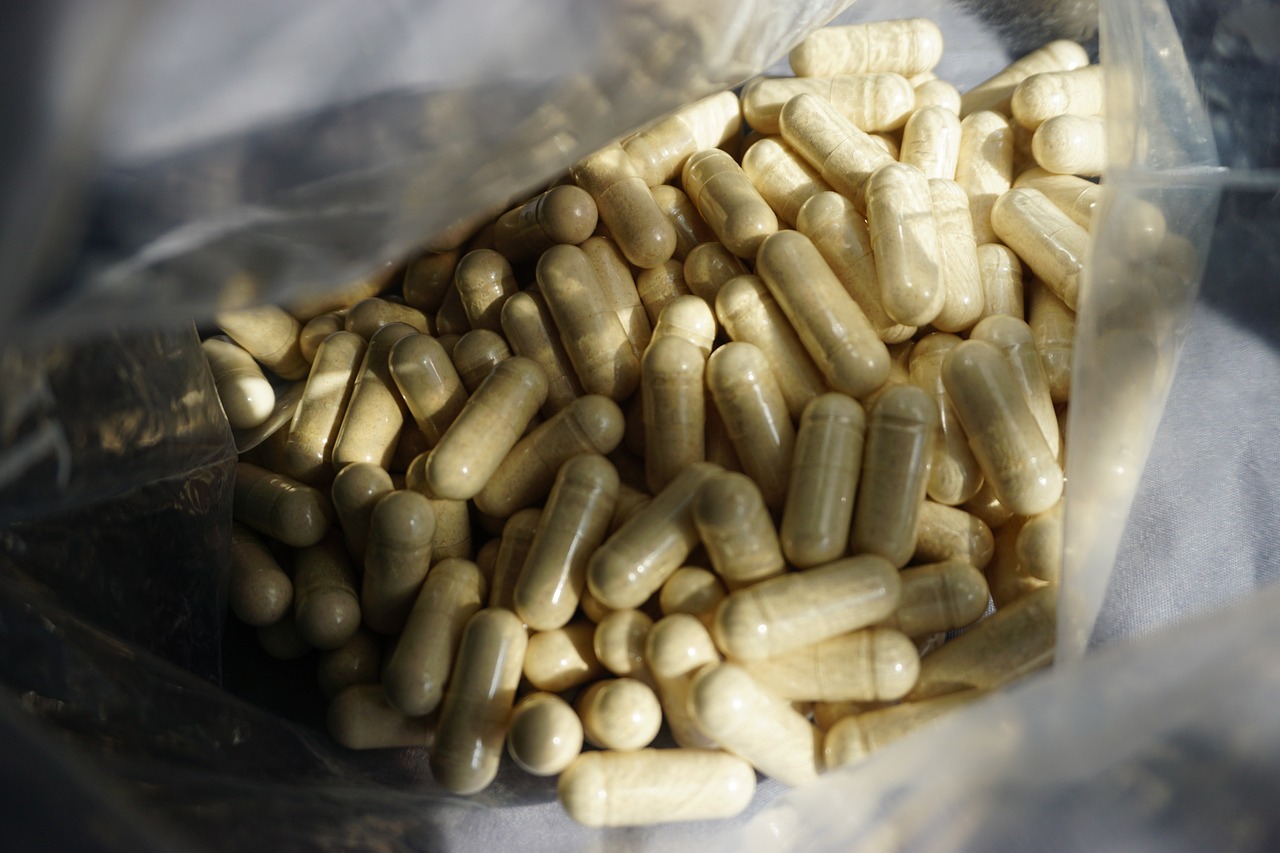

The Importance of Iron for Kickboxing Athletes
Kickboxing requires immense physical endurance and strength, making proper nutrition essential. One critical nutrient that often gets overlooked is iron, which plays a vital role in athletic performance. Iron helps transport oxygen throughout the body, and this process is particularly important for athletes who need efficient energy production. A deficiency in iron can lead to fatigue and decreased performance, which is detrimental for kickboxers training intensively. Ensuring adequate iron intake can help maintain optimal levels of energy and stamina, allowing athletes to train harder and longer. Kickboxers typically need to consume more iron due to their high activity levels and the likelihood of losing iron through sweat during workouts. Foods high in iron include red meat, poultry, fish, lentils, and fortified cereals. It’s essential to combine these sources with vitamin C to enhance absorption. Additionally, athletes should be aware of potential inhibitors to iron absorption such as calcium and certain phytates found in legumes. Integrating a balanced diet rich in iron can significantly impact a kickboxer’s overall performance and health.
A kickboxer’s training regimen emphasizes intense workouts that require both endurance and strength. This makes understanding iron’s role in energy metabolism even more crucial. Iron is a component of hemoglobin, which carries oxygen in the bloodstream. Without sufficient iron, the body struggles to deliver oxygen to muscles efficiently. This situation can lead to reduced endurance and increased fatigue, both of which can severely affect training sessions and competitive performances. The recommended dietary allowance (RDA) for iron varies by age and gender, with female athletes often requiring more due to menstrual losses. Including a variety of iron-rich foods can help meet these needs, and kickboxers may want to consider iron supplements, especially if they are prone to deficiency. However, it’s important to consult a healthcare professional before starting any supplements. Moreover, maintaining a balanced intake of other nutrients, such as proteins, carbohydrates, and fats, will optimize performance and recovery. Supplements should complement, not replace, a well-rounded diet. Educating oneself about nutritional needs is vital for athletes striving to reach their peak performance.
Iron Deficiency Symptoms
Understanding the symptoms of iron deficiency is imperative for kickboxers aiming to maintain their peak performance levels. Early signs may include excessive fatigue, reduced exercise performance, and diminished strength. Additionally, athletes may experience shortness of breath during workouts, indicative of inadequate oxygen supply to the muscles. Persistent feelings of dizziness or weakness may also arise, negatively impacting not just training but daily activities as well. A common misconception is that only vegetarians or individuals with poor diets are at risk for iron deficiency; however, this can affect anyone, including active athletes. Regular monitoring of iron levels through blood tests can help identify deficiency early on. Awareness of one’s body and its signals can prompt timely nutritional adjustments or medical consultations. Kickboxers should also keep track of their nutrient intake and be mindful of how their diet may influence their athletic performance. Incorporating diverse sources of iron can be both beneficial and enjoyable. Learning to identify and address these symptoms can empower kickboxers to stay healthy and perform at their best.
The absorption of iron can vary greatly depending on dietary choices, and kickboxers must consider how to optimize this process. Dietary iron comes in two forms: heme and non-heme iron. Heme iron, found in animal sources, is more readily absorbed by the body compared to non-heme iron from plant sources. This factor implies that incorporating animal proteins, like beef or chicken, can significantly benefit kickboxers aiming to replenish their iron stores. Conversely, non-heme iron sources require combining with vitamin C-rich foods to maximize absorption. For instance, pairing lentils with citrus fruits or bell peppers creates a synergistic effect that enhances iron uptake. Additionally, it’s crucial to be aware of substances that can inhibit iron absorption, including tannins, present in tea and coffee, and calcium. Timing meals around training sessions can also play a role; consuming iron-rich foods post-workout ensures that the body utilizes nutrients effectively for recovery. With a well-planned diet, kickboxers can improve their chances of maintaining healthy iron levels, enabling them to excel in their sport.
Role of Iron in Recovery
Recovery is a critical part of any athlete’s training cycle, and iron plays a significant role in this process, particularly for kickboxers. Following intense training, the body needs to repair and rebuild muscle tissue, which requires various nutrients, including iron. By transporting oxygen to muscles, iron facilitates the recovery process, helping to reduce soreness and fatigue. Also, adequate iron levels can bolster the immune system, minimizing the risk of illnesses that could sideline training efforts. Kickboxers often face rigorous training schedules, leading to wear and tear on the body. Thus, maintaining sufficient iron levels is not just about performance; it’s also about sustaining the body’s resilience. Ensuring that recovery protocols include iron-rich foods can make a powerful difference in muscle recovery time and overall health. Athletes may want to include restorative meals consisting of lean meats, whole grains, and leafy greens after workouts. Balancing micronutrients is key. Focusing on holistic recovery strategies can lead to improved training adaptations and better long-term performance in kickboxing.
In conclusion, understanding the significance of iron in a kickboxer’s nutritional plan is crucial for optimal performance and health. This vital mineral influences energy levels, endurance, and recovery, underscoring its key role in an athlete’s daily regimen. To combat the risk of deficiency, kickboxers should prioritize a diet rich in iron, emphasizing both heme and non-heme sources. Regular blood tests can help monitor iron levels and prompt dietary or supplementary adjustments as necessary. Furthermore, pairing iron with vitamin C-rich foods can enhance absorption, maximizing the nutrient’s benefits. As athletes recognize the correlation between nutrition and performance, they’re empowered to make informed dietary choices that align with their training goals. Engaging in education about nutrition can foster better health practices that contribute to prolonged athletic careers. Iron supplementation might be beneficial, but it should always be approached with professional guidance. The concerted effort to maintain adequate iron levels can have a profound impact on kickboxers, leading them to achieve remarkable results in training and competition.
Final Thoughts and Recommendations
As kickboxers strive to reach their peak performance, understanding and prioritizing iron intake cannot be overlooked. A focus on a well-rounded, nutrient-dense diet will not only support athletic endeavors but also enhance overall wellness. Incorporating a variety of food groups, including lean proteins, whole grains, fruits, and vegetables, can provide adequate iron along with other essential nutrients. Regular physical examinations and consultations with nutritionists can solidify an athlete’s understanding of their dietary needs, optimizing their training efficiency. It’s always recommended to approach dietary changes with caution, ensuring a sustainable and healthful plan. In the context of an athlete’s lifestyle, meal planning and preparation can greatly assist in achieving nutritional goals. Engaging in community discussions or forums may also provide insights and support for those looking to improve their nutritional knowledge. Remember, great performance in kickboxing comes not only from rigorous training but also from a solid nutritional foundation. Thus, prioritizing iron intake and awareness is crucial for kickboxers aiming for excellence.
So, as kickboxers embark on their journey, the importance of iron must stand out. With diligent attention to nutrition, they can fuel their bodies adequately to meet the demands of their sport. Recognizing iron’s role in energy transfer, muscle recovery, and overall health can help kickboxers make informed decisions about their dietary intake. A proactive approach will empower athletes to follow through with commitments to their health and performance. Setting achievable goals on their nutritional journey can also combat any overwhelming feelings about dietary changes. Relying on a balanced approach with periodic assessments of their dietary strategy enables kickboxers to track progress effectively. Engaging in conversations with coaches regarding nutrient needs can further solidify their training practices. By equipping themselves with knowledge regarding iron and its benefits, kickboxers can navigate their nutrition more effectively, significantly impacting their performance and longevity in the sport.