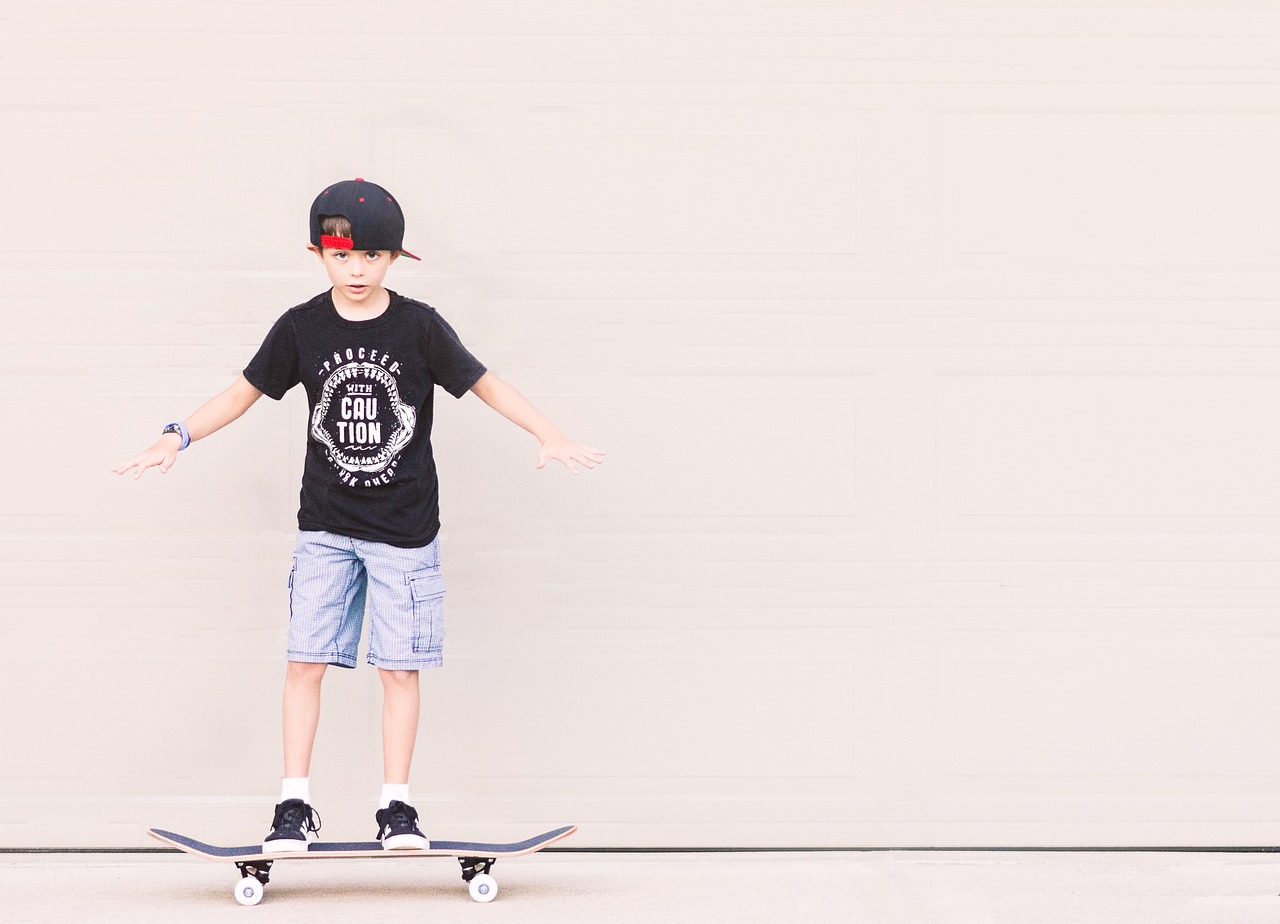

The History of Skateboarding: A Kid-Friendly Overview
Skateboarding is a popular sport that has evolved significantly since its inception. It began in the late 1940s and early 1950s, when surfers in California wanted to surf the streets when the ocean was flat. They created wooden boards with wheels, which they called “sidewalk surfboards.” These early boards aimed to replicate surfing on land and allowed kids to enjoy a new form of fun and adventure. The first skateboard designs were quite rudimentary, resembling wooden planks with roller skate wheels attached, yet they quickly gained popularity among youth. Over the years, skateboarding transformed from a simple pastime into a cultural phenomenon, bringing together kids from various backgrounds. More than just a sport, skateboarding became a way to express creativity through tricks and style. It eventually gave rise to a vibrant culture, influencing fashion, music, and art. Indoor skate parks began to emerge in the 1970s to accommodate the growing community of skaters. These parks provided a safe space for kids to practice and perform tricks, helping shape the sport’s trajectory and future generations of skaters.
Throughout the 1960s and 1970s, skateboarding gained traction and began to attract more attention. Companies began producing skateboards with enhanced designs, featuring wider decks and improved trucks. In 1974, skateboarding competitions started being organized, igniting further interest in the sport. The first skateboard magazine, Skateboarder, was launched, showcasing influential skaters and their tricks. Popular skaters like Tony Alva and Jay Adams emerged, becoming icons of the skateboarding world. As skateboarding continued to grow, so did the variety of tricks, from ollies to kickflips. In the 1980s, the sport further evolved with the introduction of ramps and vertical skating, allowing skaters to perform exhilarating aerial tricks. This innovative era gave rise to classic skateboarding films, inspiring countless kids to pick up skateboards. Skateboarding began to take its place as a legitimate competitive sport, attracting sponsorships and media coverage. Many pro skaters began their careers in local competitions, eventually gaining worldwide recognition. This shift helped legitimize skateboarding, transitioning it from a simple hobby into a professional sport recognized around the globe.
The Pop Culture Impact of Skateboarding
Skateboarding has had a significant impact on pop culture and youth identity. In the 1980s and 1990s, the sport became intertwined with music genres like punk rock and hip-hop. Skateboarding culture started influencing fashion, leading to a new wave of clothing styles. Baggy pants, graphic tees, and snapback hats became popular specialized fashion associated with skateboarding. Movies and television shows began to incorporate skateboarding themes, significantly enhancing its appeal. Films such as Back to the Future featured skateboarding scenes that captivated young audiences. Even video games, like Tony Hawk’s Pro Skater, introduced skateboarding to a wider audience while showcasing different tricks and customizations. Skateboarding’s influence on music and fashion established a youth subculture that embraced individuality and creativity. Brands focused on skateboard culture began to thrive, leading to sleek designs and innovative technology in skateboards and equipment. Clubs and groups formed to promote the sport among kids, encouraging more participation. The growing acceptance of skateboarding paved the way for skate events and festivals tailored for youth, enriching local communities through engagement in sports and activities.
As skateboarding gained popularity, various organizations arose to support its development among kids. Skate parks were constructed in numerous neighborhoods, providing safe spaces for young skaters to practice and learn. These parks became gathering spots for young people, where they made friends, developed skills, and shared experiences. Numerous skateboarding competitions began targeting youths, fostering a love for the sport within new generations. Events like the X Games helped showcase young talent, further igniting interest in skate culture. Many kids found heroes in iconic skateboarders, who often championed the sport’s core values of creativity and perseverance. The emergence of social media platforms allowed skateboarding to reach kids who may not have access to skate parks. YouTube and Instagram became popular spaces to share skateboarding videos, inspiring young skaters everywhere to showcase their skills. Captivating footage of daring tricks and adventures encouraged kids to take up skateboarding and explore their creativity. The sport’s evolution continues, engaging kids and appealing to their sense of freedom and expression. This influence remains strong, ensuring skateboarding will carry on as a beloved activity for countless children.
Inclusivity in Skateboarding
In recent years, skateboarding has embraced inclusivity, promoting access for everyone. The sport has witnessed the rise of female skaters, breaking stereotypes and redefining the notion of what a skater looks like. Girls and women now find empowering representation in skateboarding, inspiring others to join in. Skateboarding organizations have made efforts to create supportive programs and clinics, specifically inviting young ladies to participate. Additionally, marginalized communities are increasingly participating in skateboarding, guided by programs that aim to promote diversity. Initiatives combine skateboarding lessons with local community support, helping bridge gaps and nurture talent from different backgrounds. Skateboarding not only fosters athleticism but also builds friendships among its participants. These mentoring opportunities continue to elevate young skaters while encouraging acceptance and inclusion. After all, skateboarding is not just a hobby: it brings people together and breaks down barriers. Inclusive skateboarding tackles stereotypes and empowers youth to explore their individuality. The skateboarding community’s efforts contribute to a more supportive environment, promoting unity through passion for the sport. Together, participants pave the way for a brighter future, ensuring that skateboarding is for all kids.
As the sport moves forward, skateboarding’s presence in the Olympics signifies its global impact. Making its Olympic debut at the Tokyo 2020 Games, skateboarding showcased talented young athletes worldwide, captivating even more fans. Kids watching the Olympics saw competitors enjoying their passion for skateboarding while representing their respective countries. This moment in history reinforced that skateboarding is not just for fun but can lead to international recognition and opportunity. Numerous young skaters prepared for the Olympics, demonstrating years of dedication and hard work. Competitions encouraged kids to dream big and aspire to represent their countries through skateboarding. The applause from spectators and support from fellow skaters highlighted the vibrant community that continues to thrive. History has shown that skateboarding can unite people through shared love for the sport. As more young individuals engage in skateboarding, it is essential to maintain an inclusive and supportive environment. Encouraging participation for both seasoned and aspiring skaters enhances the sport’s future. Sharing experiences fosters an atmosphere where creativity can flourish, ensuring skateboarding’s continued growth, connection, and enjoyment among kids for years to come.
Conclusion: The Future of Skateboarding
Skateboarding’s evolution illustrates its resilience and adaptability. From humble beginnings as a simple pastime to a globally recognized sport, it has left an indelible mark on countless youths’ lives. The passion surrounding skateboarding drives its culture and inspires future generations. As skateboarding continues to evolve, new trends may emerge, including advancements in skateboard technology and creative styles. Furthermore, the importance of mentorship will remain vital in nurturing young talent. Experienced skaters have the opportunity to guide new generations, passing down knowledge while fostering camaraderie. More communities will likely develop education programs to engage kids, ensuring skateboarding stays accessible and inclusive. The fusion of skateboarding with technology offers exciting possibilities, encouraging creativity and expression. Many kids will fuse skateboarding with digital platforms to share and connect with others. Moreover, events and competitions will likely draw even larger crowds, expanding skateboarding’s reach. As such, the sport is poised for a bright future shaped by limitless possibilities. Kids today will undoubtedly carry forth skateboarding’s legacy, ensuring that every child has the chance to experience the joy it brings.
In conclusion, skateboarding remains a beloved activity for generations of kids, offering a unique blend of physical activity and self-expression. Its rich history is a testament to its significance in shaping youth culture, promoting creativity and the values that come with it. As skateboarding continues to grow and evolve, its inclusivity will pave the way for even more kids to discover their passion. Constant innovation and community support will ensure skateboarding remains a dynamic and engaging sport for future generations. Whether its history is celebrated through competitions, events, or mentorship programs, the sport’s influence will only continue to flourish. Skateboarding has proven to be not just an activity but a culture that embodies joy, determination, and friendship. Participating in skating can provide kids with essential life skills and moments that will last a lifetime. Through skateboarding, kids can gain confidence while making friends and learning valuable lessons about perseverance. Ultimately, the journey of skateboarding captures the hearts of everyone involved, creating lasting memories and connections. As we look to the future, the possibilities are limitless for kids who choose to embrace the skateboard lifestyle.