
Essential Gear for Endurance Training Beginners
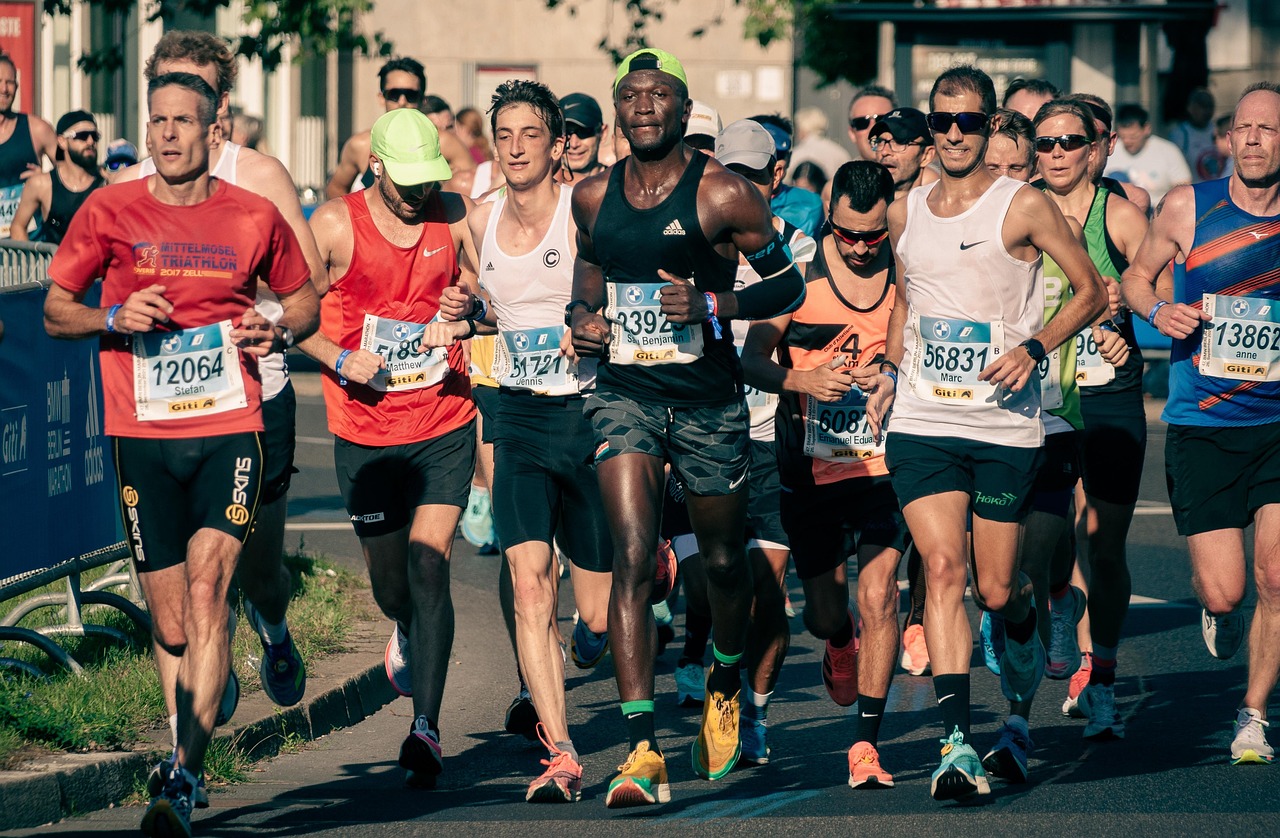
Embarking on your endurance training journey requires the right gear to ensure comfort and performance. Essential items include running shoes, which provide vital support and cushioning for your feet. Investing in a quality pair tailored for your specific foot type can significantly affect your training. Along with shoes, breathable clothing is also crucial, as it helps regulate body temperature and wicks moisture away from the skin. Look for fabrics like polyester or merino wool that offer excellent moisture management. Cold weather or rainy conditions might necessitate additional layers, including a lightweight, waterproof jacket. Hydration is equally critical; therefore, a reusable water bottle or hydration pack can help you stay hydrated during long workouts, preventing fatigue. Don’t overlook accessories like a fitness tracker or smartwatch to monitor your heart rate, distance, and overall performance. These gadgets can be motivational tools. Headphones designed for physical activity can enhance your workout experience with music. Remember, the right gear not only improves performance but also makes training enjoyable, reducing the injury risk as you build endurance.
Your next consideration should be appropriate nutrition for endurance training. Ingesting sufficient carbohydrates before your workout fuels your energy levels and extends your performance time. Foods like bananas, oatmeal, or energy gels are excellent choices. Post-training nutrition is equally important; consuming protein aids in muscle recovery and rebuilding. Options such as protein shakes or chicken salad work well. Adequate hydration should complement your nutritional strategy; ensure you’re replenishing fluids lost during training. You might consider electrolyte drinks if your sessions are particularly long or intense. Investigate whether your body needs supplements, like vitamins or specific minerals, to facilitate recovery and support athletic performance. Consulting a nutritionist or sports dietitian can provide tailored advice that fine-tunes your diet according to your goals. Be mindful that nutrition isn’t a one-size-fits-all aspect; each individual’s needs can differ significantly based on age, weight, and workout intensity. Keeping a food diary can help track your meals and hydration levels, ensuring you meet dietary requirements. Proper nutrition and hydration form the backbone of a successful endurance training regimen.
Importance of the Right Footwear
When it comes to endurance training, the right footwear is fundamental. Choosing shoes that fit properly can significantly enhance comfort and reduce the likelihood of injuries. First, assess your foot type — are you flat-footed, neutral, or high-arched? This assessment helps in selecting shoes designed for your unique gait pattern. Visiting a specialty running store can provide insights, as they often have staff skilled in evaluating your foot mechanics. Testing shoes for fit is crucial—ensure there’s enough room at the toe box, and that they’re snug without being constrictive. Trying shoes with the socks you’ll wear during training is advisable. Many runners overlook the importance of replacing shoes: after approximately 300-500 miles, shoes lose their shock-absorbing capabilities, leading to injury risks. Keep track of mileage and replace them proactively. Additionally, ensure that you break in new shoes gradually to avoid blisters or discomfort during your longer training sessions. Taking care of this foundational piece of gear sets you on a path toward effective and enjoyable endurance training.
The role of clothing in endurance training cannot be ignored either; investing in the right apparel can enhance your performance significantly. Opt for moisture-wicking clothes that draw sweat away from your skin and help regulate your body temperature. Look for shirts, shorts, or tights made from synthetic materials or blends that offer comfort and flexibility during your workouts. A properly fitting sports bra is essential for women, reducing discomfort and providing necessary support. Experimenting with different lengths and materials can help you find what feels best for you. When training in cooler weather, layering is key to maintaining warmth while ensuring breathability to avoid overheating. Lightweight long sleeves or tights can significantly improve your comfort level during the cold months. Accessories like hats or visors protect you from the sun, while compression gear can provide muscle support during longer runs. Remember, comfort is paramount; if your gear distracts rather than supports you, it can detract from your experience. Hence, invest wisely in quality clothing to enhance your overall endurance training sessions.
The Necessity of Tracking Progress
Accountability and tracking progress are vital components in your endurance training journey. Utilizing a fitness tracker or smartwatch can help you monitor significant metrics like distance, pace, and heart rate during each workout. By regularly reviewing your data, you can identify patterns in performance trends and discern how your training intensity is developing over time. Many athletes find this information invaluable as it allows for adjustments to their training plans. For instance, if you’re consistently reaching your target distance, it might be time to increase your weekly mileage or intensity. Having these metrics at your fingertips does more than just lend insight; it also serves as motivation. Seeing improvements, no matter how small, can motivate you to stick with your regimen. Adding a workout log can further enhance this accountability by fostering a sense of accomplishment as you visually track your journey. Joining training groups or using social media platforms to share progress can also build community support. Collaborating with others pursuing similar goals keeps the experience engaging and inspiring, significantly boosting your endurance training efforts.
Furthermore, consider the psychological aspects of endurance training gear; having the right tools can greatly enhance your mental focus. Wearing stylish and comfortable gear can elevate your confidence, encouraging you to engage more energetically in your workouts. Sometimes, investing in new gear can enhance your motivation to stick with your routine. The mind-body connection is integral in endurance training—your mental state can impact your physical performance. When equipped with the right gadgets, such as smartwatches that track sleep and recovery, you foster a holistic approach to wellness that encompasses body, mind, and spirit. Meditative practices or visualization techniques can complement physical training, preparing your mindset for long-distance challenges. Engaging with podcasts on endurance training tips or joining forums can make you feel part of a broader community, reducing feelings of isolation. Setting clear and achievable goals, backed by your dependable gear, can propel your journey in endurance training. Ultimately, the psychology behind your gear involves finding motivation, focus, and support, all of which play a pivotal role in becoming an effective and committed endurance athlete.
Conclusion on Essential Gear for Beginners
Ultimately, selecting essential gear for endurance training sets the stage for your overall success and enjoyment in this athletic pursuit. It’s about establishing a foundation that promotes comfort, safety, and motivation as you train. The process of finding the right shoes, clothing, and hydration options can be gratifying since it empowers you to personalize your journey. While high-quality gear often comes with a price tag, consider it an investment in your health and performance. Avoid the temptation to cut corners; ultimately, the wrong equipment can lead to injuries and discourage participation. A focused approach to gear selection ensures that you are equipped to handle the challenges of endurance training. Enhance price-value by researching online reviews and seeking recommendations from experienced athletes. Finally, maintaining a positive attitude and embracing the learning curve is essential in your journey. As you progress and improve, you’ll find that your investment pays dividends in both enjoyment and results. Preparedness with the right tools will help you tackle every challenge and enjoyment associated with endurance training effectively.
In summary, finding the right gear is not just a matter of convenience; it is an integral part of a successful endurance training strategy. As you embark on your journey, remember that quality gear will ultimately lead you to both enjoyment and optimal performance. Making informed choices about your equipment can foster a rewarding relationship with endurance training, while continuous learning and adaptation will serve you well in the long run. Your path begins with gearing up; investing in proven tools maximizes your potential and inspires you to achieve remarkable and life-changing results in your fitness endeavors. Lastly, remember that every beginner’s journey is unique; embrace yours and set yourself up for success one step at a time. Enjoy the entire process, and soon you will be part of a vibrant community of endurance enthusiasts.