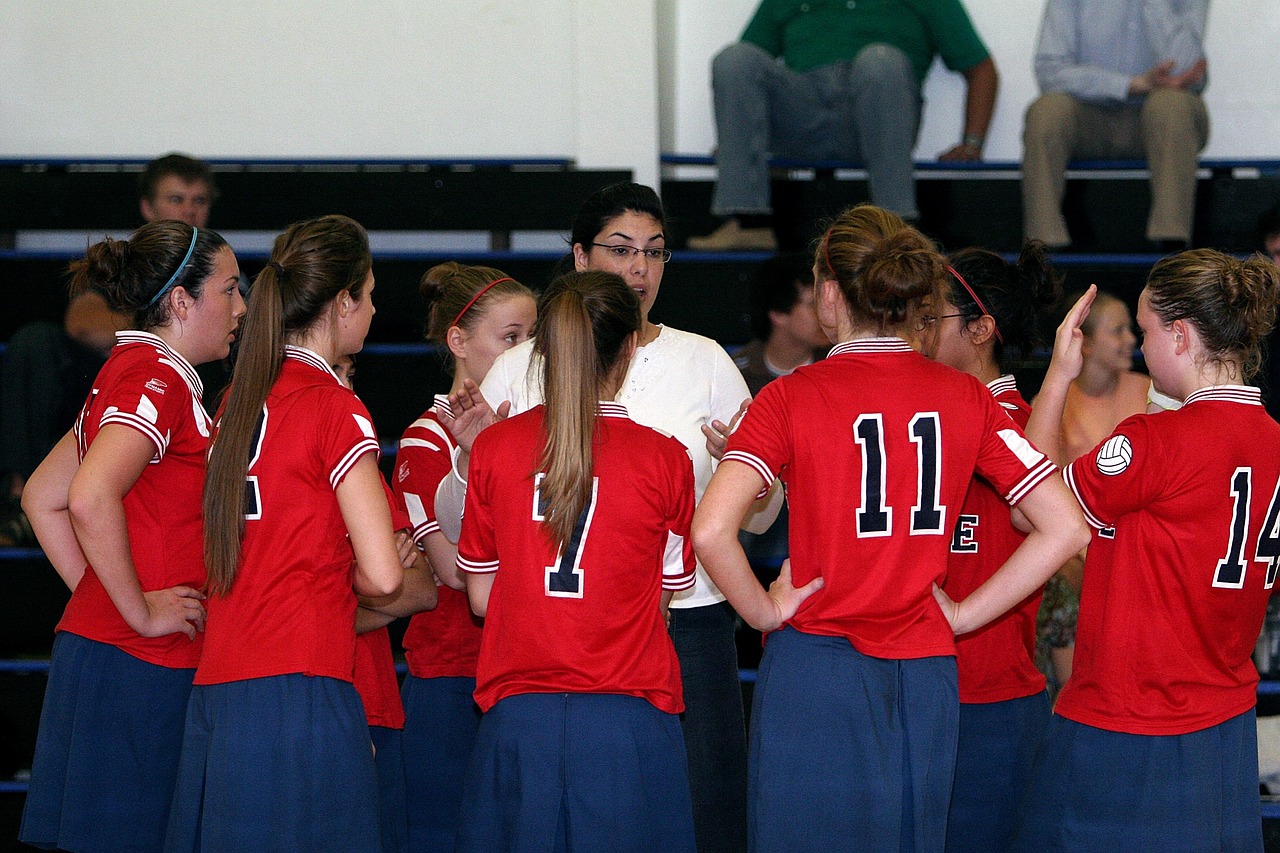

Effective Communication Drills for Professional Volleyball Teams
Communication is a vital element in volleyball, ensuring players are on the same page during high-stakes matches. To enhance this crucial skill, teams can implement effective communication drills that focus on verbal and non-verbal cues. A structured practice session should include a variety of drills targeting different aspects of communication. For example, teams might engage in partnered passing drills, where players must verbally call out the name of the passer before receiving the ball. This promotes vocal assertiveness and helps improve decision-making under pressure. Non-verbal signals can be practiced through coordinated movements during scrimmage games, where players showcase their understanding through hand signals or eye contact. Additionally, incorporating feedback sessions post-drill can reinforce learning and emphasize areas that require improvement. A culture of open communication will encourage players to express concerns or suggest strategies. Ultimately, investing time in such communication drills can result in improved chemistry among players, leading to better in-game performances. Regularly integrating these drills into your training regimen can empower your team to compete at higher levels. Consider measuring success through game simulations to observe the effectiveness of the drills in real-time situations.
Another significant benefit of communication drills is that they promote team cohesion. When players engage in regular communication-focused activities, they develop a deeper understanding and connection with one another. Fostering an environment of trust and respect makes it easier for athletes to express themselves. Additionally, incorporating team-building exercises can complement communication drills, as they facilitate bonding among players. Activities such as trust falls or paired exercises can create a safe space for teammates to explore their vulnerabilities. This camaraderie translates onto the court, where players feel secure in their relationships. For example, during high-pressure scenarios in matches, players who communicate effectively are more likely to adapt and strategize quickly. Moreover, integrating competition through team communication challenges can increase engagement. By establishing unique cues or codes during drills, teams can experience a fun rivalry. These challenges can be as simple as timing each team’s success rate or tracking error reduction. Recognizing achievements fosters motivation, rewarding players for improving both their skills and communication. Thus, using these drills not only aids in skill development but cultivates a united team dynamic vital in professional volleyball settings.
Moreover, video analysis plays an integral role in refining communication among professional volleyball players. Coaches can utilize recordings of practice sessions to provide genuine feedback on players’ verbal interactions during drills. This allows athletes to visualize their communicative behaviors and identify areas for improvement. In fact, reviewing match footage will expose any communication lapses that may have led to missed plays or point losses. Coaches should encourage their players to engage in self-assessment by filming their own interactions and analyzing their techniques. This can foster a keen awareness of personal communication styles, highlighting strengths and pinpointing weaknesses. Additionally, film sessions can introduce instances of successful communication exemplified by highly skilled teams or athletes during high-intensity matches. Learning from these examples allows players to adapt and innovate their strategies. Furthermore, periodic review of video footage can enhance accountability. Athletes can see firsthand the importance of maintaining consistent communication as well as adherence to established cues. Thus, combining technology with traditional drills presents a comprehensive approach to elevate communication skills within a professional volleyball context.
Developing Leadership Through Communication Drills
Lastly, communication drills also develop leadership skills within a volleyball team, important at all levels of play. Establishing roles during practice sessions can promote accountability and delegation among players. For instance, assigning team captains or specific players to lead certain drills creates an opportunity for them to practice guiding and instructing teammates. This empowers individuals to share their expertise while enhancing overall communication. Establishing clear objectives during drills can help leaders articulate goals effectively. Furthermore, players should practice mentorship through drills that pair experienced athletes with less seasoned players. Through this dynamic, stronger communication channels are formed, as veterans impart knowledge about effective on-court interactions. Leadership training can also be reinforced through peer checks, where teammates validate each other’s communication skills. This promotes a two-way interaction model, ensuring every player’s voice is valued. Coaches should encourage players to provide input about practice drills and their effectiveness. By incorporating team feedback into training sessions, teams will foster an inclusive environment, whereby everyone feels they can contribute positively. As a result, not only can productive communication enhance team performance, but it nurtures future leaders ready to step up.
Practicing in various dynamic environments can further elevate communication skills within the team. Incorporating drills that simulate game-like scenarios, for example, can prepare players to communicate effectively under pressure. Situational drills can encourage quick thinking, enhancing alertness to verbal cues in the midst of challenging circumstances. A drill utilizing a cut-off play during scrimmage can require immediate communication between passers and receivers to transition successfully. Moreover, integrating drills that mimic opponent formations provides valuable insights into preparing players’ communicative strategies against varying styles of play. Partnering athletes with rotating roles will broaden their skills while understanding how to communicate effectively in different game contexts. Additionally, fostering a competitive atmosphere during drills can further amplify engagement and motivation. Teams can initiate contest-style drills, focusing on swift and accurate communication. The combination of urgency and competition often leads to heightened communication proficiency. Coaches should also recognize the role of positive reinforcement during practice to build confidence. Emphasizing improvement and encouraging expressions of ideas will enhance players’ willingness to communicate. Drill adaptations formed around competition nurture both skill development and effective practices.
Measuring Progress in Communication
Finally, measuring progress in communication skills can significantly reinforce the value of the drills practiced. By utilizing performance metrics during training, coaches can evaluate improvements in both individual and team communication. Establishing benchmarks, such as increased successful plays resulting from effective communication, can provide tangible assessments of their hard work. Furthermore, peer evaluations should be encouraged, creating a culture of constructive criticism. When players assess their peers’ communication skills, they can recognize areas for personal growth and improvement. Attaining an open conversation about feedback generates a safe space for players to express discomfort or misunderstandings openly. Setting communication improvement goals is also beneficial, where teams can define clear objectives to work towards. Holding players accountable for self-assessing their progress offers an additional layer of self-awareness. Regular check-ins on verbal and non-verbal communication effectiveness can indicate the team’s successful adaptation of the drills practiced. Establishing rewards or recognition for milestones met can motivate players to strive for effective communication. This consistent focus on measuring progress transforms drills into powerful tools for enhancing both individual and collective communication capabilities.
In conclusion, effective communication drills are fundamental to the success of professional volleyball teams. Investing time in diverse drills enables athletes to sharpen interpersonal skills while building high-performing partnerships. Both verbal and non-verbal communication should be integrated into practice strategies for optimal results. Coaches play a critical role by utilizing technology, adapting drills for varied scenarios, and creating a safe environment for open dialogue. Establishing goals and metrics allows for measurable progress, ensuring players stay motivated and accountable. The development of leadership attributes further enriches the communication experience, fostering a culture of collaboration and innovative thinking. Adapting exercises to embrace game realities instills resilience among players, equipping them to thrive under competitive intensity. Moreover, continuing the cycle of feedback and encouragement reinforces confidence, ultimately empowering teams with the tools to navigate complex dynamics both in practice and during matches. Integrating these practices into regular training can provide a competitive edge, leading to improved performances and success on and off the court. Professional volleyball thrives on crystal-clear communication, and prioritizing these drills will yield rewarding benefits for all involved. Consequently, an unwavering commitment to communication will build pathways to victories and growth as athletes navigate their journeys.
Ultimately, the investment in communication skills will cultivate a legacy of excellence that transcends into functional teamwork. As players excel in these drills, they become equipped to handle the myriad challenges that a professional volleyball career entails. Therefore, the integration of communication-focused practices within workout regimens differentiates standout teams from those who falter. Consistency, creativity, and an inclusive environment will ensure that every player has the opportunity to become an effective communicator and a valuable team member. This approach not only grows individual capabilities but fosters unity and resilience among teammates, vital components in any high-stakes endeavor. Conclusively, the commitment to fostering an explicit communication culture will develop a robust competitive atmosphere. Coaches and players alike must prioritize ongoing learning, adapting, and evolving communication methods that enhance team performance. The advancements achieved in communication will undoubtedly reflect in the quality of player interactions in matches, ultimately securing a successful trajectory for professional volleyball teams everywhere. Regularly revisiting and innovating these drills will secure a progressive advantage, keeping teams ahead of the curve in communicative strategies. As a collaborative effort, improving communication skills leads to lasting development and exceptional achievements on and off the volleyball court.