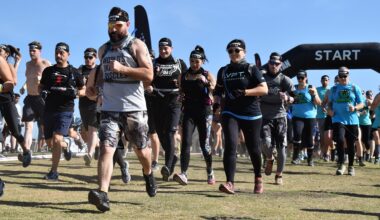

Understanding the Competitive Landscape
CrossFit competitions have grown significantly in recent years, attracting athletes from various fitness backgrounds. The competitive landscape includes local, regional, and national events, culminating in high-profile competitions such as the CrossFit Games. For athletes, understanding the rules, workout formats, and judging criteria is essential. Competitors must focus not only on their strengths but also on weaknesses, and they can benefit from participating in smaller competitions to gain valuable experience. Observing seasoned athletes and analyzing their strategies can provide fresh insights that help refine training methodologies. Additionally, connecting with local CrossFit communities fosters a sense of camaraderie and motivates competitors to push harder. Remember, preparation for competition is multifaceted; it involves choosing the right nutrition plan, tailoring training sessions, and ensuring adequate recovery time. Athletes should prioritize practicing movements and workouts that are likely to appear in competitions, which will enhance performance during actual events. Finally, staying updated with changes in programming and competition standards ensures athletes remain competitive in this rapidly evolving sport.
Adapting Training Phases
For a successful CrossFit competition season, adapting training phases is crucial. This involves structuring workouts according to three primary phases: building, peaking, and tapering. During the building phase, focus on increasing strength and endurance across various modalities. Athletes should incorporate diverse workout styles, emphasizing Olympic lifts, gymnastics, and conditioning. In the peaking phase, intensity increases, concentrating on simulating competition environments. This includes performing workouts with a high intensity and higher volume, allowing for specific skill development. It’s vital to incorporate rest periods to ensure recovery while training hard. Finally, the tapering phase allows athletes to rest and recover before competition days. Decreasing workout volume and intensity while maintaining a focus on technique will help ensure optimal performance. A well-planned taper helps in maximizing energy levels and sharpening skills. Alongside these phases, athletes should maintain flexibility training to prevent injuries and improve mobility. Applying these strategic phases can enhance overall performance and ensure that athletes peak at the right moment during the competitive season.
Nutrition and Hydration Strategies
The significance of nutrition and hydration in CrossFit competitions cannot be underestimated. Proper fueling strategies necessitate a balanced intake of macronutrients—carbohydrates, proteins, and fats. During the competitive season, athletes must fine-tune their meals, focusing on nutrient timing. Pre-workout meals should consist of easily digestible carbohydrates, providing energy without causing discomfort. Post-workout, a combination of protein and carbohydrates facilitates muscle recovery and replenishes glycogen stores. Hydration also plays a pivotal role in athletic performance. Athletes should continually monitor fluid intake, as dehydration can adversely affect strength and stamina. Consuming electrolytes before, during, and after workouts can help manage fluid balance and prevent cramping. Individual dietary needs vary, so personalizing nutrition strategies is important as well. Many athletes benefit from consulting a sports nutritionist to develop a tailored meal plan that aligns with their goals. An extensive understanding of one’s own nutritional requirements throughout training and competitions enhances overall performance and results.
Assessing Recovery Practices
Recovery practices are integral to an athlete’s performance in CrossFit competitions. Ample recovery time allows the body to heal, rejuvenate, and prepare for the next intense workout. This involves rest, active recovery, and proper sleep management. Engaging in low-intensity activities like yoga or light swimming can promote blood flow and help alleviate muscle soreness. Additionally, foam rolling and massage therapies are essential to managing tight muscles and preventing injuries. Athletes should strive to get quality sleep, as it is during this time the body repairs itself. Implementing recovery routines such as stretching or mobility exercises aids in maintaining flexibility and reduces injury risks. Ensuring proper nutrition also plays a role in recovery, making it necessary to consume post-workout snacks abundantly rich in nutrients. Utilizing evidence from recovery trends in sports science can inform more effective recovery practices, helping competitors remain competitive and healthy. Ultimately, prioritizing recovery not only establishes a solid foundation for future training but also enhances performance during critical events in the competitive season.
Mental Preparation Techniques
Mental preparation is often an overlooked aspect of training for competitive CrossFit. Athletes must cultivate mental resilience through various techniques that enhance focus and reduce anxiety. Visualization exercises are particularly effective; athletes can mentally rehearse specific workouts and imagine themselves performing at their peak. This method conditions the mind for success, making it more familiar during actual competitions. Mindfulness practices such as meditation help maintain calmness and center attention, aiding in managing pre-competition jitters. Establishing specific goals throughout training and competition phases can also help athletes maintain motivation and direction. Competitors should develop techniques for handling pressure during workouts, such as using positive self-talk or employing breathing techniques. Engaging in consistent reflection after workouts can help identify strengths and areas for improvement, ultimately enhancing performance. Coaches can play a critical role in guiding athletes through mental preparation processes, sharing strategies that have been successful for other competitors. An athlete well-prepared mentally will handle competitions with confidence and poise, setting the stage for outstanding performances.
Utilizing Coaching Feedback
Coaching feedback is pivotal in refining an athlete’s training process and enhancing performance in CrossFit competitions. Athletes should cultivate open lines of communication with their coaches, encouraging constructive criticism and regular discussions regarding progress. Feedback aids in identifying technical flaws, optimizing workout strategies, and developing personalized approaches to lifting and movements. Athletes can benefit from video analysis, enabling them to review performances and visualize areas in need of improvement. Engaging in regular check-ins about goals and setting benchmarks is essential to maintain focus on competition preparation. Coaches can also share insights about competition strategies that athletes may not recognize independently. By taking advantage of coaching expertise, athletes can unlock their full potential and make informed adjustments in their training routines. A strong coach-athlete relationship fosters a supportive atmosphere that enhances growth in skill and confidence. Furthermore, attending coaching seminars or workshops can deepen athletes’ understanding of methodologies, further improving training effectiveness. Emphasizing the significance of coaching feedback will ultimately create a seamless pathway to achieving competitive CrossFit success.
Embracing Community Support
Finally, embracing community support is paramount for athletes involved in competitive CrossFit. The communal atmosphere found in CrossFit gyms serves as motivation and encouragement, particularly during challenging training routines. Competing alongside peers fosters camaraderie, creates bonds, and builds a sense of unity among athletes working towards similar goals. Community events, such as local competitions or charity workouts, provide opportunities for athletes to engage, build networks, and share experiences. Encouraging and participating in group workouts allows for shared insights and enhanced accountability. Friends and family also play significant roles in providing moral and emotional support, particularly during competitions. Connecting with mentors or seasoned athletes can provide valuable guidance through their own experiences. Organizing group training sessions enhances this sense of community, allowing for collective motivation in pushing each other to new heights. Remaining active within the community provides comfort through shared victories and challenges alike. Ultimately, nurturing these relationships ensures athletes remain focused and enthusiastic during their training journey leading up to competitions.
Conclusion: Preparing for Success
Success in CrossFit competitions hinges on a multifaceted approach to training, nutrition, and mental preparation. Athletes must devise comprehensive training plans that incorporate focused phases, dedicate time to recovery, and consistently fuel their bodies with adequate nutrition. Emphasizing the importance of mental resilience and community support cannot be overstated, as these elements shape not only performance but also the overall experience of competing. Athletes should remain adaptable, willing to learn from coaching feedback and adjusting strategies based on individual progress. By remaining engaged with the larger CrossFit community, individuals can find motivation and inspiration. The journey towards competition success is filled with challenges, but resilience and strategic planning can yield impressive results. Ultimately, as athletes prepare for upcoming competitions, their commitment to training becomes a testament to their passion for the sport and their will to succeed. The resilience built through this preparation not only enhances performance but also contributes to personal growth and connection with like-minded individuals. Entering competition with clarity, purpose, and community support can provide the foundation for a rewarding CrossFit experience.