
The Evolution of Classic Physique Competitions: A Historical Overview
Classic Physique competitions have provided a unique platform for athletes who strive for aesthetic appeal and muscular symmetry. Originating in the mid-20th century, these competitions aimed to celebrate the human form while distancing themselves from the overly muscular aesthetic of its counterparts. Initially, they were informal contests focusing on balanced physiques akin to classical sculptures. The rise of Arnold Schwarzenegger and his emphasis on proportions greatly influenced the Classic Physique movement. With a focus on classic bodybuilders such as Frank Zane, individuals began to appreciate the beauty of muscle shape and definition rather than sheer size. Over time, federations recognized the potential for this category to engage an audience seeking artistry over brute strength. The popularity of classic physiques led to more specific criteria and structured events focusing on appearance and presentation skills. Health and fitness enthusiasts admired this development, as it encouraged many to pursue strength-building holistically instead of obsessing over becoming excessively muscular. As the evolution progressed, numerous rules emerged to refine this category, ensuring it maintained both integrity and appeal. Today, iconic athletes uphold its values, advocating for a balanced approach to bodybuilding that mirrors classic ideals.
With the growth of Classic Physique competitions, several milestones have marked its progress within the fitness industry. Initially overshadowed by mainstream bodybuilding, the category gained traction through key tournaments and events that showcased emerging champions. This growth led to significant competition platforms like the Mr. Olympia, which introduced a Classic Physique category in 2016. This inclusion was a turning point, as it legitimized the category within the highest echelons of bodybuilding, attracting top-level competitors and sponsors. The response from the bodybuilding community was overwhelmingly positive, leading to increased attendance and viewership for these events. Recognized athletes began embracing the Classic Physique title with pride, as it symbolized more than just muscularity—it represented an aesthetic philosophy rooted in health and balance. Social media also played a crucial role in bridging the gap between Classic Physique and fitness fans. With platforms like Instagram and YouTube, athletes could market themselves while sharing training routines, diet tips, and competition preparation strategies. This engagement created a dedicated community of followers who celebrated not only the physiques but the dedication and effort behind building them. The impact of these platforms can’t be overlooked in redefining Classic Physique competition culture.
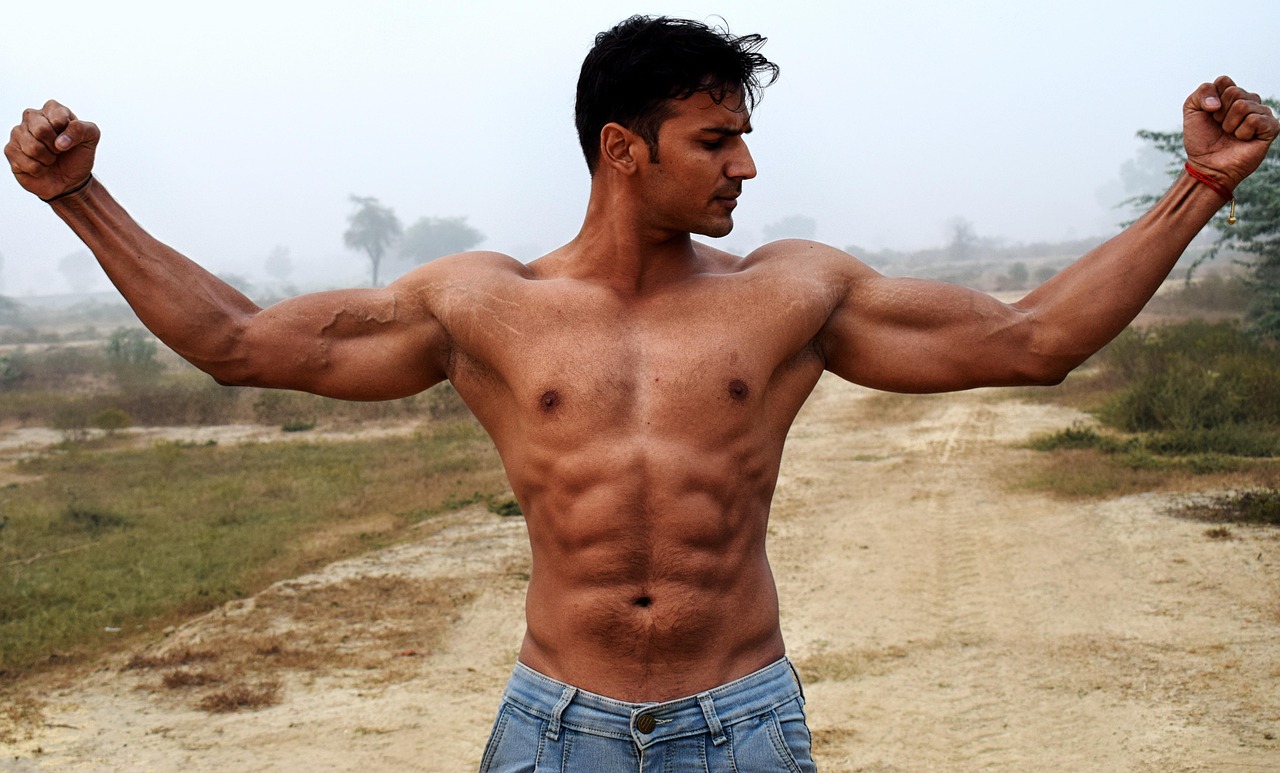
As Classic Physique competitions grew in popularity, so too did the standards and expectations from competitors. Judging became more refined, focusing on aspects like symmetry, aesthetics, and presentation. To excel, athletes needed to embody the iconic look associated with classic bodybuilders, characterized by a balanced proportion that emphasizes a V-tapered torso and well-defined musculature. Judges began to rate competitors on a stricter scale, evaluating them on their stage presence and ability to showcase their physiques effectively. This led competitors to pursue specific training and posing styles that highlighted these qualities. Dieting strategies transformed as well, with athletes implementing nutritional plans designed for achieving peak aesthetic appearance rather than maximal mass. The emphasis on presentation skills also increased; competitors began to understand the theatrical aspect of bodybuilding. Mastering posing routines became essential, as these dramatically impacted their overall scores. Workshops, videos, and guidance from past champions became prevalent to help new competitors refine their skills. Many competitors now engage coaches or mentors to improve in this area, ensuring they can articulate the classic standards required of them while standing confidently on stage.
The Influence of Modern Fitness Trends
Contemporary fitness trends have also influenced Classic Physique competitions in various ways, pushing athletes to adapt while maintaining traditional values. Social media trends often dictate physical appearance aspirations, and competitors want to achieve bodies that resonate with current ideals. Platforms such as TikTok and Instagram showcase diverse aesthetic ideals, leading bodybuilders to adopt various training regimes or diets popular among fitness influencers. Some turn to bodybuilding coaches who integrate modern techniques into classic training methods. This blend creates a more knowledgeable athlete who understands both historical roots and modern advancements, resulting in increasingly skilled bodybuilders. Additionally, the evolution of supplement science has played a role in shaping competitors’ approaches to training and recovery. Athletes seek advice tailored to achieve the balance necessary for success in Classic Physique. Recovery methods such as cryotherapy and advanced nutritional supplements help athletes refine their physiques while minimizing injuries. The awareness surrounding health and sustainability also plays a significant role in modern competitors’ journeys, as many strive to maintain a balanced lifestyle that fits within the rigid frameworks of a bodybuilding competition, enhancing the category’s reputation.
Classic Physique competitions continue to evolve with open dialogue surrounding health and fitness choices, cultivating a richer understanding of athlete well-being. Discussions about body image and mental health have emerged, encouraging competitors to share their journeys through both triumphs and challenges. Social media, which once emphasized only perfect aesthetics, is now creating platforms to address body dysmorphia, eating disorders, and the psychological impacts of competitive bodybuilding. Many athletes are prioritizing mental health workouts, mindful practices, and balanced approaches to their routines, leading to heightened awareness within the community. This advocacy has fostered a supportive network, contributing to an environment where competitors can discuss their mental well-being alongside their physical aspirations. As the fitness competitions evolve, it remains crucial to emphasize holistic health rather than just physical appearance. Competitors are encouraged to create a sustainable balance between their fitness ambitions and overall quality of life. The inspiring stories of athletes who prioritize mental well-being alongside their performance highlight changing perceptions surrounding this classic aesthetic. Through this evolution, Classic Physique continues to charm audiences, affirming the category’s significant positioning within the broader landscape of fitness competitions.
Looking ahead, the future of Classic Physique competitions appears brighter than ever, with emerging contenders ready to carve their legacies while honoring the classic tradition. As more athletes enter the scene, expect innovations in training techniques and nutrition reflective of an evolving fitness culture. The landscape will likely integrate newer methodologies alongside established practices, enhancing training routines and competition strategies. Anticipating advancements in technology, we may also witness wider usage of digital platforms for judging and real-time feedback, leading to a more transparent competitive environment. With the rise of global participation in Classic Physique events, these competitions will help bridge cultural differences while celebrating creativity within bodybuilding. These contests will inspire more youth engagement and the formation of new competitive leagues. It is essential to uphold classic ideals—a commitment to aesthetics, symmetry, and a powerful yet graceful physique. As more individuals realize their potential in such competitions, we can foster a community that cherishes hard work, discipline, and integrity, vital components of the sport. Classic Physique competitions stand as a testament to the enduring appeal of a balanced, aesthetically pleasing body that champions health, strength, and beauty.
Conclusion
In summary, Classic Physique competitions have significantly evolved since their inception, becoming a celebrated category within the fitness world. The journey from informal contests to professional competition platforms reflects a commitment to aesthetic values reminiscent of classical ideals. The influence of iconic athletes, the rise of social media, and modern fitness trends have shaped a rich history that continues to inspire future generations, providing a solid foundation for the category’s growth. As the movement progresses, competitors prioritize mental health while striving for aesthetic goals, fostering an environment of support and acceptance. Innovations in training and nutrition will further evolve the landscape, allowing athletes to reach new heights. With ongoing dedication to maintaining the core principles of Classic Physique and a commitment to well-being, the future holds exciting potential for this vibrant community. We can anticipate rich experiences from emerging athletes revitalizing the aesthetic movement, instilling extraordinary standards for future competitions. Embracing the philosophy behind these competitions allows athletes and fitness enthusiasts to understand the beauty of balance in pursuing health, strength, and classical aesthetics. Classic Physique competitions act as a harbinger, proving that fitness can indeed embody artistry.