
Using Pilates for Injury Rehabilitation
Pilates is a highly effective method for enhancing rehabilitation from various physical injuries. Through a combination of controlled movements and focused breathing, it helps strengthen core muscles, which can be critical during recovery. The principles of Pilates focus on alignment, balance, and flexibility, making it an excellent choice for those on their rehabilitation journey. People recovering from injuries often experience limited mobility and reduced strength, making it crucial to adopt exercises that are low-impact yet effective. Pilates can be tailored to individual needs, allowing practitioners to focus on specific areas requiring improvement. Incorporating Pilates into a rehabilitation program not only promotes physical recovery but also improves mental well-being. Moreover, Pilates encourages mindfulness and body awareness, which are essential for a successful rehabilitation process. Instructors can modify exercises according to each participant’s recovery stage, ensuring that they can practice safely while still challenging themselves. Special care should be taken to maintain appropriate alignment during exercises, as improper form may lead to further injury. In conclusion, Pilates offers a supportive environment to regain strength and flexibility throughout the rehabilitation journey.
Including Pilates in injury rehabilitation programs offers numerous benefits to patients and athletes alike. One of the primary advantages of Pilates is its ability to improve core strength, which is crucial for the stability of the spine and overall body mechanics. A strong core can alleviate pressure on injured areas, thereby facilitating healing. Furthermore, the exercises in Pilates are designed to enhance flexibility, reducing muscle tension and improving range of motion. This aspect is invaluable for individuals recovering from strains or sprains, ensuring that affected muscles regain their elasticity. Additionally, Pilates can help in correcting postural imbalances that may have contributed to the initial injury. Through specific movements focused on proper alignment, it accentuates the importance of maintaining good posture in daily activities. As patients progress in their rehabilitation, they can gradually increase the intensity of Pilates exercises to match their evolving capabilities. With this adaptability, Pilates remains relevant throughout the recovery phases. Also, mind-body awareness built from Pilates can foster patience and encourage a positive mindset during rehabilitation. Overall, Pilates is a holistic approach that addresses physical and mental recovery simultaneously.
Specific Techniques for Rehabilitation
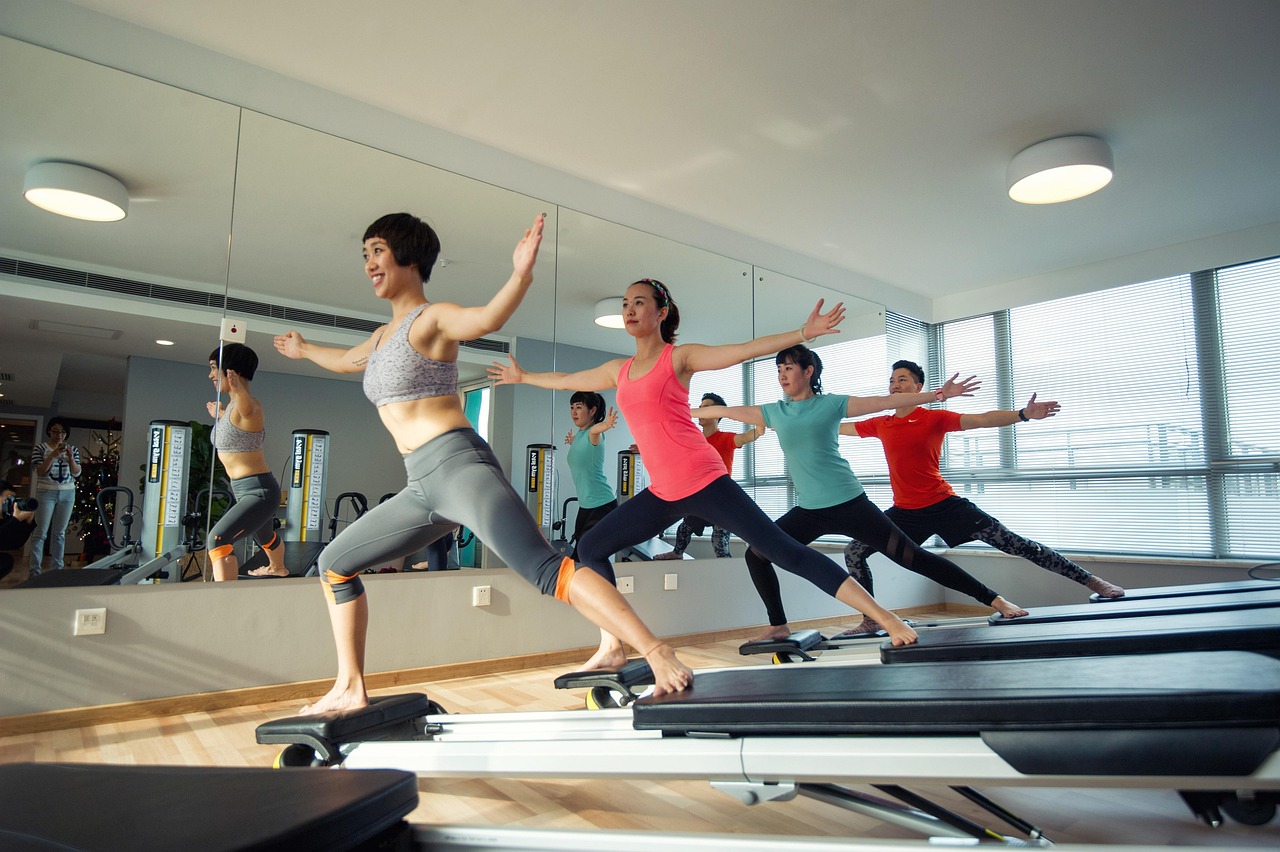
To effectively implement Pilates for rehabilitation, practitioners can utilize a variety of specific techniques and modifications. For instance, the use of props, such as resistance bands and stability balls, allows for customizable exercises that cater to different recovery needs. These props can provide additional support, making it easier for injured individuals to perform movements correctly without strain. Additionally, mat Pilates focuses on exercises performed on the floor that can be adapted to accommodate various injuries. Emphasizing exercises like the bridge, pelvic curl, and modified roll-up can help safely strengthen the core and back muscles. Furthermore, incorporating breathing techniques encourages relaxation and reduces stress during workouts, providing patients with a soothing experience. As individuals advance, transitioning to equipment-based Pilates, like reformers, can further enhance strength and toning. Reformers provide resistance while maintaining safety, ensuring that anyone recovering from an injury can gradually build strength. Instructors play a pivotal role in guiding students, paying attention to individual needs, and making necessary adjustments. Overall, this structured approach fosters a safe environment for recovery while maximizing efficiency and effectiveness in strengthening routines.
Additionally, the role of a qualified Pilates instructor cannot be overstated in the rehabilitation process. A certified instructor with experience in rehabilitative Pilates possesses the knowledge to create safe and effective workouts specifically designed for individuals recovering from injuries. They understand the nuances of various injuries and how to best adapt exercises to prevent aggravation of existing conditions. A thorough assessment of each client’s abilities and limitations is crucial before starting a program. This assessment guides the instructor in developing a personalized plan that addresses the client’s specific rehabilitation needs. Education about body mechanics and injury prevention principles is integral during sessions, empowering individuals to take an active role in their recovery. Instructors focus on teaching clients proper alignment and movement patterns, which can mitigate the risk of future injuries. Regular progress evaluations ensure that clients remain on track and encourage adjustments as needed. This approach not only fosters physical improvement but also instills confidence in clients, making them more likely to adhere to their rehabilitation regime. Consequently, working with a knowledgeable instructor ensures that Pilates remains an effective tool for injury rehabilitation.
Tips for Practicing Pilates Safely
When implementing Pilates into an injury rehabilitation plan, some essential safety tips should be adhered to maximize benefits while minimizing potential risks. First and foremost, always prioritize listening to your body; it’s crucial to recognize any discomfort or pain during exercises. Stop an exercise immediately if it doesn’t feel right, and consult your instructor or therapist for advice. Moreover, beginners should start with a limited range of motion and gradually progress as strength and flexibility improve. Proper warm-up and cool-down sessions should be incorporated into every workout to prevent strain on muscles. Ensuring a supportive environment is vital; practicing on a non-slip mat offers stability and fosters confidence in movements. Always engage the core during exercises to protect the lower back and improve stability. Additionally, individuals should wear comfortable, fitted clothing to allow for a full range of motion. Consistency is essential in rehabilitation, so aim for regular sessions, even if they’re short, as this maintains progress without risking injury. Lastly, joining a group class may provide motivation and encouragement, enhancing your rehabilitation journey through shared experiences.
The overall experience of practicing Pilates for injury rehabilitation can greatly impact the emotional well-being of individuals. The journey often involves navigating feelings of frustration, anxiety, and sometimes defeat due to physical limitations and setbacks. Pilates, however, empowers patients by building confidence and providing a sense of control over their recovery process. As individuals successfully master techniques and achieve milestones, they can foster a positive mindset essential to a peaceful recovery journey. Engaging in mindful movements promotes a strong mind-body connection, which is vital for emotional health. Regular sessions allow individuals to establish a meditative practice, encouraging them to focus on their breathing and movements, fostering a serene mental state. Additionally, support from fellow practitioners can create a sense of community and camaraderie, alleviating feelings of isolation often experienced during recovery. Participation in group classes or workshops can enhance motivation and enhance the enjoyment of the rehabilitation process. Engaging with others who share similar goals provides a sense of belonging and encouragement, significantly boosting emotional resilience. Overall, Pilates can be an effective way to merge physical recovery with emotional well-being, making it a comprehensive rehabilitation solution.
Conclusion: The Holistic Approach
In conclusion, incorporating Pilates into an injury rehabilitation program offers a holistic approach that emphasizes both physical and mental recovery. The tailored nature of Pilates allows for personalized interventions that cater to individual injury types and healing processes. Clients can experience enhanced strength, flexibility, and core stability, all crucial elements in preventing future injuries. The mindful practices integrated into Pilates foster a sense of body awareness and promote emotional resilience. Furthermore, the supportive environment created within Pilates sessions encourages social interaction and a shared sense of purpose among participants. By prioritizing proper alignment and executing specialized exercises, individuals embark on a safe, structured rehabilitation journey. Collaboration with qualified instructors ensures that clients receive guidance tailored to their progress and limitations, minimizing risks connected to rehabilitation. As clients further their skills and confidence, they can reintegrate these techniques into their everyday lives, enhancing their overall well-being. Ultimately, Pilates serves as a powerful tool for those recovering from injuries, enabling them to regain mobility and confidence while positively impacting their mental health.
To support your Pilates rehabilitation journey, consider consulting with a qualified instructor to design a tailored program that meets your specific goals. This professional guidance can significantly enhance your recovery experience.