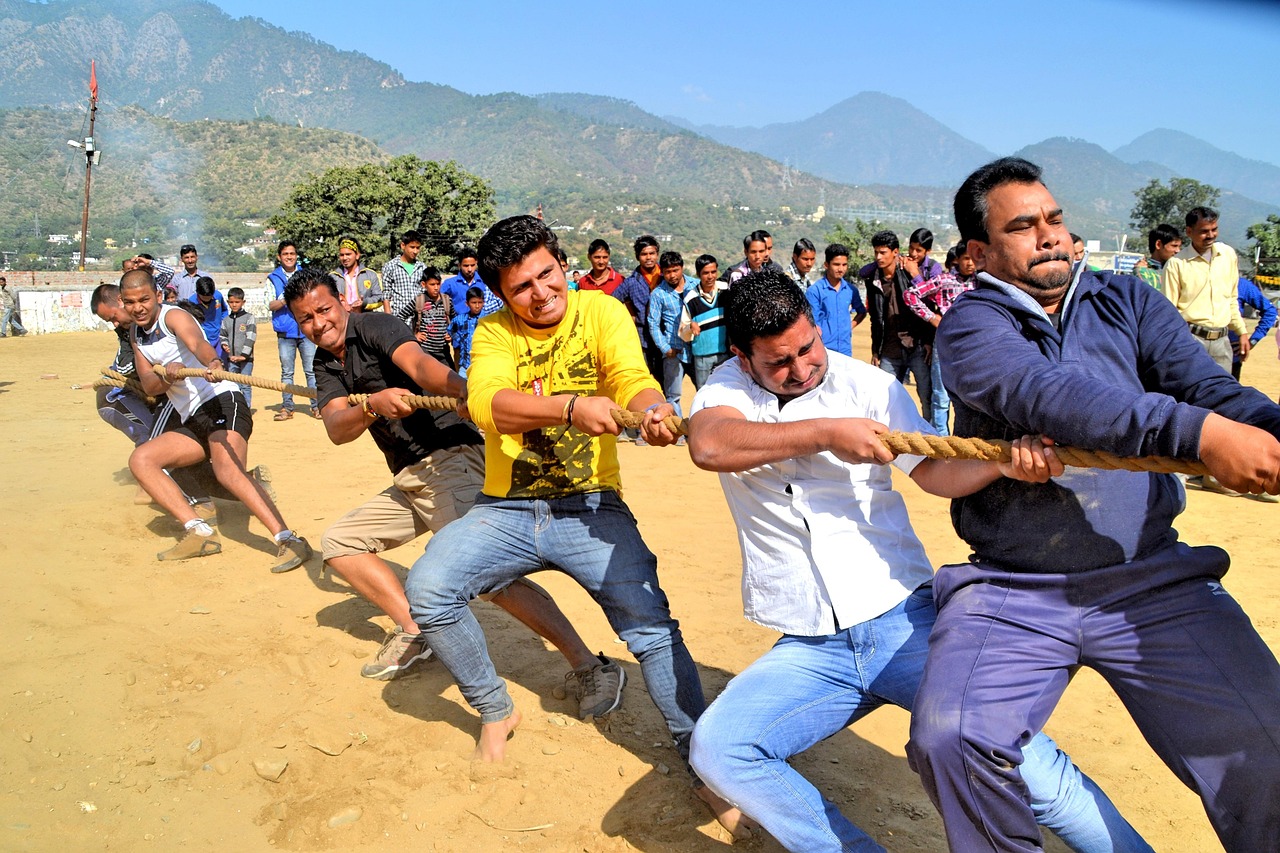

Building Team Spirit Through Tug of War
Tug of War is a classic team sport that works wonders for building team spirit and enhancing group cohesion. It requires teamwork, strategy, and collective strength, making it an excellent choice for team-building events. When participants engage in Tug of War, they not only experience physical exertion but also engage in social interaction that strengthens their bonds. The sport encourages effective communication, as team members need to coordinate their efforts for success. Moreover, it teaches the invaluable lesson of relying on one another, which translates into workplace dynamics. As members pull together, they develop a sense of trust and camaraderie, fostering a supportive environment. Tug of War can easily accommodate groups of varying sizes, which makes it versatile for various settings such as schools, corporate retreats, and sports camps. The sheer excitement and competitiveness of the game serve to uplift spirits, inspiring teams to strive for collective victory. Overall, Tug of War offers a fun platform for promoting unity and teamwork. Participants leave the mat not just sweaty, but enriched by shared experiences that bridge gaps and foster collaborative efforts.
Incorporating Tug of War into team building activities can yield several positive outcomes. As teams prepare for battle, they learn to strategize and analyze their opponents, promoting critical thinking. Participants often engage in discussions on how to position themselves for maximum impact, enhancing their collective decision-making skills. This sport also emphasizes the importance of a well-coordinated effort; each member plays a vital role in the team’s performance. Failing to work together could lead to defeat, reinforcing the reality that every contribution matters. Such dynamics encourage individuals to step up and support their teammates, which cultivates a culture of accountability. Moreover, the physical aspect of the game promotes fitness and overall well-being, adding another layer to its benefits. Many times, Tug of War initiates healthy competition that leads to increased motivation and enthusiasm among members. The thrill of tugging against another group fosters a competitive spirit but also provides a safe space for individuals to showcase their strengths. This combination of camaraderie and energy can strengthen long-lasting relationships among team members.
Key Benefits of Tug of War
One of the essential benefits of Tug of War is its ability to foster communication and interaction among team members. Participants must talk to each other throughout the game to coordinate their efforts effectively. This form of direct communication builds familiarity, breaking down barriers that might exist in more formal settings. When individuals feel comfortable expressing themselves in an engaging atmosphere, it paves the way for more open lines of communication back at the workplace. Additionally, tackling challenges as a group during Tug of War encourages people to push through difficulties together, reinforcing resilience. Participants learn how to face obstacles head-on and support one another during trying times. These collective experiences translate into improved team dynamics, cultivating a more cooperative and motivated workforce. Furthermore, businesses can use Tug of War as a metaphor during training sessions, illustrating the importance of teamwork and shared goals. The shared experience fosters positive feelings and pride, which can enhance team morale long after the rope has been returned to storage.
Another key aspect of Tug of War is the development of leadership skills among participants. In each match, team members naturally assume different roles based on their strengths and personalities. Individuals may recognize potential leaders emerging as some begin to take charge, encouraging teammates during the competition. This provides an excellent opportunity for them to practice delegation and motivation within a real-time scenario. Moreover, leaders who emerge during the game gain valuable experience in guiding others and making tactical decisions. Observing various styles of leadership can also inspire reflection among other team members, as they learn to appreciate diverse approaches to leading. Participants grow from witnessing different dynamics in action, improving their adaptability in various situations. This can ultimately translate to enhanced productivity and effective leadership back at work. As teams engage in Tug of War, they also learn how to cope with losses. Resilience, adaptability, and the ability to bounce back from failure become lifelong skills that participants carry with them beyond the mat.
Preparing for a Tug of War Event
When organizing a Tug of War event, preparations are crucial for ensuring a successful experience for all participants. First, choose an appropriate location that allows ample space for tugging safely. A grassy area or a soft surface can reduce the risk of injury and provide a comfortable experience for all involved. Next, ensure that the rope used for Tug of War is suitable for the number of participants and the intensity of matches planned. Heavy-duty ropes are often recommended to withstand intense pulling without breaking. Training sessions can also help teams build their strategies and experience teamwork before the main event. Additionally, organizers should prepare for participant safety by providing guidelines on proper techniques, warm-up exercises, and first aid measures. To enhance the experience, consider creating friendly competitions with prizes for the top teams. This, in turn, encourages friendly rivalry and adds a layer of excitement to the day. Lastly, capturing moments through photos and videos can serve as a wonderful memory for participants, reminding them of the day spent together in unity.
Establishing rules and guidelines for competition in Tug of War is vital for maintaining safety and fairness during matches. Clearly communicate the rules to participants beforehand to avoid confusion during the competition. For example, define how the game begins, the process of signaling a win, and how to address disputes if necessary. Scheduling rounds and timing matches can also help ensure everyone gets a chance to participate while keeping the event organized. In addition to the competition aspect, teams can engage in informal practices to build their levels of comfort with one another. Develop warm-up routines that include stretches and technique practice, as it can increase performance and reduce the risk of injuries. Emphasize the importance of encouragement and support during matches—teammates should uplift each other regardless of the outcome. After each game, consider having debrief sessions where participants share insights and feedback about their experiences. This reflection can deepen connections and improve team performance in the future, reinforcing the advantages Tug of War brings to building teamwork and a strong community.
Conclusion: The Value of Team Tug of War
In conclusion, Tug of War offers numerous benefits that extend beyond the mat, making it a powerful tool for team building. It fosters communication, develops leadership abilities, and encourages collaboration among participants. Through shared experiences, teams cultivate resilience and accountability, enhancing their overall dynamics. Moreover, the competition aspect provides excitement and motivation, creating a stronger bond among team members. Organizations can leverage this sport during team-building events to help employees grow emotionally, physically, and socially. The skills and values developed through Tug of War can translate into improved workplace dynamics, fostering a culture of unity and support. Furthermore, the versatility of the sport makes it suitable for various settings, accommodating groups of different sizes and ages. Ultimately, Tug of War serves as a simple yet effective way to enhance team spirit and cohesion, providing individuals with lasting memories and friendships formed through collaboration. The joy and excitement generated during a friendly tugging match leave a lasting impact, reinforcing the importance of teamwork in all aspects of life.
Tug of War highlights the fundamental elements of teamwork, strategy, and communication. The strength found within a united team is remarkable, and each experience pulls participants closer together. It captures the essence of collaboration, teaching everyone that together, success is more achievable than when working solo. As equity builds during competitions, participants feel a sense of belonging that can improve overall team morale. Moreover, every game wraps participants in empathy, fortifying relationships, resilience, and trust. Therefore, whether utilized in schools, workplaces, or community events, Tug of War reinforces not just the physical exertion of teamwork but also the underlying value of connections among individuals. To promote or organize your own Tug of War events, consider reaching out to clubs, community centers, or local organizations to find ample resources. Engaging community members can elevate the experience and introduce new participants to this rewarding team sport. As you embrace the spirit of Tug of War, allow it to remind you of teamwork’s effectiveness in overcoming challenges and achieving goals together.