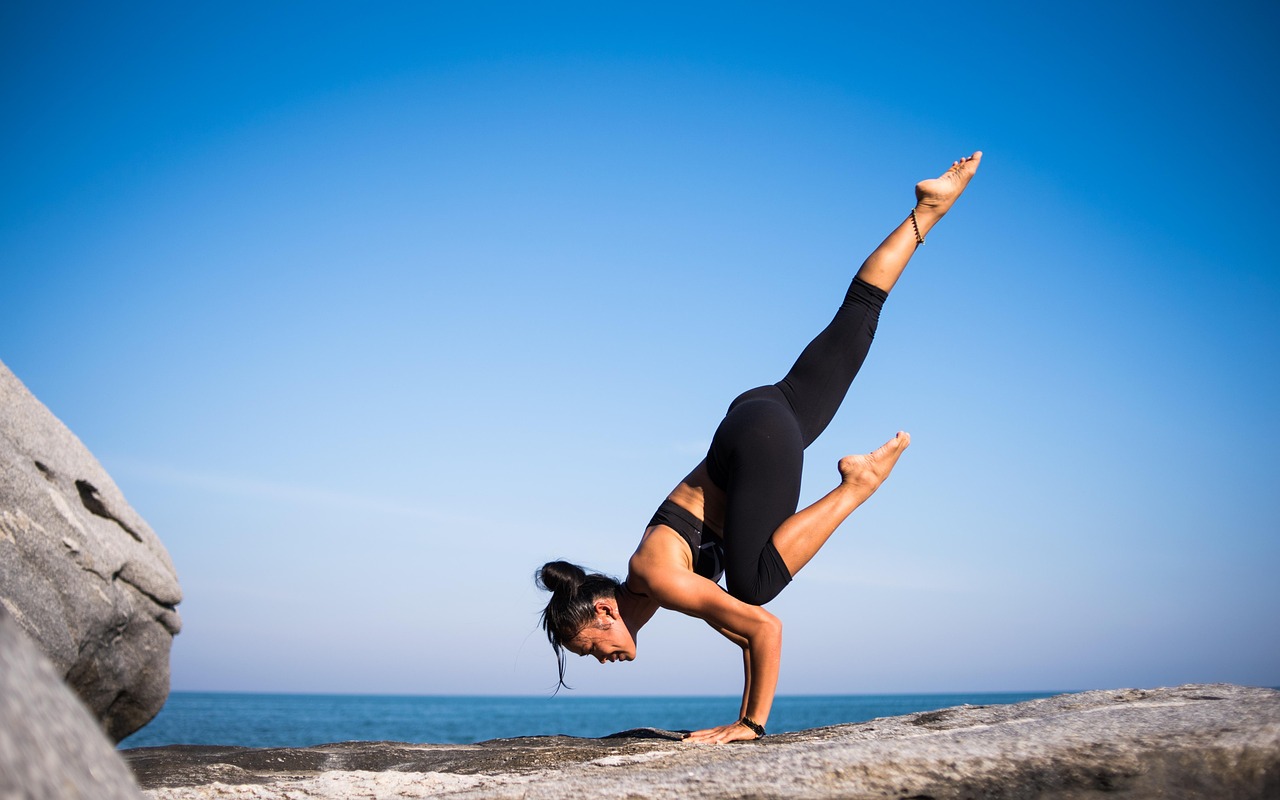

Functional Movement Tips to Boost Balance in Daily Activities
Improving balance and coordination is essential in our daily activities. One effective way to enhance your balance is through functional movement exercises. These exercises mimic daily tasks that we perform, such as bending or lifting, integrating multiple body parts, and improving overall coordination. To begin, consider activities that challenge your stability. Engage in standing exercises on one leg while performing simple tasks like reaching forward. You can also use props such as a stability ball or balance board during workouts. Moreover, incorporating movements that engage the core can significantly benefit balance. Core strength supports your spine and stabilizes your body during various activities. For example, practice planks and abdominal crunches while focusing on form and stability. Increase the challenge by closing your eyes or standing on an uneven surface. Regularly practicing these functional movements enhances coordination, enabling better performance in sports and daily activities. Additionally, always warm up properly to prevent injuries and ensure your muscles are ready for such exercises. By integrating these tips into your routine, you’ll gradually notice improved balance, making daily tasks more manageable.
Engaging with balance exercises is not just about enhancing coordination, but it’s also crucial for preventing falls, particularly as we age. Incorporating dynamic movements like tai chi or yoga can improve body awareness and stability. These practices emphasize controlled movements and posture, making them excellent for enhancing balance. As you execute these exercises, be mindful of your breath, which helps in maintaining focus. Start with gentler poses and gradually progress to more complex postures that challenge balance further. Strength training also plays a big role in improving balance. By strengthening the lower body muscles, such as the quadriceps, hamstrings, and calves, you build a solid foundation for stability. Simple squats and lunges are effective exercises, but make sure to maintain correct form for maximum benefits. Additionally, working with a trainer can help tailor a program specific to your needs and skill levels. Visual and sensory input can also impact balance, so varying your workout environment, such as practicing in a park or on different terrain, can help simulate real-life conditions. This approach prepares your body to handle various situations more confidently.
Balance Through Everyday Activities
Incorporating balance exercises into your daily routine can be simple yet effective. For instance, try balancing on one leg while brushing your teeth for a couple of minutes each day. This not only strengthens your legs but enhances your focus. Other activities, such as walking heel-to-toe down a straight line, can definitely improve stability. Make it a fun challenge by tracking your progress and balancing for longer durations over time. Additionally, if you’re sitting for long durations, take short breaks to stand and perform leg raises or mini-squats. These movements activate your core and get your muscles engaged, helping with overall balance. consider adding balance-focused yoga classes to your schedule, where sequences will be designed to improve your center of gravity and stability. Indoor activities like riding along a balance beam or playing games that require reaching out can supplement your balance training. The goal is to make these practices enjoyable, encouraging consistency. The more you integrate these exercises into your lifestyle, the more natural they will become, resulting in significantly enhanced daily coordination.
Balance is greatly affected by our mental state, so integrating mindfulness techniques can enhance your physical exercises. Mindfulness allows you to tune into your body’s signals and improve focus during balance activities. Always take a moment before starting an exercise to set your intention and visualize a successful outcome. This mental connection with your body ensures greater awareness of your movements and can lead to improved performance. Moreover, explore breath control techniques alongside balance training. Focusing on slow, deep breaths can calm the mind and help maintain equilibrium. Positive affirmations help bolster confidence, reinforcing your ability to succeed in balance tasks. You can write affirmations down or repeat them mentally during exercises. This integration of mental focus into physical training will create a synergistic effect, improving both weak areas of coordination and overall spatial awareness. A strong mental connection fosters resilience when faced with difficult balance challenges, infusing your workout with motivation. Attend seminars or workshops that blend yoga, mindfulness, and balance training, offering comprehensive approaches to stability improvement and encouraging a balanced lifestyle.
Nutrition and Hydration for Optimal Balance
Nutrition plays a pivotal role in physical performance and balance as well. Eating a balanced diet rich in lean proteins, healthy fats, and whole grains provides the energy required for effective balance exercises. Nutrients such as magnesium and potassium are essential for muscle function and overall coordination. Foods like bananas, avocados, nuts, and leafy greens not only nourish the body but also keep your muscles functioning optimally. Furthermore, hydration is crucial. Proper hydration levels help maintain balance since even minor levels of dehydration can impair performance. Aim for at least eight glasses of water a day, and adjust based on activity levels. Add electrolytes if engaging in prolonged physical activities. Keep in mind that alcohol consumption can negatively impact balance and coordination. Therefore, it is wise to moderate your intake. Incorporating a rainbow of fruits and vegetables ensures a range of vitamins that contribute to overall health and body performance. For optimal outcomes, consult a nutritionist to personalize a dietary plan that aligns with your balance training goals and needs.
Maintaining consistency in practice is vital to achieving long-term improvements in balance and coordination. It may take time to notice significant results, so having patience is crucial. Set short-term and long-term goals to keep yourself motivated. Start simple and build upon your progress. For instance, commit to a daily 10-minute session focused solely on balance exercises. Gradually increase the duration, complexity, or frequency as you become more comfortable. Tracking your journey through a fitness journal can also provide valuable insights into your progress and areas needing attention. Furthermore, consider incorporating a buddy system into your routine. Exercising with a partner not only makes workouts more enjoyable but also offers accountability, ensuring you stay motivated and committed to your goals. Social connections are great for encouragement, sharing techniques, and challenges. Joining fitness classes focused on balance and coordination helps you meet like-minded individuals pursuing similar goals. As you notice improvements, celebrate your achievements, whether big or small, and reward yourself accordingly. Your journey to improved balance can be rewarding in more ways than one!
Final Thoughts on Balance Improvement
To integrate these functional movement tips into your routine can lead to lasting benefits for daily balance and coordination. The combination of diverse exercises, mindful practices, and nutritional attention creates a holistic approach towards enhancing balance. Don’t shy away from experimenting with various exercises sidelining those you enjoy the most. Each individual may respond differently to different workouts, so tailor your regimen based on what feels best for your body. Remember to allocate proper recovery time, letting your muscles heal and build strength post-exercise. Additionally, listening to your body’s needs is essential. If you’re feeling fatigued or sore, consider reducing intensity or frequency for the time being. Gradual progression will lead to sustainable improvements. Moreover, involving a healthcare professional to monitor balance levels or any concerns can be prudent as you progress. Consistently practicing these tips will yield noticeable improvements in your functional mobility, ultimately enhancing your quality of life. With this focus on balance, enjoy newfound confidence in handling your daily activities, leading to an active and fulfilling lifestyle.