
Protein Intake and Muscle Recovery for Golf Players
Golf requires a unique combination of endurance, strength, and flexibility, qualities that can be significantly enhanced through proper nutrition. Among the most critical components of nutrition for golfers is protein intake, which serves as the building block for muscles. Consuming adequate protein can improve muscle recovery and enhance performance on the golf course. It’s essential to understand how different types of protein can affect your body and aid in recovery after intense practice sessions or competitions. Research suggests that golfers may benefit from a diet rich in high-quality protein sources to support their overall fitness goals. Protein-rich foods like chicken, fish, lean meats, eggs, and dairy products should be included in daily meals for optimal muscle repair. Additionally, various protein supplements, such as whey, casein, or plant-based options, can be practical additions. Incorporating protein-rich snacks after rounds can help fuel recovery and prepare the body for upcoming challenges. This article will explore effective strategies for integrating protein into your diet, optimizing muscle recovery, and ensuring that you perform maximally during those crucial golf matches.
Understanding Protein Requirements
The daily protein requirement for individuals varies based on several factors including age, weight, and level of physical activity. Golf players, particularly those looking to increase muscle mass and improve performance, should pay close attention to their protein intake. Many experts suggest that athletes consume between 1.2 to 2.0 grams of protein per kilogram of body weight daily. For instance, a golfer weighing 70 kilograms should aim for about 84 to 140 grams of protein each day. The timing of protein intake is equally important, as consuming protein shortly after exercising can aid in muscle recovery. This period, often referred to as the ‘anabolic window’, is when muscles are most receptive to nutrients. By strategically planning meals and snacks around workout times, golfers can maximize the benefits of protein consumption. Simple meal ideas include smoothies with protein powder, Greek yogurt with nuts, or protein bars. To maintain a consistent supply of amino acids, it’s best to spread protein intake evenly throughout the day. This habit not only helps with muscle recovery but also supports overall health.
Types of Protein: Choosing Wisely
Not all proteins are created equal; they come from various sources, each with unique benefits. Animal-based proteins, such as those found in meat, fish, and dairy, offer complete amino acid profiles that are essential for muscle repair and recovery. These proteins contain all nine essential amino acids, making them highly effective for athletes. On the other hand, plant-based proteins, while often lower in some amino acids, can still provide significant health benefits and should not be overlooked. Foods like beans, lentils, quinoa, tofu, and nuts can contribute to a balanced diet. Moreover, combining different plant proteins can ensure a complete amino acid profile. For instance, rice and beans together form a complete source of protein. Protein supplements are also a convenient option for golfers needing quick recovery nutrition on-the-go. Selecting a high-quality protein supplement that is low in sugars and additives can significantly enhance a golfer’s diet. It’s crucial to read labels and choose products that meet personal dietary preferences and needs.
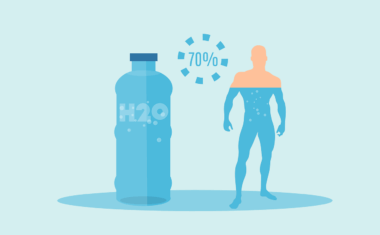
Hydration plays a vital role in muscle recovery, especially after a round of golf. While protein is essential, it works best in conjunction with adequate hydration. Water helps transport nutrients throughout the body and assists in muscle recovery. Furthermore, dehydration can hinder performance and increase the risk of fatigue. To ensure optimal hydration, golfers should drink water consistently throughout the day, as well as during their rounds. Additionally, sports drinks may be beneficial when playing in hot weather or during long tournaments to replenish electrolytes lost through sweat. Consider making hydration a priority before, during, and after your games. Combining hydration with protein consumption will enhance recovery and prepare your body for future challenges. Also, maintaining a proper balance between protein and hydration is crucial for muscle function and overall performance. Training sessions should incorporate hydration strategies to condition your body properly. Keep an eye on the color of urine, a clear indicator of hydration levels. Staying hydrated is just as important for muscle recovery as protein intake, so remember to carry a water bottle on the course.
Post-Workout Nutrition Strategies
After completing a round of golf or a workout, focusing on the right nutrition can significantly aid in muscle recovery. Consuming protein after exercise replenishes protein stores and stimulates muscle protein synthesis, which is critical for recovery. Studies suggest that the ideal post-exercise meal contains a combination of protein and carbohydrates; this helps restore glycogen levels and provides the building blocks necessary for muscle repair. A balanced meal containing lean meat, whole grains, and vegetables can offer these nutrients effectively. If time constraints exist, protein shakes or bars can be practical options that ensure proper recovery. For optimal recovery, consume your post-exercise meal within 30 minutes, as your muscles are primed to absorb the nutrients. Incorporating anti-inflammatory foods like berries, nuts, and greens can also accelerate recovery. Creating a meal plan that aligns with your training schedule ensures the right nutrients are available when needed. Whether a golfer wants to improve their game or simply enjoy the sport more, attention to post-workout nutrition can yield substantial benefits.
Supplements: Are They Necessary?
Golfers often wonder if they should consider supplements to enhance their diet and support recovery. While whole foods are the best approach for meeting nutritional needs, supplements can play a role for those needing additional support. Protein supplements, such as protein powders and bars, can help individuals meet their dietary requirements conveniently if they struggle to achieve their protein intake through meals. Other supplements, like branched-chain amino acids (BCAAs), may also support muscle recovery and reduce soreness post-workout. However, it’s crucial to be cautious with supplement selection, as not all products are created equally. Always choose high-quality supplements and consult with a healthcare professional or sports nutritionist before integrating them into your diet. Their guidance can help you understand the potential benefits, risks, and the appropriate use of supplements. Personal needs vary, so assess your diet and performance goals before deciding. Remember, while supplements can complement a well-rounded diet, they should not replace nutrient-dense foods rich in vitamins and minerals. Prioritize whole food sources before relying on supplements.
Conclusion: Balancing Nutrition and Performance
Achieving optimal performance on the golf course involves a fine balance between nutrition, hydration, and recovery strategies. Focused attention on protein intake will undoubtedly contribute to muscle recovery, allowing you to maximize your potential during training sessions and competitions. Golfers should aim to integrate a variety of protein sources, ensure proper hydration, and prioritize post-workout meals to support their physical demands. Understanding your body’s unique needs will help create a tailored nutrition plan that supports ongoing performance and health. As you develop your golf fitness regimen, remember the importance of maintaining a balanced diet supplemented with the right nutrients. Tracking your protein intake, staying hydrated, and implementing effective recovery practices will lead to improved performance over time. Take the time to educate yourself on nutrition, seek advice when needed, and continuously adapt your strategies for effective results. Golf is not just a test of skill but a comprehensive challenge requiring both physical and mental prowess. Equip yourself with the nutritional knowledge needed to excel, lift your game, and enjoy your time on the course.