
Exploring Trail Running Challenges Around the World
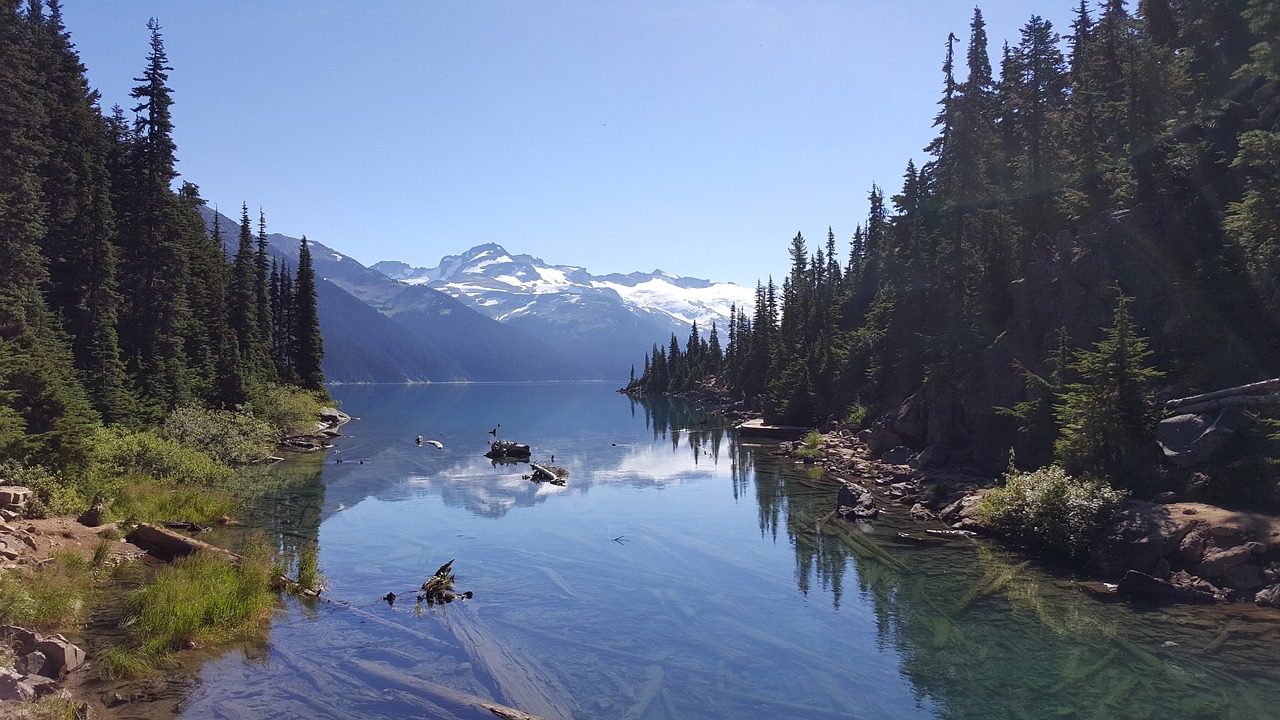
Trail running offers a unique perspective of nature, blending the exhilaration of running with stunning views and challenging terrains. Trail running challenges vary across the globe, presenting runners with thrilling experiences and testing their limits. Participants often face steep inclines, rocky pathways, and unpredictable weather conditions, all while surrounded by breathtaking landscapes. Whether navigating through serene forests, scaling mountain ranges, or racing along coastal paths, each trail presents its own unique challenges and rewards. Additionally, many trail running events promote camaraderie among participants, fostering a sense of community. These events not only encourage personal growth but also raise awareness for environmental conservation. Runners are often inspired by the beauty and fragility of the natural world, motivating them to advocate for responsible outdoor practices. As such, trail running is not just a sport but a way to experience and protect the stunning environments we tread upon. Many runners partake in these challenges annually, eager to conquer new trails and enrich their experiences. Choosing the right event is crucial, as it ensures safety, enjoyment, and the chance to push personal boundaries.
Famous Trail Running Challenges
Several iconic trail running challenges attract adventurers from around the globe, each offering its distinct flavor and allure. One such noteworthy event is the Ultra-Trail du Mont-Blanc (UTMB), held in the breathtaking Alps, where participants navigate a grueling 170 kilometers. Runners experience diverse terrains, alpine clouds, and stunning vistas, accompanied by thousands of enthusiastic supporters. Another significant race is the Western States Endurance Run in California, recognized as the oldest 100-mile trail race in the United States. This event combines fragility with endurance, a true test of mental and physical strength. The Marathon des Sables, known as the toughest footrace on Earth, takes participants through the harsh Moroccan Sahara Desert. Over the course of six days, runners cover approximately 250 kilometers, condensing their endurance into a series of gut-wrenching challenges. There’s also the TDS, a key segment of the UTMB events, bringing participants through rugged mountain paths, revealing stunning landscapes, and leaving a lasting impression. Each challenge pushes runners to connect deeper with nature while testing their personal and athletic limits, creating unforgettable memories.
Participation in trail running challenges varies widely, appealing to runners of all skill levels. From seasoned athletes aiming for a personal best to leisure seekers looking for adventure, trail running has something for everyone. This versatility is appealing as it allows individuals to not only test their endurance but also discover and explore new terrains. Many local organizations host smaller, community-focused events, fostering engagement among residents and promoting active lifestyles. These races often incorporate breathtaking routes through regional parks, forest reserves, and stunning coastlines. Such initiatives help maintain public lands, ensuring they remain accessible for future generations. Additionally, many races impose limits on participant numbers, enhancing the overall experience through reduced congestion along trails. This exclusivity allows runners to immerse themselves in the environment, focusing on personal growth rather than competition. Preparing for a challenge also involves training specifically for each terrain’s demands. By integrating long runs, strength training, and cross-training into their routines, competitors can prepare comprehensively for an unforgettable experience. Trail running is therefore not only about crossing the finish line, but also the journey leading up to it, reflecting personal transformation and growth.
Preparing for Trail Running Events
Preparing for a trail running challenge requires strategic planning, tailored training, and mental fortitude. First, runners should familiarize themselves with the specific route terrain, including its elevation changes, rocky surfaces, or possibly even river crossings. Understanding the landscape aids in tailoring training exercises, allowing participants to condition their bodies accordingly. For nutrition, focusing on fueling adequately before and after runs is crucial. Consuming the right balance of carbohydrates, proteins, and fats ensures sustained energy levels during events. Hydration is another key component, especially in challenging climates, so carrying sufficient water supplies during training is vital. Additionally, gear selection plays an important role; choosing the right footwear and attire can drastically influence performance and avoid potential injuries. Trail running demands appropriate shoes that provide grip and ankle support. Furthermore, mental preparation should not be overlooked, as it often determines success in facing the physical hardships of these challenges. Visualization techniques and positive affirmations can enhance one’s mental readiness. By focusing on these elements, runners can enhance their overall performance and ensure a memorable experience on race day.
Trail running challenges encourage environmental stewardship and the ethic of ‘leave no trace.’ Participants are reminded of their responsibility in preserving natural habitats, inspiring them to adopt sustainable practices during events. Many races incorporate educational elements, from workshops on environmental impact to guidelines on minimizing waste. By sharing knowledge, organizers aim to raise awareness about the importance of conserving the very trails they traverse. Events often set a good example by partnering with local environmental organizations. They take proactive measures, like providing recycling stations and mandating that racers use refillable water bottles. Additionally, many races also offer programs that contribute part of their proceeds to environmental protection projects, creating a direct positive impact. This fosters a deeper connection between participants and their surroundings as they appreciate the beauty of wilderness. By experiencing the challenges and joys of trail running, individuals recognize the importance of valuing and protecting these environments. Runners become advocates for change, driving home the message that everyone can make a difference while enjoying the great outdoors. As trail running continues to grow, these initiatives are vital for ensuring a sustainable future in the sport.
Cultural Significance of Trail Running
Trail running is not just about physical prowess; it also holds a deep cultural significance in various regions. Many indigenous and local communities have traditionally viewed running as a form of communication and spiritual connection with the landscape. For instance, in the Andean regions, running is integral to cultural heritage, reflecting a profound relationship with the surrounding mountains. Community events that celebrate running within these cultures foster unity and social connection, enriching participants’ experiences beyond mere competition. Recognizing these traditions enhances runners’ appreciation of their surroundings, emphasizing the need for mutual respect. Similarly, events like the Barkley Marathons in Tennessee are woven into the narrative of endurance running culture. This infamous race combines folklore with modern challenges, inviting adventurous spirits who seek to conquer not only the distance but also the legend that surrounds it. These challenges allow participants to delve into historical contexts, ultimately creating a rich tapestry of experiences that resonate informally across generations. Through trail running challenges, individuals forge connections with history, nature, and community, contributing to a legacy greater than oneself.
In conclusion, exploring trail running challenges globally unveils a tapestry of adventure and personal discovery, emphasizing the beauty of nature while pushing physical limits. From iconic races through mountain ranges and deserts to immersive community-focused events, the opportunities are boundless for runners. Phenomenal landscapes coupled with the spirit of camaraderie make these events unforgettable. The growing popularity of trail running reflects an increasing desire among people to connect with nature actively. As a result, these races provide a platform not only for competition but also for conservation efforts and cultural exchange. The collective emphasis on participating responsibly ensures the preservation of these pathways for future enthusiasts. Additionally, the unifying aspect of shared experiences fosters lifelong friendships among competitors. No matter the distance or terrain, trail running embodies the relentless pursuit of pushing oneself while experiencing the world’s wonders. For many, crossing the finish line represents not just an end, but the culmination of dedication and a journey that brings runners closer to nature. Therefore, trail running challenges will continue to inspire individuals to engage with their surroundings meaningfully.