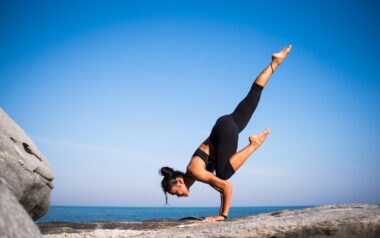

Exploring the Connection Between Core Strength and Flexibility in Functional Training
Functional training revolves around movements that improve daily life activities. This training emphasizes strength, stability, and flexibility, focusing on enhancing essential muscle groups. A critical element often overlooked is the relationship between core strength and flexibility. Core strength refers to the ability of the muscles in the abdomen, back, and pelvis to support the body. Improved core strength stabilizes your movements, which is vital for both performance and injury prevention. It’s not only about the weight lifted or the endurance displayed but how well the body can move within its potential without risk. Flexibility complements core strength, allowing for optimal muscle length during movements, which is necessary for sport-specific actions and personal fitness goals. Thus, the synergy between core strength and flexibility is crucial when optimizing functional training routines. Both attributes work together to create a body capable of performing complex, everyday tasks with ease. The integration of these two factors can significantly enhance overall athletic performance, leading to better results and a healthier lifestyle. Consider incorporating flexibility training alongside core workouts to gain the benefits of both in your functional training regimen.
To effectively build core strength, effective exercises such as planks, dead bugs, and Russian twists prove beneficial. These movements engage multiple muscle groups, creating a solid foundation that supports the spine during activity. Implementing such exercises into workouts not only increases core strength but also lays the groundwork for enhancing flexibility. Stretching routines, such as dynamic and static stretches, should be incorporated to ensure muscles remain pliable and injury-free. The combination of strength and flexibility training will help you achieve a balanced and well-rounded functional training experience. As flexibility increases, the body learns to perform complex movements more efficiently, reducing the likelihood of strains and injuries during high-impact activities. Also, flexibility is vital for recovery, allowing muscles to relax after intense workouts. This reduced muscle tension aids in quicker recovery times and prepares the athlete or fitness enthusiast for subsequent training sessions. Therefore, the relationship between core strength and flexibility is interdependent, allowing for improved performance across various physical disciplines. Ensure you include specific exercises targeting core stability and flexibility in your functional training regimen to maximize your potential and ability to perform daily tasks effectively.
The Importance of Core Stability
Core stability forms the basis of effective functional training, as it directly influences movement quality. When core muscles are properly activated, they provide essential support to the spine, enhancing posture and balance. This aspect significantly affects how well an individual can perform both everyday activities and specialized movements. Poor core stability can lead to injuries, compensations, and reduced functional capability. For example, when lifting heavy objects, strong core muscles safeguard against back injuries, ensuring that force is distributed evenly across the body. Moreover, developing core stability also tends to improve athletic performance by facilitating effective force transfer during sports activities. An athlete’s ability to explode into action relies heavily on a strong and stable core that can withstand rotational and lateral forces. Therefore, focusing on developing core stability should be a fundamental aspect of any functional training program. Integrating exercises such as bridges, planks, and stability ball activities can help enhance this stability. Equally beneficial is the addition of flexibility work, which allows the body to move freely and optimally. This dual focus on core strength and flexibility leads to improved performance and reduces injury risk in physical pursuits, regardless of fitness levels.
Flexibility training plays a crucial role in enhancing overall core strength and performance in functional training. As one increases flexibility, muscles become more pliable, allowing for a greater range of motion. This aspect is critical, as many functional movements require the body to operate within specific limits without straining. When you work on flexibility, you inherently support your strength training efforts by enabling your muscles to perform movements more efficiently. For instance, improved flexibility in the hip flexors and hamstrings means greater efficiency in squatting and lunging, which recruit crucial core muscles. Furthermore, flexibility training helps prevent injuries by promoting blood flow and allowing muscles to relax after exertion. It also aids in post-workout recovery, ensuring that the body is ready for subsequent training sessions. Incorporating diverse stretching routines, such as yoga or dynamic stretches, into your functional training can substantially enhance performance. Dedicate time after workouts to cool down and stretch, focusing on all major muscle groups associated with your core and flexibility. This comprehensive approach to functional training will enable you to achieve lasting benefits from both strength and flexibility training, working towards your fitness objectives effectively and safely.
The Role of Movement Patterns
Understanding movement patterns in functional training is essential for success and efficacy. When an individual practices functional exercises such as squats, lunges, and lifts, they engage multiple muscles simultaneously. Proper execution of these movements relies heavily on the synergy of core strength and flexibility. Movement patterns allow one to express force effectively, contributing to better sports performance and daily tasks. For instance, during a squat, strong core muscles stabilize the spine, while flexibility in the hips and knees ensures that the body can achieve the necessary range of motion. When these elements align correctly, the result is an efficient and fluid movement. However, when flexibility is limited, it can restrict the body’s ability to move through its natural patterns and lead to compensatory movements that may cause injuries over time. Therefore, it is crucial to analyze and refine movement patterns daily. Ensure to assess your form regularly, integrating flexibility and core stability exercises into your routine, which ultimately supports continuous improvements. Understanding how to utilize movement patterns effectively can transform your functional training experience, leading to enhanced performance and a reduced risk of injury in both sports and daily living.
The combination of core strength and flexibility is a dynamic duo that can maximize the effectiveness of any functional training program. A functional routine should ideally include a blend of strength, stability, and flexibility exercises to achieve well-rounded fitness. This comprehensive approach is beneficial for everyone, from athletes to those who lead a more sedentary lifestyle. Enriching your routine with exercises that bridge both aspects fosters balance in muscle development, helping to prevent muscle imbalances often seen in strength-focused training. Moreover, engaging in flexibility work alongside core training helps improve recovery times, making it easier for individuals to bounce back after workouts and continue progressing. Also, maintaining a flexible body reduces discomfort and minimizes injury risks, ultimately contributing to long-term health and fitness success. Engage in activities that simultaneously enhance strength and flexibility, like Pilates or functional yoga. Such practices encourage the body to grow stronger without losing its ability to move fluidly. Over time, you will notice improvements in posture, strength, and functional movement, making you more adept in various physical activities both in and outside the gym setting.
Conclusion and Practical Steps
In conclusion, the interplay between core strength and flexibility is a cornerstone of effective functional training. This synergistic relationship is not only vital for athletic performance but also essential for daily movement efficiency and injury prevention. Incorporating exercises that target both core stability and flexibility in your training programs can lead to significant advantages in overall physical capability. Practical steps to enhance this connection include designing a well-rounded workout routine that emphasizes both aspects. Ensure to implement exercises focusing on strengthening the core, such as isometric holds and rotational movements, while also integrating flexibility routines like static stretching or dynamic warm-ups. This combination ensures proper muscle engagement during functional activities. Scheduling regular flexibility sessions and dedicating cooldown time after each workout will also enhance recovery and mobility. Ultimately, this thoughtful blending of core and flexibility training methods allows you to maximize performance outcomes while building a more resilient and capable body. Whether you are an athlete or a fitness enthusiast, nurturing this connection will lead to greater success in your fitness journey and everyday life.
Essentially, the successful integration of core strength and flexibility proves fundamental in creating a balanced functional training program. Practicing this combination promotes not only physical fitness but also contributes to overall well-being. Emotional and mental benefits arise from improved strength and flexibility, enhancing your confidence in physical capabilities. Frequent participation in these training sessions fosters not only skill mastery but also community among individuals focused on similar goals. Remember, building a stronger body is a journey that benefits from a multi-faceted approach, focusing on both strength building and increased flexibility. By committing to your exercises, you promote lifelong health and wellness, optimizing your training sessions. Functional training that incorporates these vital components ultimately offers enhanced quality of life, allowing you to engage in activities you enjoy most without hindrance. Understanding the imperative nature of core strength and flexibility can reshape your fitness philosophy, leading not only to improved performance but also to a sustainable training lifestyle. Your dedication ensures a healthier future, positioning you to conquer any physical challenge while enjoying the process. As you engage in this journey, embrace the demands of functional training, knowing that you are investing in your physical and emotional health.