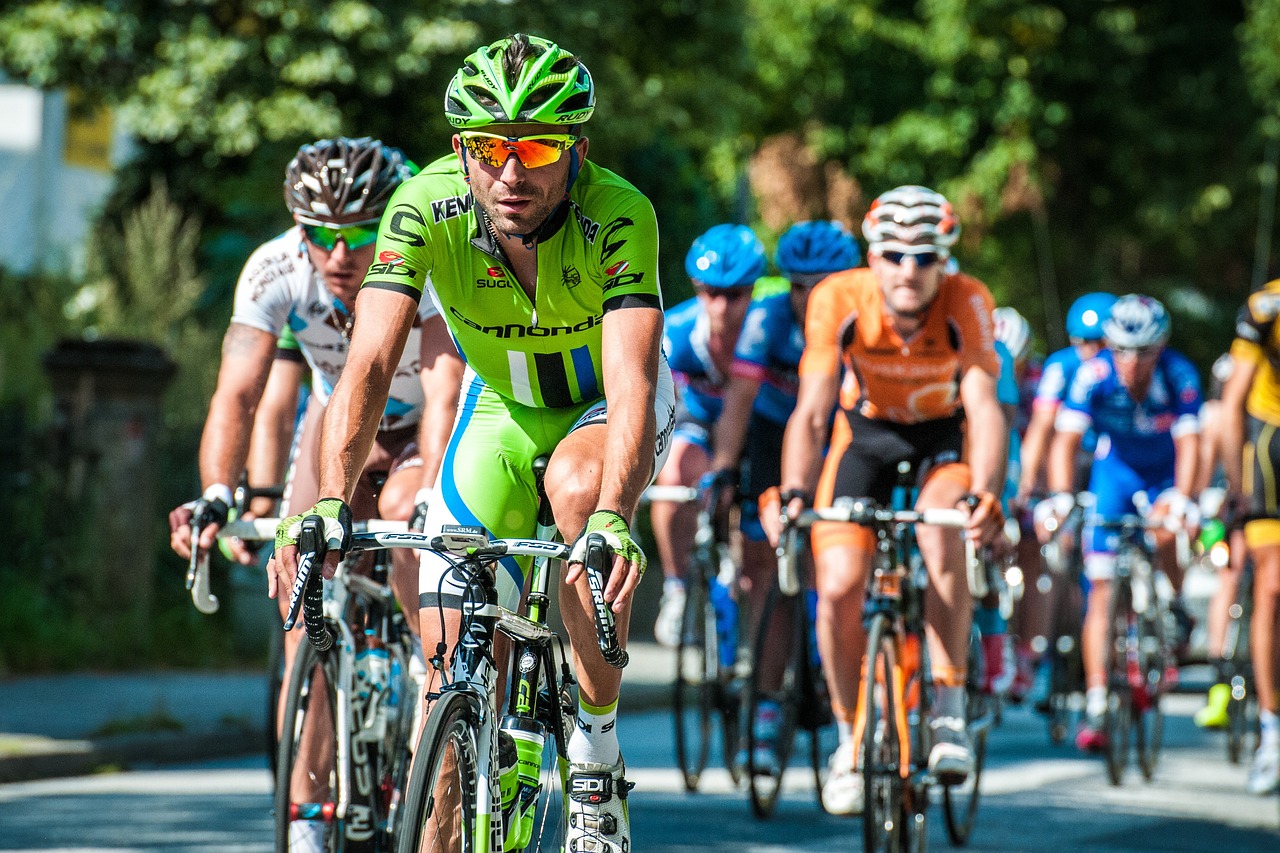

The History and Evolution of Competitive Cycling
Competitive cycling has a rich and varied history that dates back to the early 19th century. The first documented bicycle race occurred in 1868, in Paris, France, where cyclists gathered to compete. Bicycles have evolved from the early wooden draisines to the modern carbon-fiber machines we see today. Early competitions featured high wheel bicycles which were dangerous but popular. In the late 1800s, the first cycling clubs emerged, fostering a community around the sport and organizing events. By the turn of the century, cycling had become a professional sport, attracting sponsorships and a growing fanbase. The introduction of multi-day races, such as the Tour de France in 1903, revolutionized the sport and brought competitive cycling to the masses. Bike technology has continued to develop, allowing for improved speeds and efficiency. Cyclists excel in various disciplines, including road racing, track cycling, and mountain biking. Today, competitive cycling remains a vital part of global sporting events, and its rich history informs both competitors and fans alike, highlighting the sport’s legacy and impact on culture.
The early 20th century marked a significant period for competitive cycling, especially with the establishment of international competitions and events. In 1927, the Union Cycliste Internationale (UCI) was created to oversee international cycling competitions. This organization played a crucial role in standardizing rules and regulations, ensuring that races maintained integrity and fairness. After World War II, cycling saw explosive growth around the world, with countries establishing their own national races and championships. The advent of television brought cycling to an even broader audience, showcasing events like the Giro d’Italia and the Vuelta a España to fans globally. Notably, the 1970s and 1980s further popularized competitive cycling, with legends like Eddy Merckx and Bernard Hinault emerging, who captivated audiences and inspired countless cyclists. The sport has also expanded its reach with the introduction of women’s cycling events and increased sponsorship. With a commitment to sustainability and ethical practices, cycling organizations continue to evolve the sport, emphasizing health, fitness, and camaraderie among participants. As bicycle technology continues to advance, so does the potential for dynamic change in the world of competitive cycling.
The Impact of Technology on Competitive Cycling
Technology has played a pivotal role in revolutionizing competitive cycling. The evolution of materials—from heavy steel to lightweight composite materials—has significantly influenced bike performance. Innovations in aerodynamic design, gearing systems, and braking mechanisms continue to enhance cyclists’ capabilities. For instance, the introduction of the carbon fiber frame reduced weight and increased stiffness, leading to improved efficiency. Additionally, electronic shifting systems allow for precise gear changes, reducing energy expenditure during races. Advanced training tools, such as power meters and heart rate monitors, provide cyclists with valuable feedback for performance optimization. Teams now employ data analytics to develop strategies for races. The use of wind tunnels for aerodynamic testing is also common among elite cyclists, helping refine their positions for maximum wind resistance reduction. Furthermore, the integration of GPS technology enables cyclists to track their performance in real-time, delivering insights into training regimens and nutritional needs. As technology progresses, the landscape of competitive cycling continues to transform, challenging athletes to adapt and excel in an ever-evolving environment. These advancements not only foster competitive spirit but also promote widespread participation in the cycling community.
In addition to technology, competitive cycling has been profoundly impacted by cultural and societal changes throughout history. The sport has been both a reflection of and a response to broader social movements, such as gender equality and environmental awareness. In recent years, the rise of women’s cycling has garnered much attention, with more females participating in competitive events than ever before. Initiatives aimed at promoting women in cycling have resulted in increased visibility and support within the community. Furthermore, competitive cycling organizations prioritize sustainable practices, encouraging eco-friendly transporting methods and reducing environmental footprints. Events such as the Tour de France are now often accompanied by campaigns aimed at improving environmental responsibility. Additionally, the rise of gravel biking and bikepacking has opened new avenues for competitive cycling, fostering a spirit of adventure and exploration. Cycling fosters community engagement through charity rides and local competitions, strengthening the bond between riders and their communities. As a result, the sport has become a vehicle for social change, promoting interaction, and advocacy through cycling culture. The future of competitive cycling will undoubtedly continue to embrace these transformative trends.
Major Competitive Cycling Events
Major events in the world of competitive cycling are crucial for showcasing athletic talent and pushing the limits of endurance. Events like the Tour de France, Giro d’Italia, and Vuelta a España are considered the Grand Tours, representing the pinnacle of professional cycling. Each race provides unique challenges, from the rugged mountain stages of the Tour de France to the time trials featured in the Giro d’Italia. These races attract the best cyclists globally, who compete for prestige, sponsorships, and the coveted leader jerseys. In addition to road races, track cycling events, such as the World Championships and the Olympics, highlight speed and precision in a controlled environment. Mountain biking competitions like the World Cup series showcase technical skills and rugged terrains, appealing to diverse audiences. Cyclo-cross has surged in popularity recently, with its blend of road and off-road cycling attracting fans and participants alike. Each of these events contributes to a vibrant cycling culture, fostering community and engagement among cyclists, fans, and sponsors. As the realm of competitive cycling continues to thrive, the landscape of events will likely evolve, constantly reshaping the future of the sport.
The competitive cycling community thrives through its focus on inclusivity and community engagement. Organizations recently launched programs aimed explicitly at increasing accessibility to the sport, ensuring that people from all walks of life can participate. Many local biking clubs and teams provide resources for beginners, fostering a nurturing environment. Cycling contributes positively to health, promoting fitness and well-being among participants. Schools increasingly incorporate cycling programs to encourage physical activity among students and connect with the local cycling community. Volunteer initiatives play a critical role in organizing events and races, allowing enthusiasts to engage and give back. As a result, communities rally around competitive cycling events, creating a shared experience that strengthens interpersonal bonds. Advocacy for cycling infrastructure is gaining momentum, calling for better bike lanes and safer roads, enabling more people to join the cycling community. Increased accessibility ultimately results in more diverse participation in competitive cycling. As grassroots efforts augment the professional level, the sport reaches new heights and nears the broader community. Competitive cycling’s future is bright as it fosters this inclusivity while promoting the joy of riding.
The Future of Competitive Cycling
The future of competitive cycling holds numerous opportunities driven by innovation and inclusivity. With technology continuing to advance rapidly, we can expect even more significant improvements in bike design and gear optimization. These advancements will likely facilitate unparalleled athletic performance, as riders push themselves beyond previous limits. In tandem, the growing popularity of e-bikes introduces a new dimension—combining competitive elements with recreation. This trend fosters wider participation, attracting individuals who may have hesitated due to perceived physical barriers. Furthermore, there is substantial potential for professional cycling events to embrace digital platforms for enhanced viewer engagement. With live streaming and virtual competitions gaining popularity, the boundaries of traditional racing are expanding. Sustainability will also be increasingly integral to the sport’s future. Competitive cycling organizations are likely to prioritize environmentally friendly practices, striving to promote a healthier planet through cycling advocacy. As cycling culture evolves, diverse disciplines, such as indoor racing, may gain mainstream attention, changing the perception of competitive cycling. Ultimately, the future of this sport is poised for transformation, reflecting broader societal trends while staying true to its competitive roots.
In conclusion, the history and evolution of competitive cycling present a fascinating journey through time. The impact of innovation and cultural changes has continuously transformed the sport, enriching its community and global presence. Major cycling events highlight extraordinary athletic achievements while drawing together diverse groups of people who share a passion for cycling. As technology continues to play a crucial role, the dedication to inclusivity within the competitive cycling community paves the way for a brighter future. Evolving practices emphasize sustainability and environmental responsibility, prompting the sport to reflect contemporary societal values. Engaging the next generation of cyclists remains essential, inspiring future riders to participate in competitions across various levels. As competitive cycling forges ahead, it retains its essence while adapting to changing environments. The challenges and triumphs faced by cyclists contribute to the allure of the sport, embodying resilience, determination, and camaraderie. With a passion for cycling ingrained in its culture, competitive cycling is set to continue captivating audiences and inspiring individuals to embrace the joy of riding. The journey of this sport is far from over, revealing new pathways for exploration and growth.