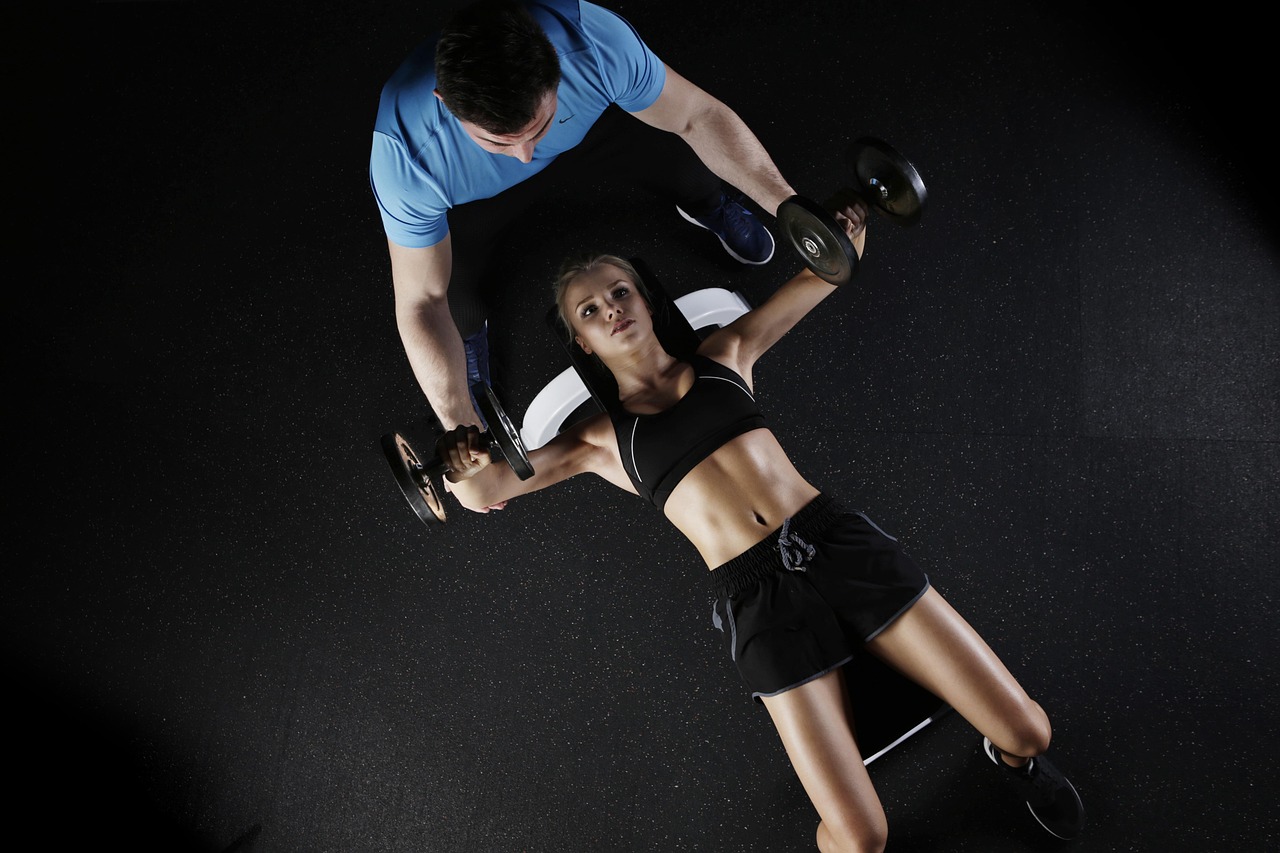

Fueling Your Functional Dumbbell Workouts: Nutrition Tips
When engaging in functional training with dumbbells, it is essential to understand how nutrition impacts your performance. Consuming the right nutrients can significantly enhance your results and overall experience. First, focus on your macronutrient balance, which includes carbohydrates, proteins, and fats. Carbohydrates are crucial as they provide the energy you need for intense workouts. Aim for complex carbs, such as whole grains and legumes, which release energy steadily throughout your session. Pairing carbs with protein is beneficial; aim to consume quality protein sources to repair and build muscle. Consider including lean meats, fish, eggs, or plant-based proteins like beans and lentils to your diet. Healthy fats also play a critical role in your nutritional approach. They aid in hormone production and can reduce inflammation, benefiting recovery and performance. Include foods such as avocados, nuts, and olive oil in your meals. Hydration is another key aspect of performance. Make sure to drink sufficient water before, during, and after your workouts to stay at your best. Proper nutrition supports your fitness goals, enabling you to maximize your training sessions and achieve desired results.
Pre-Workout Nutrition for Enhanced Performance
The timing of your meals plays a critical role in optimizing your functional training with dumbbells. For optimal performance, consider consuming a well-balanced meal 1-3 hours before a workout. This allows your body sufficient time to digest and absorb the necessary nutrients. A typical pre-workout meal should include a source of complex carbohydrates, proteins, and healthy fats. For instance, consider having oatmeal topped with sliced banana and a spoonful of almond butter to fuel your workout effectively. This combination provides the energy to sustain you through various movements and exercises. Furthermore, some individuals prefer a snack closer to the workout time, perhaps 30-60 minutes prior. This quick option can be a banana, Greek yogurt, or a protein smoothie, providing a boost without feeling heavy. Ensure to monitor how your body reacts to different meals and adjust accordingly to find what works best for you. Listening to your body and learning how certain foods affect your workouts is key to long-term success in functional training.
Post-Workout Nutrition for Recovery
Post-workout nutrition is just as important and often overlooked. After your functional dumbbell workout, your body is primed to absorb nutrients that aid in recovery and muscle synthesis. Aim to consume a meal or snack within 30 to 60 minutes after your workout. This meal should ideally include proteins and carbohydrates, which work together to replenish glycogen stores and repair muscles. Some excellent post-workout meals could be a smoothie with protein powder, fruits, and oats or a chicken salad wrap with whole-grain bread. Protein helps in muscle repair, while carbohydrates restore energy levels. In addition, including electrolytes in your post-workout nutrition is crucial for rehydration, particularly after intense training sessions. Foods rich in potassium and magnesium, such as bananas, nuts, or spinach, can also help replenish lost nutrients through sweat. By properly fueling your body after workouts, you will not only enhance recovery but also improve performance in subsequent training sessions. This cycle of attention to nutrition can lead to noticeable gains in strength and endurance over time.
The Role of Supplements in Functional Training
While a well-balanced diet should be the foundation of your nutrition strategy, supplements can play a supportive role. If your diet lacks certain nutrients, consider using supplements wisely. Protein powders can help meet your daily protein requirements, especially if you find it challenging to consume enough through food alone. Creatine is another popular supplement that can enhance strength, and it’s worth considering if you’re doing high-intensity workouts. Always ensure you choose reputable brands and consult with a healthcare professional before starting any new supplement regimen. Moreover, omega-3 fatty acids, commonly found in fish oil, can also be beneficial in reducing inflammation and improving joint health—essential for those performing weightlifting sessions. Multivitamins may support overall health, particularly if your diet is not comprised of a wide variety of fruits and vegetables. However, a good approach is to use supplements to complement your nutrition rather than replace whole foods, ensuring that you optimize your functional training outcomes while maintaining a healthy diet.
Hydration Strategies for Optimal Performance
Hydration is a crucial, yet often overlooked, aspect of nutrition in functional training. Your body loses a significant amount of water through sweat during exercises, especially when using weights like dumbbells. Consequently, it is vital to maintain adequate hydration levels. Before your workout begins, sip water to ensure you are well-hydrated. During workouts, especially those lasting over an hour, consider electrolyte-fortified beverages to replenish lost minerals due to sweat. These drinks can help maintain performance levels and prevent fatigue. After your training, don’t neglect hydration; continue to drink water or other hydrating fluids to facilitate recovery. It may be helpful to establish a routine, drinking a specific volume of water at regular intervals throughout the day. This practice helps ensure you meet your daily hydration needs. Furthermore, monitoring your color of urine can provide insights into your hydration status; light-colored urine generally indicates proper hydration. Adequate hydration supports your metabolism and physical performance, making it an essential component in achieving your functional training goals.
Meal Prep for Consistency in Nutrition
Consistency is key when trying to fuel your body for functional training effectively. Meal prepping is a fantastic strategy to ensure that you have nutritious meals ready when you need them, avoiding the temptation of quick, unhealthy options. Start by planning your weekly meals in advance, ensuring they include a balance of proteins, carbohydrates, and fats. Cook in bulk, so you have sufficient portions for several days. This approach saves time and allows you to maintain control over your intake. Use containers to divide meals for easy access throughout the week. Investing in quality meal prep containers can also help to keep your meals fresh and organized. Consider preparing a variety of foods like grilled chicken, quinoa, roasted vegetables, and hard-boiled eggs. This variety will keep your meals interesting and enjoyable. Additionally, snack preparation is vital as well; make snack packs with nuts, fruits, or yogurt to have on hand for quick energy boosts. This disciplined approach can lead to enhanced energy, better performance, and achieving your goals in functional training with dumbbells.
Conclusion: Optimize Your Nutrition Journey
In conclusion, optimizing nutrition is an integral part of enhancing your functional training with dumbbells. By focusing on pre-workout and post-workout meals, staying hydrated, utilizing beneficial supplements, and practicing meal preparation, you can build a robust foundation for fitness success. Nutrition influences performance, recovery, and general health, making it essential to approach this area with intentionality. Tailor your nutrition strategy to your individual needs and preferences while ensuring that your meals are balanced. Moreover, remain open to experimentation—what works for one person may differ for you. Monitor your progress and remain adaptable in changing your approach based on your experiences. Staying informed about nutrition trends can help you make better decisions, but prioritize whole foods over processed options. This strategy will serve you best in the long run. Keep in mind that achieving your functional training goals is a journey, where nutrition plays a pivotal role. With the right fuel and mindset, you can reach new heights in your training and overall fitness.