
How to Choose the Right Weight Plates for Your Home Gym
Choosing the right weight plates for your home gym is essential for optimizing your fitness journey. Consider the type you need: standard, Olympic, or bumper plates. Standard plates typically fit a 1-inch barbell, while Olympic plates fit a 2-inch barbell. Each type serves a specific purpose depending on your training style. Standard plates are great for beginners but have limitations. Olympic plates ensure durability and accuracy in weights. Also, consider the materials used, as they affect longevity and performance. Rubber-coated plates minimize floor damage and noise during workouts. Prices can vary significantly based on size and material, so shop wisely. Check brand reliability and warranty for long-term use. You’ll find options for both budget and premium price ranges. It’s advisable to read reviews and ratings from previous buyers to gauge product quality. Store your equipment properly to avoid accidents, and maintain a tidy gym environment. Using the right weight plates not only enhances your workout but also assists in achieving balanced muscle development throughout your routine. Re-evaluating your needs as you progress will ensure the equipment remains suitable. Safety is always critical. Each exercise should feel comfortable and stable.
The weight you choose can significantly impact your workout effectiveness, so select wisely to gain results.
Understanding Weight Plate Types
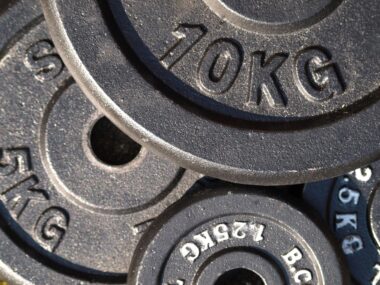
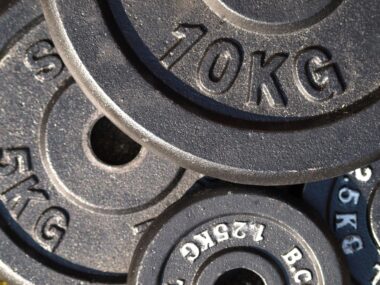
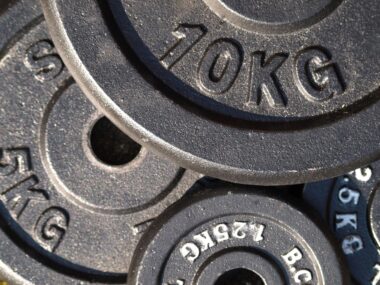
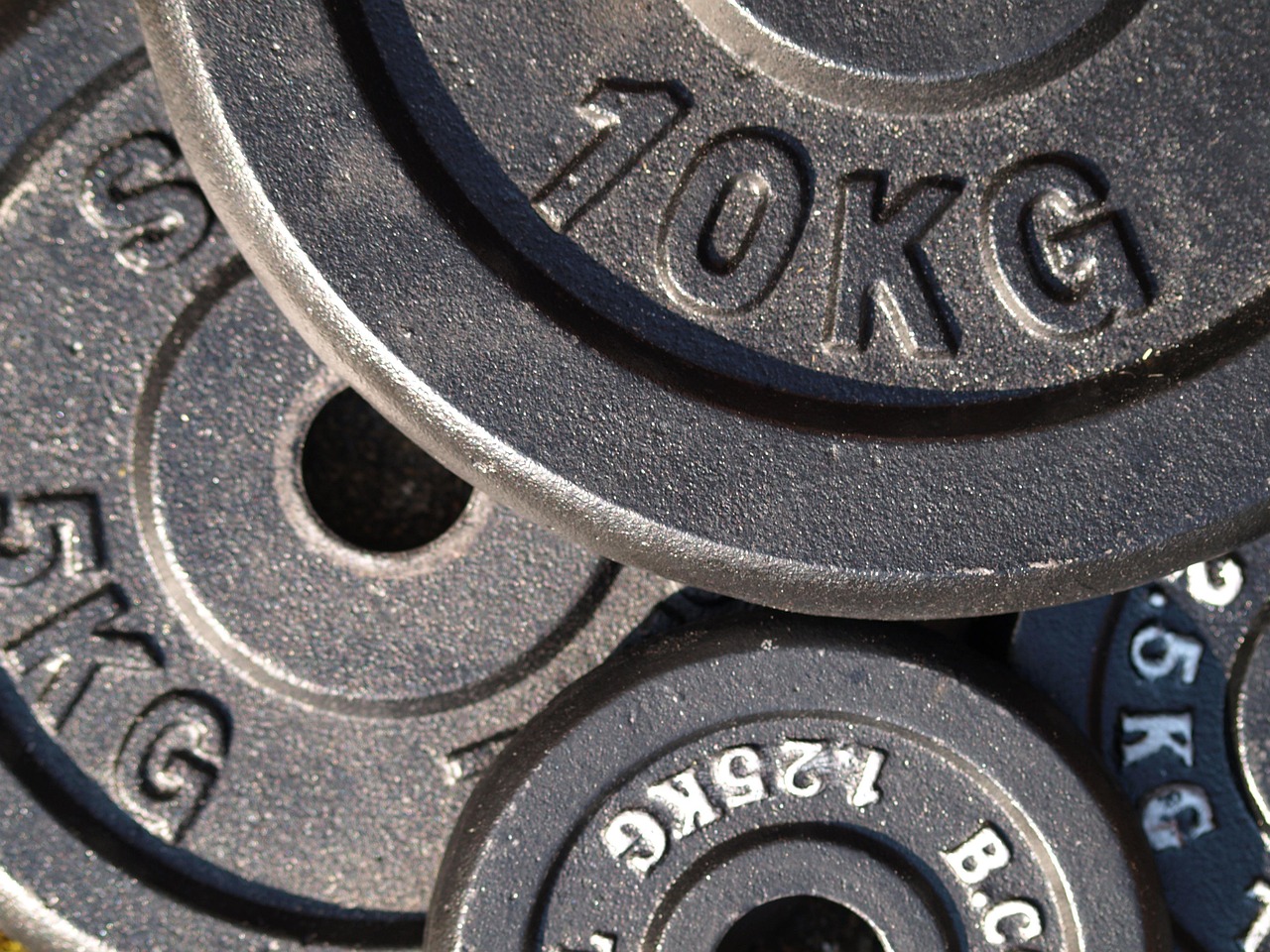
Weight plates come in various types to suit different exercises and training goals. Standard plates are the most common, made from cast iron or steel, and often cost less than other types. Olympic plates are designed to fit Olympic bars and are significantly larger, usually made from harder materials, allowing for increased weight capacity. Bumper plates, made from thick rubber, can be dropped safely from overhead lifts, making them ideal for CrossFit or Olympic weightlifting. Iron plates, being heavier and more traditional, can also provide superior longevity for consistent training. When selecting plates, always factor in the material, as this choice affects your home gym environment. Non-slip grip features are beneficial, enhancing safety during exercises. Some lifters may prefer fractional plates, allowing for gradual progress in weightlifting by adding smaller increments. Overall, understanding the weight plate types available will assist in selecting the right equipment tailored to your training conditions and future goals. Always remember, heavier isn’t always better; assess your lifestyle and fitness level. A well-rounded choice enables safe and effective training while reducing the risk of injury.
Consider the weight increments that suit your progression levels, so you can complete your workout efficiently.
Choosing the Right Material
The material of weight plates plays a vital role not only in performance but also in your workout experience. Rubber-coated plates are ideal for home gyms, especially if the floor is sensitive or if noise is a concern. They provide a non-slip surface that protects both your plates and your floor. In contrast, cast iron plates are traditional and robust, designed for longevity but can scratch surfaces. Choosing between these materials requires understanding your environment. If you have hardwood flooring, opting for bumper or rubber-coated plates is wise. Additionally, assess how the weight feels in your hands, as comfort can affect performance. Having plates that can easily be loaded onto bars without requiring excessive force contributes to an efficient workout. Buy from established brands to assure quality, checking for warranties. Furthermore, consider your preferences on aesthetics; some lifters might aim for matching colors or branding. Over time, you will learn which weights are essential and which you may not use often. The right material and overall feel contribute significantly to achieving your fitness goals.
Your equipment should not only fit your needs but also contribute to your setting’s overall safety.
Space and Storage Solutions
When adding weight plates to your home gym, consider the available space and storage solutions. Proper organization of your equipment is crucial to ensuring safety during workouts. Weight plates can be heavy and cumbersome, requiring designated storage areas to prevent accidents. Wall-mounted racks or weight plate trees are efficient options that save floor space while keeping your plates off the ground. This minimization of clutter enhances the workout area and allows for a more focused session. If you’ve chosen larger bumper plates, ensure your storage can accommodate the weight. Establish clear areas in your gym for your weights to be easily accessible yet organized. Also, consider their aesthetic value; a clean, organized space uplifts your motivation for exercise. Regularly inspect your equipment for wear and tear, especially if on a storage unit that’s frequently used. Securing your plates in a neat and tidy manner ensures longevity for both your weights and home gym. Communication and connection with the space can greatly impact your training mindset. Arrange your environment to suit your personal workout ethos for the best experience.
An organized gym leads to better efficiency and more enjoyable workouts overall, increasing daily motivation.