
The Use of Drones for Performance Analysis in Fitness Competitions
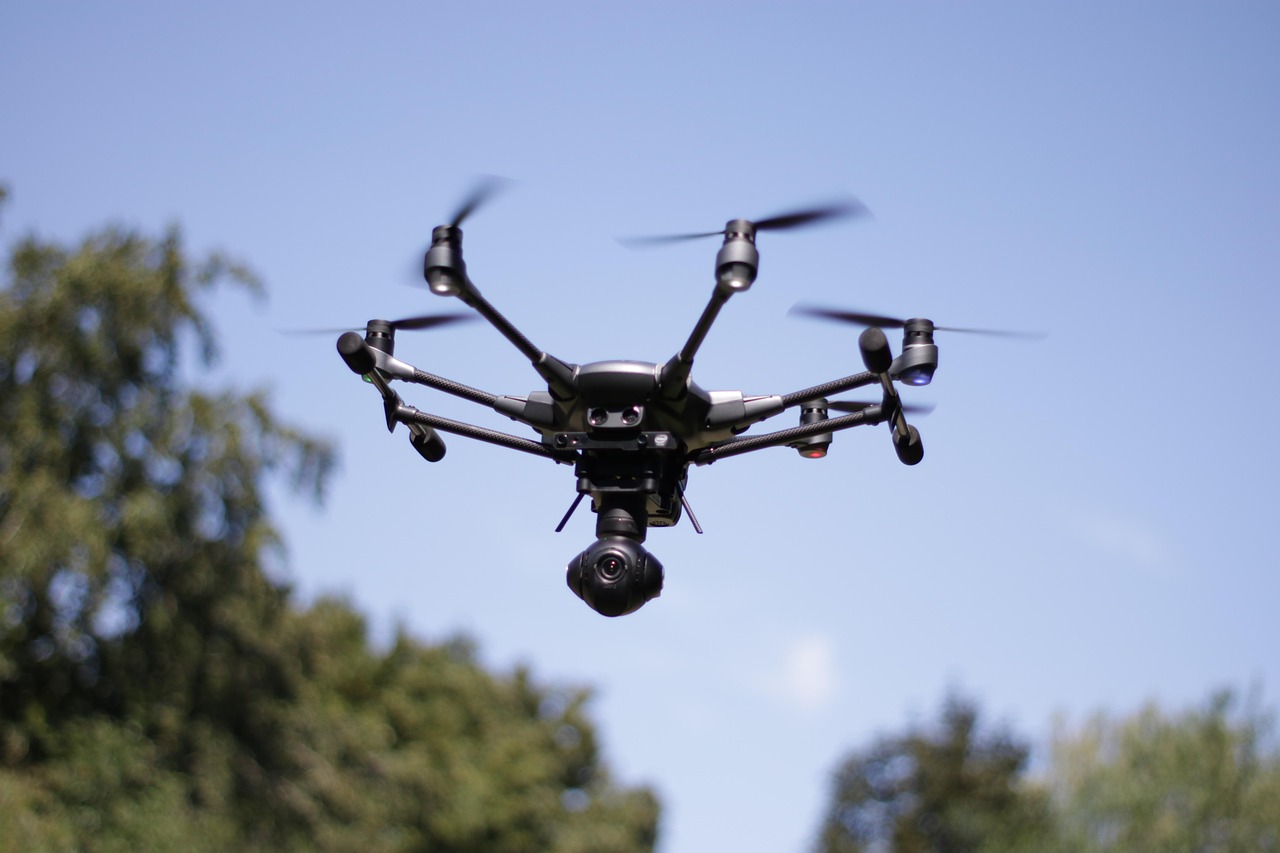
In the ever-evolving world of fitness competitions, technological advancements have greatly enhanced athlete training. One of the innovative tools emerging is the use of drones. Drones provide a unique aerial perspective, allowing coaches and athletes to analyze performance metrics in real-time. Using drones during competitions enables a detailed observation of form and technique from angles often inaccessible to ground-based cameras. This capability provides invaluable insights into performance, helping athletes understand their strengths and weaknesses. Additionally, drones can capture high-definition video footage, offering a comprehensive view of the event. By analyzing this footage, athletes can make adjustments to their strategies swiftly. Furthermore, by integrating drones into training, athletes can replicate competition scenarios closely. These flying devices can record numerous data points, such as speed, agility, and movement patterns during drills. Thus, the incorporation of drone technology not only improves training efficiency but can also enhance overall performance during competitions. Drones, while initially adopted in various sports, are now making their mark in fitness competitions, forever changing the landscape of athlete preparation.
Benefits of Drone Technology in Fitness
The benefits of drone technology in fitness competitions are numerous and significant. First, drones enhance situational awareness during competitions, allowing coaches to observe strategies and player positioning simultaneously. This capability allows for immediate feedback and adjustment, which is crucial in fast-paced environments. Moreover, the ability to capture aerial footage enables teams to review their performances comprehensively. Athletes can study their techniques from different angles, facilitating an understanding that is often impossible with traditional filming methods. Additionally, drones can be programmed for specific tracking of athletes during their training, offering precise data analysis of their performances. Such functionality includes measuring speed and distances traveled, which informs athletes about their performance metrics. With this information, personalized training programs can be developed tailored to the individual’s needs. Furthermore, drones can be employed in remote locations where space for traditional filming is limited. This flexibility allows competitions to be captured anytime and anywhere, increasing accessibility. Overall, introducing drones in fitness competitions empowers coaches and athletes, optimizing training strategies and boosting overall performance efficiency.
One of the most compelling aspects of using drones in fitness competitions is the ability to assess biomechanics effectively. Understanding an athlete’s body mechanics can lead to enhanced performance and injury prevention. Drones equipped with high-resolution cameras can thoroughly analyze an athlete’s movement patterns during critical phases of their activity. By viewing movement from above, trainers can identify inefficient techniques, allowing for timely corrections. This process contributes significantly to injury prevention, ensuring that athletes maintain optimal form over extended periods. Drones can also facilitate post-performance analysis, enabling athletes to review their movements after the competition has concluded. This retrospective analysis can reveal subtle mistakes that went unnoticed during the event, providing a learning opportunity for athletes to refine their skills. Additionally, capturing slow-motion footage from drones provides the depth of analysis instrumental in perfecting techniques. Using these insights, athletes can adjust their training regimens accordingly, focusing on areas where improvement is necessary. The dual advantage of immediate feedback and post-event reflection cements the role of drones as essential tools in the competitive sports landscape, particularly in fitness. Their utility continues to expand as technology evolves, promising an exciting future.
Enhancing Training with Drone Data
Integrating drone technology into training regimes can offer unparalleled data that enhances athletic performance. Athletes can track their progress through visual data collected via drone. Importantly, drones can provide live updates on each athlete’s performance during practice sessions, allowing for immediate coaching interventions. Coaches can monitor pacing and adjustments in real-time, facilitating quicker adaptations in training strategies. Furthermore, the recorded data visualizes patterns that are crucial for optimizing conditioning regimens. Coaches and athletes can review trends over time, understanding how different training methods affect performances. This evaluation helps craft individualized programs based on precise performance analytics. Also, the use of drones can improve motivation among athletes. Seeing their performance from an aerial view, along with metrics collected can inspire athletes to push their limits and engage more actively in training. The gamification aspect of utilizing data helps to maintain a competitive spirit among teammates. Moreover, data gathered from drone observations can be shared among various teams or federations to encourage collaborative learning. By sharing best practices identified through drone analysis, the fitness community as a whole can drive progress toward enhanced athletic outcomes, demonstrating the importance of data literacy in sports.
The integration of drone technology is also paving the way for innovations in competition formats. Fitness competitions traditionally relied on ground-level observations for assessment. However, drone aerial views can provide unthinkable depth to live match viewing experiences. Spectators armed with knowledge obtained from drone-feed analytics can engage with the event on a whole new level. This elevated viewing experience encourages deeper connections between athletes and fans. Moreover, the implementation of drones promotes transparency in judging and scoring systems. Judges can review footage from various angles before making critical decisions, which is especially beneficial in intricate sports involving technical routines. This technology can help resolve disputes regarding scoring and help maintain fairness in competitions. For sponsors and promoters, aerial footage captured can further enhance marketing efforts, offering fresh, dynamic content for promotions. As competitions evolve to include drones, the viewing experience becomes more immersive and entertaining. Overall, the changes brought about by drones are revolutionizing how competitions function, ensuring athletes are accurately assessed, thereby fostering a more engaging experience for everyone involved.
Challenges of Drone Integration
Despite the numerous advantages drones offer, there are challenges associated with their integration into fitness competitions. Firstly, regulatory considerations surrounding drone usage can complicate their implementation. Different regions possess varying airspace restrictions, which may limit drone operations during certain events. Athletes and coaches must always navigate these regulations and ensure compliance to maximize the benefit of drone technology. Additionally, the cost of acquiring high-quality drones may pose financial constraints for some teams. Investing in drone technology requires careful budgeting, especially for smaller or less-funded fitness programs. Furthermore, technical proficiency is essential to operate drones effectively. Coaches and trainers need proper training to utilize drones and analyze the data gathered proficiently. Handling drones without appropriate skills might lead to costly errors or missed opportunities for improvement. In addition, drones can also face limitations in adverse weather conditions. Wind, rain, or snow can significantly affect their performance, potentially leading to insufficient or ineffective data collection. Thus, teams may need contingency plans to ensure performance analysis continues uninterrupted. Therefore, while drones present exciting advancements in fitness competitions, overcoming these challenges will be essential for their long-term integration.
Finally, privacy concerns arise with the incorporation of drone technology in fitness competitions. Athletes deserve to have their performance data handled responsibly, raising the question of who owns the footage captured by drones. There is a need for clear guidelines on camera usage, especially during public events. Athletes should be informed about how their data will be used and whether it might be published or shared for marketing purposes. As sports organizations invest in drone technology, they should also develop policies addressing these privacy issues. Maintaining trust between athletes and organizations is vital for fostering collaboration that supports optimal training environments. Ultimately, addressing privacy concerns is crucial in harnessing the full potential of drone technology in fitness. By fostering an environment of transparency, innovative solutions can be shared, promoting cooperation among athletes, coaches, and sports entities. These measures will ensure that drone technology serves to enhance athletes’ performances without compromising their rights and privacy. As we enter this new frontier, balancing technology with ethical considerations becomes necessary, shaping the future of fitness competitions in the modern age.