
How to Incorporate Breathing Drills into Pilates Classes
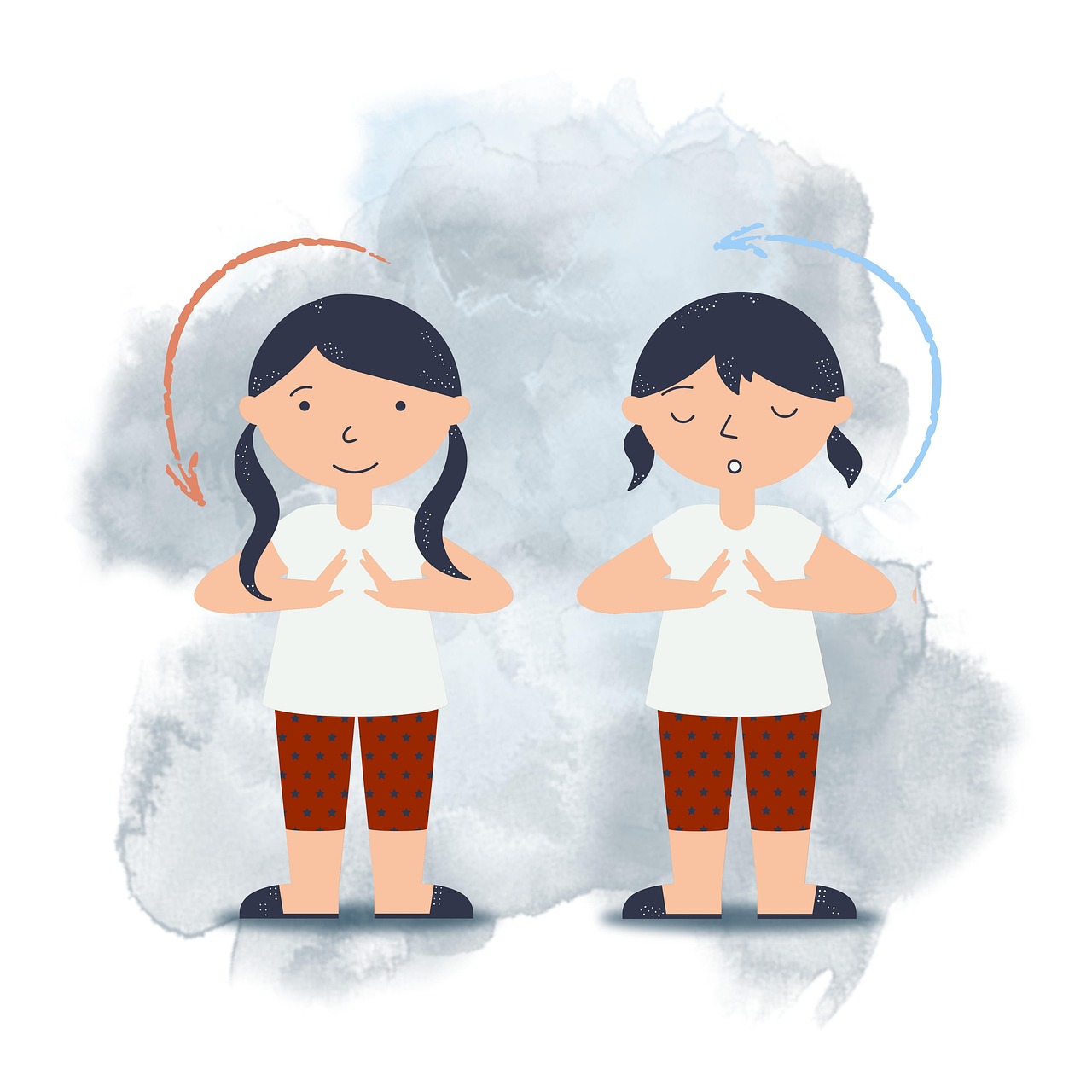
Breathing is a fundamental aspect of Pilates that emphasizes alignment, core stability, and body awareness. To effectively incorporate breathing drills into Pilates classes, instructors must first understand the principles of breath control. This involves teaching clients to inhale through the nose and exhale through the mouth, ensuring that the breath complements the movement. By utilizing the breath, practitioners can enhance their performance, facilitating better oxygen flow and reducing tension. Encourage students to maintain awareness of their breath during transitions between exercises, connecting movement with breath. A key component is to start with basic breathing techniques, focusing on the diaphragm. When beginners learn to coordinate their breath with movement, they create a steady rhythm that allows for deeper engagement. This connection elevates their practice, bringing both mental clarity and physical strength. Incorporating breathing drills not only improves the physical aspects of Pilates but also contributes to overall well-being. Instructors can include breathing exercises such as lateral rib cage expansion to help participants become more attuned to their breath and body. This foundational practice lays the groundwork for more advanced exercises.
When introducing breathing drills into your classes, consider using a variety of techniques aimed at enhancing the students’ connection to their breath. One effective method is to begin each class with a few minutes dedicated to breath awareness. This helps students transition from their busy day into their practice space, creating a focused and calming environment that fosters mindfulness. In this initial phase, you can teach the ‘three-part breath’ technique. Instruct students to fill their abdomen, ribcage, and then upper chest sequentially with air, and then exhale in reverse order. This comprehensive breathing encourages full lung capacity and promotes relaxation. Breathing exercises can also be seamlessly integrated into various Pilates moves, such as the Hundred. As students perform this classic exercise, they should coordinate their inhalations and exhalations with each count, making it easier to maintain focus. Additionally, encourage students to visualize their breath as they move, imagining the air expanding through their body. This mental imagery can deepen their awareness and enhance the overall effectiveness of their practice.
Practical Breathing Techniques
There are specific breathing techniques that can significantly enhance a Pilates class. The ‘Coordinated Breathing’ method is one such approach, where students synchronize their breaths with specific movements. For example, during flexion and extension phases in exercises like the Roll Up, students inhale while preparing for the movement and exhale as they engage their core and roll back down. This technique guarantees that breath becomes a key player in maintaining core stability and promoting smooth transitions. In addition to this, introducing breath holds can be beneficial in some particular exercises, such as in the Plank hold. Instructing students to hold their breath for a few seconds during this challenging phase can increase their awareness of pressure exerted on the core, significantly strengthening it. Variations like the ‘Box Breathing’ method can also be employed, where students inhale for four counts, hold for four, exhale for four, and hold again for four. This rhythmic pattern supports better breath control, concentration, and ultimately enriches the Pilates experience.
Monitoring your students’ breathing is essential as a Pilates instructor. It’s important to be aware of their breath patterns, as it can reveal their comfort level and help prevent injury. Observing movements in conjunction with their breath allows for immediate feedback. Offer cues that encourage deep, full breaths, especially when students are under tension or during challenging poses. Remind them that exhaling during exertion can relieve pressure, making it an important aspect of their practice. Utilize supportive props like cushions or blocks to help students feel more comfortable while incorporating their breath into movements. These props can aid in preventing strain, allowing them to focus on mastering the coordination of breath and movement. Establish an open line of communication during class by encouraging students to share their experiences with breath work. This exchange creates a supportive atmosphere where everyone can learn from each other. You may even consider practicing breath techniques guided as a group toward creating a more synchronized experience, which fosters connection among participants and enhances their engagement.
Integrating Breathing into Advanced Techniques
After fostering basic breathing techniques, transition to integrating breath control into more advanced Pilates exercises. Once students are comfortable with fundamental breathing methods, they can enhance their practice by coordinating breath with more complex movements like the Teaser or Side Plank. These exercises demand heightened awareness of breath, as precise inhalations and exhalations are crucial for maintaining stability. Encourage students to visualize their breath guiding them through challenging poses. This principle not only facilitates better technique but also instills confidence in their movements. As students become more advanced, you might introduce ‘breath control’ challenges where they must maintain their breath pattern while performing intricate transitions between movements. This helps them understand the impact of breath on their overall capacity and endurance during the session. Incorporating a few moments of breath focus within these routines promotes a deepened connection between mind and body, enhancing mental clarity. Also, remember to provide reminders about breathing during intense sequences, guiding students on how to utilize breath as a tool for relaxation and technique.
In addition to physical practice, teaching the importance of breath in everyday life is essential. Relating Pilates breathing techniques to daily activities helps bridge the gap between practice and real life. Inform students that they can utilize awareness of their breath in stressful situations, such as public speaking or high-pressure environments. This connection transforms their practice into a valuable resource beyond the studio. Offering students homework is another useful strategy; suggest they spend a few minutes each day practicing focused breathing. Techniques can include deep diaphragmatic breathing or tracking breath patterns during various daily activities. This reinforces the integration of Pilates principles into students’ lifestyles. Regular practice translates these techniques into instinctual responses, making breath work an inherent part of their day. Over time, this regularity strengthens their breath control, influences their physical workouts, and enhances their mindfulness overall. Furthermore, consider using visual aids like graphics or videos to showcase proper breath techniques. These can serve as excellent tools for students to reference and practice at home, further reinforcing classroom habits in their routine.
Conclusion: The Power of Breath in Pilates
In summary, incorporating breathing drills in Pilates not only provides physical benefits but also enriches the mental and emotional aspects of practice. By teaching the coordination of breath and movement, instructors empower students to deepen their practice and enhance their overall wellness. Acknowledging the significant role of the breath fosters a greater sense of mindfulness, ultimately leading to more effective classes. By understanding how to use breath as a tool, students can navigate through challenging exercises with increased confidence and focus. As this practice grows, the benefits extend beyond the Pilates studio, significantly enhancing overall quality of life. Listening to your body while inhaling and exhaling creates a foundation of awareness and connection. In addition, providing clear guidance and support from instructors nurtures a positive environment for exploration and growth. Encourage your students to share their experiences and continue to deepen their connection to their breath, both in and out of class. With a consistent focus on breath, they can achieve stronger Pilates practices and a more integrated approach to their daily lives.