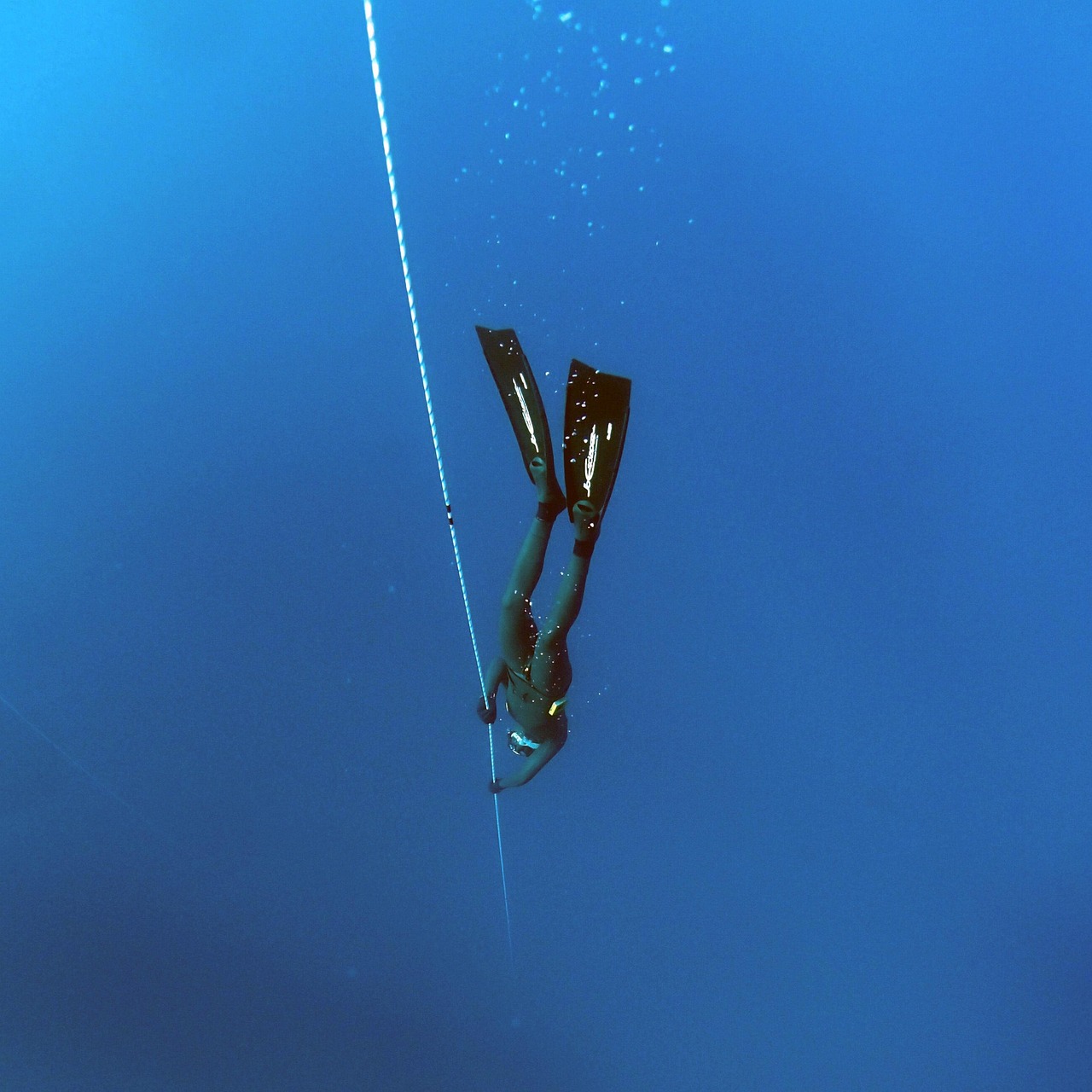

How to Overcome Fear and Anxiety in Freediving
Freediving is an exhilarating sport that combines depth, breath control, and tranquility. However, fear and anxiety can often cloud the experience. To harness your potential in this aquatic realm, you must understand these emotions. Acknowledging the existence of fear is the first step in combating it. Accept that many divers feel anxious before plunging into the depths. This is completely normal and can be managed with the right techniques. Breathing exercises play a crucial role; they help calm the mind, slow the heart rate, and prepare the body for a dive. Practice inhaling deeply, allowing your diaphragm to expand fully. Hold the breath for several seconds, then exhale slowly. Repeating this process not only helps reduce anxiety but improves your air consumption during dives. Visualization can also be beneficial. Imagine yourself diving effortlessly, feeling confident and at peace. Skilled athletes often use this technique to perform at their best. Lastly, surrounding yourself with supportive diving partners can significantly alleviate stress, fostering a nurturing environment where everyone can overcome their fears together.
Building a solid foundation with proper education is key to overcoming fear when freediving. Engaging in training sessions with experienced instructors cultivates both skills and confidence. An accredited freediving school ensures you learn essential safety protocols, improving not only your technique but also your mental preparedness. Focus on understanding buoyancy, equalization, and breath-holding strategies. These core aspects of freediving can empower you, as having a solid grasp on them reduces uncertainty. Then, you can advance to practicing in controlled environments such as swimming pools to desensitize yourself to the potential anxiety triggers. The gradual exposure technique involves slowly acclimatizing to deeper water in manageable stages. Listening to your instincts is equally important; if you feel overwhelmed, it’s okay to pause and regroup. Learning to manage your limits fosters self-awareness, which is essential for maintaining focus underwater. Additionally, sharing experiences with fellow freedivers can create a sense of camaraderie. Whether it’s discussing techniques, exchanging stories of past dives, or simply enjoying the company of like-minded individuals, this community support can uplift your spirits. Building these experiences will further enable you to face your fears head-on.
The Role of Mindfulness in Freediving
Incorporating mindfulness techniques into your routine can greatly enhance your freediving experience. Mindfulness encourages you to live fully in the moment by enhancing your awareness of both your thoughts and feelings. This mental state can help you detach from the distractions and worries that often accompany fear and anxiety. One way to practice mindfulness before diving is through meditation. Take a few minutes each day to sit quietly, focusing only on your breath and the sensations within your body. This practice sharpens your focus, allowing for greater control over your body during dives. Before a dive, take a moment to clear your mind and visualize a successful experience. Concentrate on your breathing, maintain calmness, and pay attention to how your muscles feel as you prepare. Grounding exercises are also beneficial. These can involve simple techniques such as feeling your feet firmly planted on the surface or focusing on the rhythm of your heartbeat. Techniques like progressive muscle relaxation can relieve built-up tension within the body. By practicing these strategies consistently, you’ll cultivate a focused and calm mindset that’s essential for successful freediving.
Another useful technique is the use of positive affirmations. Repeating phrases like, “I am calm and capable” or “I trust my body” can reinforce your confidence and counter negative thoughts. Surround yourself with these affirmations; write them on cards or display them in areas where they will serve as reminders. Maintaining a journal dedicated to your diving experiences can also be beneficial. Document your feelings before and after each dive, noting fears faced and victories celebrated. This reflective practice provides a clearer picture of your progress, helping to identify patterns of anxiety and moments of triumph. Reading your entries can allow you to appreciate how much you have overcome. Becoming familiar with your emotional responses aids in developing coping strategies for future dives. Establish goals, whether it’s achieving a specific depth or simply diving more frequently. These objectives create motivation and a sense of purpose. Gradually, as you meet these goals, your self-assurance will grow, slowly replacing fear with confidence and excitement about the experience ahead.
Pre-Dive Routines and Techniques
Creating a pre-dive routine can further help mitigate fear before entering the water. Know that routine enhances a sense of control, which is vital for managing anxiety. Start by establishing a consistent series of steps that you follow prior to diving. This can include physical preparations, such as stretching or gentle yoga, to ease tension in your body. Mentally, take time to visualize your descent and experience underwater. Address any lingering fears by reminding yourself of previous successful dives. Think about how those moments felt, recalling feelings of freedom and joy. Listening to calming music or engaging in relaxation exercises can also help ease the mind. Engage your senses; notice the sounds of water, the sensation of your gear, or the feeling of the sun warming your skin. Immersion in this sensory experience grounds you in the present moment and prepares you for the dive. Additionally, consider underwater breathing techniques during your pre-dive routine. A slow, controlled breath pattern helps stabilize the nervous system, thus promoting relaxation. This established routine imbues confidence and reinforces mental preparedness before each dive.
Connecting with nature is another essential aspect of overcoming anxiety in freediving. Embracing the aquatic environment can facilitate a deeper understanding of the ocean, transforming fear into respect and curiosity. Spend time observing marine life; learn about the ecosystem you’ll be diving in. Familiarizing yourself with the underwater world allows you to build a connection. This bond minimizes the inherent fear of the unknown. During dives, engage with nature, noting the vibrant colors and movements of the sea. Fostering this connection with your environment cultivates a sense of belonging, shifting the overall perspective from one of fear to wonder. You’ll find joy in exploration as you encounter unfamiliar sights. Remember, the ocean is a living entity, and developing this relationship enhances appreciation. Respect for the power of water and the marine ecosystem enriches the diving experience as well. Additionally, consider participating in beach clean-ups or conservation efforts; these activities foster a sense of purpose. Knowing you are contributing to the preservation of such environments can enhance the value of your experience, allowing fears to dissipate over time.
Conclusion on Overcoming Fear in Freediving
Ultimately, overcoming fear and anxiety in freediving requires patience, practice, and the right mindset. It is essential to embrace your fears and understand that they can be managed. Incorporating breathing techniques, mindfulness practices, and building supportive communities are vital steps in transforming anxiety into confidence. Learning from every dive experience, journaling feelings, and setting achievable goals infuses a sense of progress. Consistency is key in cultivating skills and comfort underwater. Celebrate small victories to foster a positive self-image and reinforce the journey. Drawing connections with nature deepens the freediving experience, as it shifts focus from fear to appreciation. Seek support from instructors and fellow divers, navigating the challenges together. With time, you will find that your fears diminish, and excitement for freediving ignites. Connecting to the water is a beautifully transformative process, a reminder that many divers experience similar concerns. Remember, each individual’s journey is unique, and challenges faced only serve to create more profound connections to the sport. So take the plunge and embrace the depths; fear can be managed while wonder awaits below.
This article provides vital insights into overcoming fear and anxiety in the captivating world of freediving. By focusing on mental preparation, techniques, positive affirmations, and building connections with nature, divers can navigate their challenges. Each dive becomes an opportunity for transformation, embracing both the depths of the ocean and the depth of self. Don’t let fear hold you back; instead, recognize it as a pathway to growth. As you venture forth on your freediving journey, take these lessons to heart, and remember that you’re never alone in facing your fears. Celebrate every achievement, connect with fellow divers, and contribute to ocean preservation. The joy of freediving awaits you. Get ready to dive deep into relaxation and exhilaration alike.