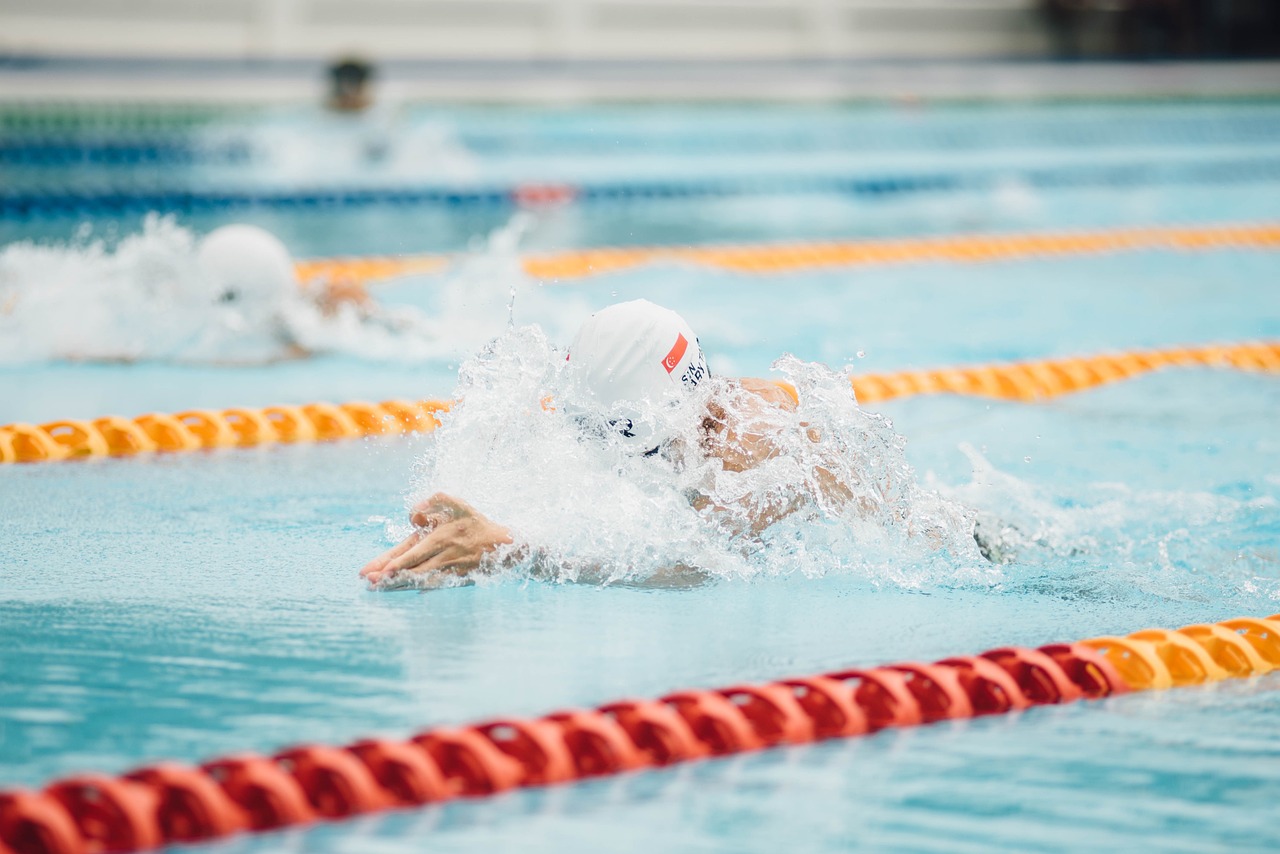

Essential Gear for Long Distance Swim Training
When embarking on long distance swim training, having the right gear is paramount. A well-fitted swimsuit is essential for comfort and performance. Look for options such as a triathlon suit or high-performance swimwear designed to reduce drag. It should fit snugly but allow for full range of movement. Consider a racing suit for competitive sessions. In addition, don’t forget the importance of having a durable swim cap. It keeps your hair out of your face and reduces resistance in the water. Moreover, a quality pair of goggles can enhance your visibility underwater. Look for goggles that feature anti-fog technology and UV protection. These elements will improve your comfort during extensive training sessions. Personal preference plays a part in choosing the right kind of goggles—whether it’s a wider lens or tinted lenses for sunny outdoor swims. Finally, think about adding a hydration system on deck, such as a water bottle that can be easily accessed. Staying hydrated is key when training for endurance events. Incorporate these essentials for a focused and productive swim training experience.
To enhance your training further, consider investing in swim paddles and a kickboard. Swim paddles develop upper body strength and improve technique while increasing resistance during workouts. They come in various sizes and shapes, allowing you to customize your training according to your level and goals. On the other hand, a kickboard works primarily on your kick technique and strengthens your legs. It’s useful for building endurance and fine-tuning your body position in the water. Additionally, a pull buoy can be an excellent addition to your gear. It helps isolate your upper body, allowing you to focus on upper body strength while minimizing leg motion. Combining these tools will vary your workouts and create a more balanced training plan. As you progress, consider participating in workshops or coaching clinics to further refine your skills. Feedback from experienced swimmers can make a significant difference. Always ensure your training sessions are complemented by a proper warm-up and cool-down routine to prevent injury and promote recovery. With the right swimming gear and a structured plan, your long-distance training can yield extraordinary results.
Choosing Proper Footwear for Swim Training
While swim training largely focuses on performance in the water, selecting appropriate footwear is vital, particularly when transitioning from poolside to open water settings. Invest in a good pair of water shoes, ideally designed for swimming and beach environments. These shoes provide grip on slippery surfaces and offer protection against sharp objects while walking to your swimming spot. Opt for snug-fitting options that allow for ease of movement. A lightweight and breathable design helps maintain comfort pre and post-swim. Moreover, consider your transition needs during triathlons or races. A good pair of transition sandals can make a difference in your overall performance. They should be easy to slip on and off, ensuring you can maximize your performance time. Check the flexibility and cushioning of the soles—these features enhance comfort during movement. Lastly, maintain proper hygiene by regularly cleaning your footwear. Rotate between multiple pairs if you swim frequently. This practice ensures that your shoes dry properly, preventing odor and extending their lifespan. Invest wisely in your footwear for a more enjoyable experience during training and competitions.
No long distance swim training is complete without assessing your nutrition plan. To maintain energy levels during your sessions, incorporate nutrient-dense snacks and meal options. Ideal choices include whole grains, fruits, and lean protein sources. Fueling up before a swim prepares your body for a demanding workout. However, be cautious not to swim on a full stomach. Timing your meals is crucial; plan your nutritional intake about an hour before your session. Hydration also plays a crucial role in sustaining performance. Always sip water or electrolyte drinks to combat fluid loss, especially in longer sessions. Consider investing in a hydration belt that fits comfortably while you swim if you’re training in open water. This will facilitate easy access to your hydration supply. Track your nutrition and hydration habits to find what works best for you. Tailoring your diet to suit your training regime helps you stay focused and efficient. Having a specialized nutrition plan adds another layer to your training, helping you achieve your long-distance swim goals.
Using Technology to Train Smarter
Embracing technology can significantly boost your long distance swimming training. Swimmers today can benefit from various devices that monitor progress and enhance performance. First, consider using a swim watch that tracks your distance, pace, and lap times. These features provide critical feedback to help you analyze your performance. Additionally, incorporating a heart rate monitor can help you maintain optimal training zones. Tracking your heart rate during training sessions provides insights into your endurance levels and recovery. Furthermore, swim-specific apps can assist in planning your workouts. Many offer customizable training plans and progress tracking, allowing you to tailor your sessions according to your goals and capabilities. Streaming videos of proper techniques can also be beneficial. Set aside time to review instructional videos from reputable trainers; visualizing techniques helps solidify your practice. Lastly, don’t overlook the role of social media platforms. Engaging with other swimmers can yield motivation and tips that take your training to the next level. Finding an online community can offer support when approaching tougher training regimes or races.
Safety should never be an afterthought in long distance swim training. Familiarize yourself with the swimming environment, especially if training in open water. It’s crucial to understand local safety regulations, tides, and currents. Always inform someone about your training route, particularly when swimming in less monitored areas. Moreover, wearing bright colors will increase your visibility to boats and other swimmers. A buoy, especially one designed as a safety float, can also be a great addition. Not only does it provide visibility, but it offers a resting spot during long swims. Invest in a reliable personal flotation device if applicable. Additionally, consider training with a partner or a group whenever possible. This practice can add a layer of safety and provide at-sea offers assistance or motivation. Plan your swims during optimal weather conditions for added safety. Structuring your training schedule around calm weather can provide peace of mind. Always have emergency contact abilities readily available if you train in more secluded areas. Prioritizing safety will not only protect you during training but also ensure a more productive experience overall.
Maintaining Your Swimming Gear
Proper maintenance of your swimming gear is vital to its longevity and performance capability. Start by cleaning your swimsuits regularly, especially after chlorine exposure. Rinsing your swimsuit in cold water after each use can help maintain its elasticity and color. Avoid heat sources when drying your swimwear to prevent deterioration. Store your gear in a cool and dry place to avoid mildew and wear. Goggles also require similar care; rinse them and store them in a protective case to maintain their functionality. Ensure they remain free from scratches that can impair visibility. Moreover, periodically check your swim cap for wear and tear, replacing it if it becomes fragile or has lost elasticity. Paddles and kickboards should be checked for cracks or chips to avoid injury during training. Don’t overlook the importance of regularly checking equipment like fins or snorkels. Ensure all gear is cleaned properly after use and securely stored in your training bag. A well-maintained swimming kit supports efficiency and aids peak performance, ensuring you get the most out of your long-distance swims.
In conclusion, equipping yourself with the right swimming gear is essential for successful long distance training. Your selection of swimsuits, goggles, paddles, and nutrition plans all play significant roles in enhancing performance. Utilizing technology further complements your training and encourages smarter preparation. Safety remains paramount; stay informed about your environment and be cushioned against potential hazards. Make gear maintenance a priority to preserve your equipment, ensuring it lasts through numerous training regimes. As you progress, constantly evaluate and adapt your gear and methods according to what you learn and experience. Embrace the journey of becoming a proficient long-distance swimmer, and enjoy the sense of accomplishment that comes with exceeding your limits. By arming yourself with these essentials and best practices, you position yourself for success amidst challenging distances. With dedication to your training and the right gear, the open water poses fewer obstacles and more opportunities for personal growth. Start your swimming journey now and discover the joy that comes with conquering longer distances.