
Understanding Orthopedic Rehabilitation: A Comprehensive Guide
Orthopedic rehabilitation focuses on aiding recovery from musculoskeletal injuries through specialized techniques. This area of rehabilitation addresses a variety of conditions, including fractures, ligament tears, joint replacements, and chronic pain issues. Orthopedic practitioners often apply tailored interventions to restore normal function and reduce disability. Patients typically navigate through a series of evaluations to ensure personalized care that aligns with individual needs and recovery goals. With advancements in therapeutic approaches, rehabilitation now employs evidence-based techniques aimed at optimizing outcomes. Physical therapists utilize a combination of exercises, manual therapy, and modalities to enhance healing. Moreover, education plays a crucial role, empowering patients to understand their conditions. Techniques for pain management and functional recovery are explored in detail to promote overall well-being. Compliance with prescribed rehabilitation protocols is essential for achieving maximum efficacy. As patients advance, regular assessments help adjust their rehabilitation plans to reflect progress. Overall, this process aims to reintegrate individuals back into their daily routines and enhance quality of life, thus demonstrating the vital role of orthopedic rehabilitation in modern healthcare.
The Role of Physical Therapy in Orthopedic Rehabilitation
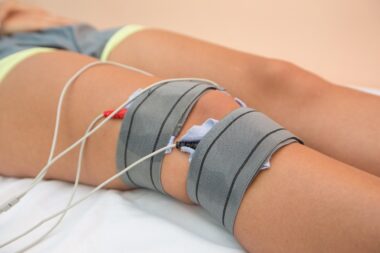
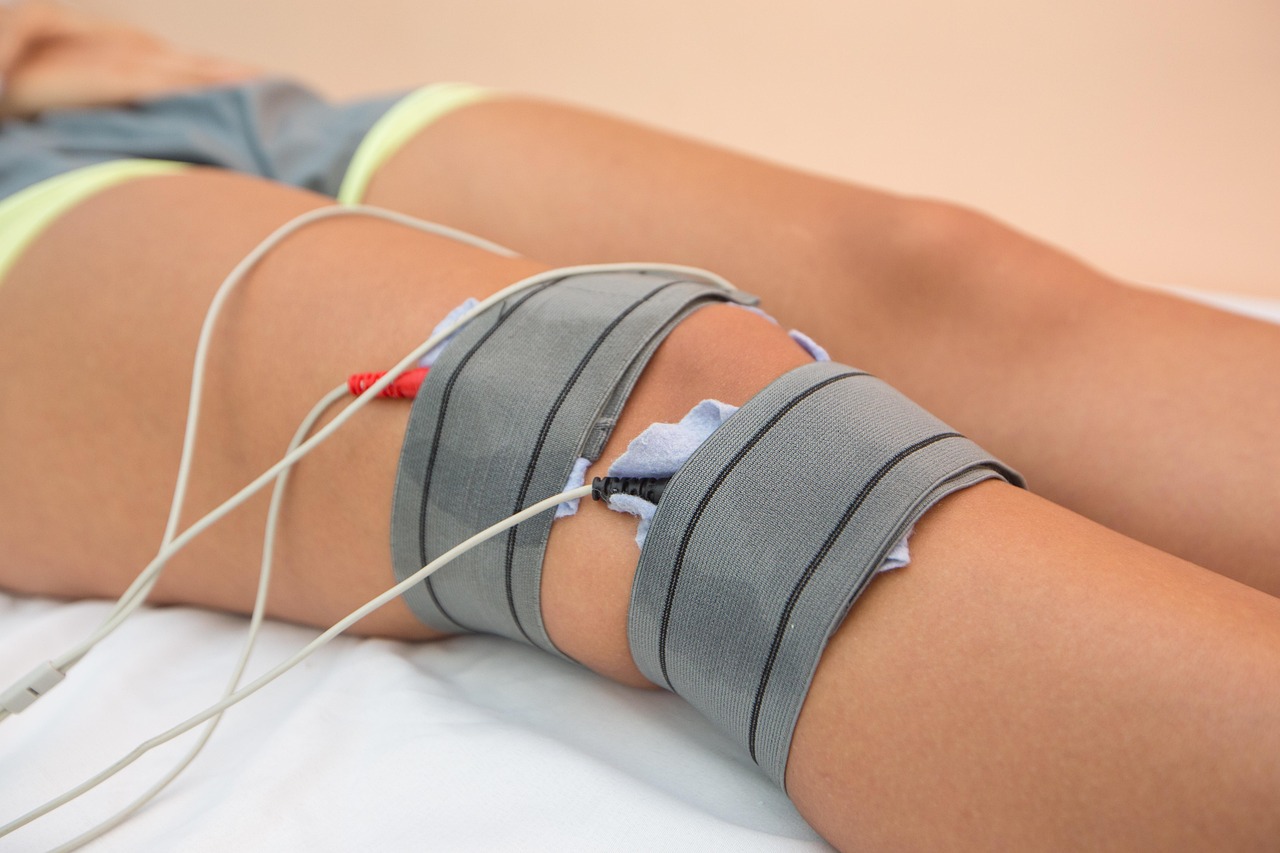
Physical therapy serves as a cornerstone in orthopedic rehabilitation, helping patients regain strength and mobility after injuries. Through personalized exercise regimens, physical therapists monitor progress closely, ensuring transformations align with recovery goals. They teach patients how to perform movements safely to avoid further injury, highlighting the importance of proper technique. Essential therapies often include strengthening exercises, flexibility routines, and proprioceptive training. These strategies are tailored to the unique needs of patients based on their diagnoses and limitations. Moreover, therapists may incorporate modalities such as ice, heat, or electrical stimulation to alleviate pain and swelling. Education regarding body mechanics is fundamental, as this knowledge helps to prevent future injuries. In addition to physical therapy approaches, psychological support is crucial in motivating patients throughout their recovery journey. Engaging in regular therapy sessions not only enhances physical capabilities but also boosts confidence in patients as they progress. Interdisciplinary collaboration among healthcare providers, including physicians and therapists, ensures a holistic approach. Understanding the gradual progression involved in rehabilitation is important for optimal recovery, marking physical therapy as an essential ally in orthopedic rehabilitation.
Following surgical interventions, orthopedic rehabilitation plays a vital role in restoring function and facilitating healing. The initial focus is on protecting the surgical site while gently introducing movement to prevent stiffness. Early rehabilitation often includes passive and active-assisted range-of-motion exercises, gradually progressing as tolerated. The timeline for rehabilitation will vary based on the type of surgery and individual patient factors such as age and overall health. Regular communication with the surgical team helps chart progress and adjust rehabilitation protocols effectively. Patients are encouraged to voice any concerns regarding pain or discomfort, as effective pain management can significantly influence recovery outcomes. As healing advances, resistance training and sport-specific drills may be incorporated to enhance strength and functionality. Reintegration into regular activities and hobbies is a shared goal among patients, therapists, and physicians. Addressing psychological aspects related to recovery, such as anxiety or frustration over limitations, is equally important. Coping strategies and support systems greatly contribute to rehabilitation success. Ultimately, the focus of orthopedic rehabilitation is to ensure patients return to their previous lifestyles or sports at the highest possible level of function, thereby promoting independence.
Common Conditions Treated in Orthopedic Rehabilitation
Orthopedic rehabilitation addresses a wide range of conditions impacting individuals daily. Commonly treated orthopedic issues include osteoarthritis, tendinitis, and sports-related injuries such as sprains or fractures. Each condition presents unique challenges that require customized rehabilitation strategies. For example, osteoarthritis often necessitates low-impact exercises to maintain joint mobility and reduce pain while improving function. Tendinitis rehabilitation typically involves centering on gradually strengthening the affected area while employing methods to decrease inflammation. Sports-related injuries often require multidisciplinary approaches that necessitate collaboration among coaches, athletes, trainers, and rehabilitation specialists to ensure a comprehensive protocol. In treating fractures, a focus on restoring bone integrity often comes first, followed by specialized exercises to regain strength and flexibility. Effective rehabilitation significantly decreases recovery time and enhances overall functionality. A thorough assessment leads to a personalized rehabilitation plan, assuring that all factors affecting a patient’s recovery are adequately addressed. Regular follow-up appointments to assess progress help tailor the rehabilitation process. Monitoring each patient’s unique progress is vital, allowing therapists to adjust treatment plans and achieve optimal recovery outcomes tailored specifically for the individual.
Incorporating active recovery techniques into orthopedic rehabilitation can significantly enhance healing. These techniques emphasize not only passive recovery but also encourage patient engagement through tailored exercise programs. Active recovery principles include gradual progression in intensity and complexity of exercises. For instance, patients may start with basic movements like ankle pumps, progressing to more dynamic activities as strength improves. Engaging in such techniques not only promotes healing but also prevents muscle atrophy and rigidity. Education surrounding the importance of staying active during recovery can empower patients to take ownership of their rehabilitation journey. Additionally, methods such as aquatic therapy can provide a beneficial environment for active recovery, reducing stress on joints while allowing free movement. Embracing these strategies fosters a proactive mindset in patients, fostering resilience in the healing process. The collaborative role of physical therapists and physicians is to ensure that active recovery techniques are safe and effective. Regular assessments help chart patient progress and highlight any necessary adjustments. Thus, this approach in orthopedic rehabilitation not only mitigates pain but also instills a sense of accomplishment as patients witness their physical capabilities returning steadily.
The Importance of Patient Education
Education is paramount in orthopedic rehabilitation, as it fosters greater understanding and compliance among patients. Through comprehensive education, patients become well-informed about their injuries and the rehabilitation processes they will go through. This understanding significantly affects their motivation, adherence to rehabilitation plans, and ultimately their recovery outcomes. Educational strategies often involve one-on-one consultations, printed materials, and online resources. Training patients on specific exercises, body mechanics, and the rationale behind each treatment phase contributes to their empowerment. When patients grasp the importance of rehabilitation and their role within it, they are more likely to participate actively in their recovery. Enhanced education also helps to dispel any misconceptions regarding therapies or treatment options, equipping patients with accurate information. Furthermore, involving family members in educational sessions can provide additional support, enriching the rehabilitation process. As patients progress, continuous reinforcement of learned concepts is crucial to maintaining focus on recovery goals. Patient education cultivates a shared decision-making environment, ensuring treatments reflect the patient’s values and preferences. Ultimately, comprehensive education paves the way for effective recovery, ensuring patients move towards a life free from pain and limitations.
Many advancements in technology have enriched orthopedic rehabilitation, improving outcomes and efficiency. High-tech equipment, such as computerized exercise machines, aids in tracking progress and ensuring accurate execution of exercises. Integrating virtual reality and gamification within rehabilitation programs engages patients actively, making exercises more enjoyable and less daunting. These innovative approaches can be motivational, particularly for younger patients who may resist traditional therapy settings. Additionally, telehealth initiatives have become increasingly important, allowing patients to access consultations without needing to visit clinics physically. Remote monitoring through telehealth enhances tracking recovery progress, ensuring that patients remain engaged in their rehabilitation processes. Wearable devices may also play a role in providing real-time data related to activity levels or pain management. These advancements streamline communication between patients and healthcare providers, enabling timely adjustments to rehabilitation plans. As technological innovations evolve, orthopedic rehabilitation becomes more individualized, catering to diverse patient needs. This modern approach combines personalized care with the latest advancements, ultimately enhancing the quality of care. The future of orthopedic rehabilitation promises even more innovative tools that will empower patients on their journey to recovery.