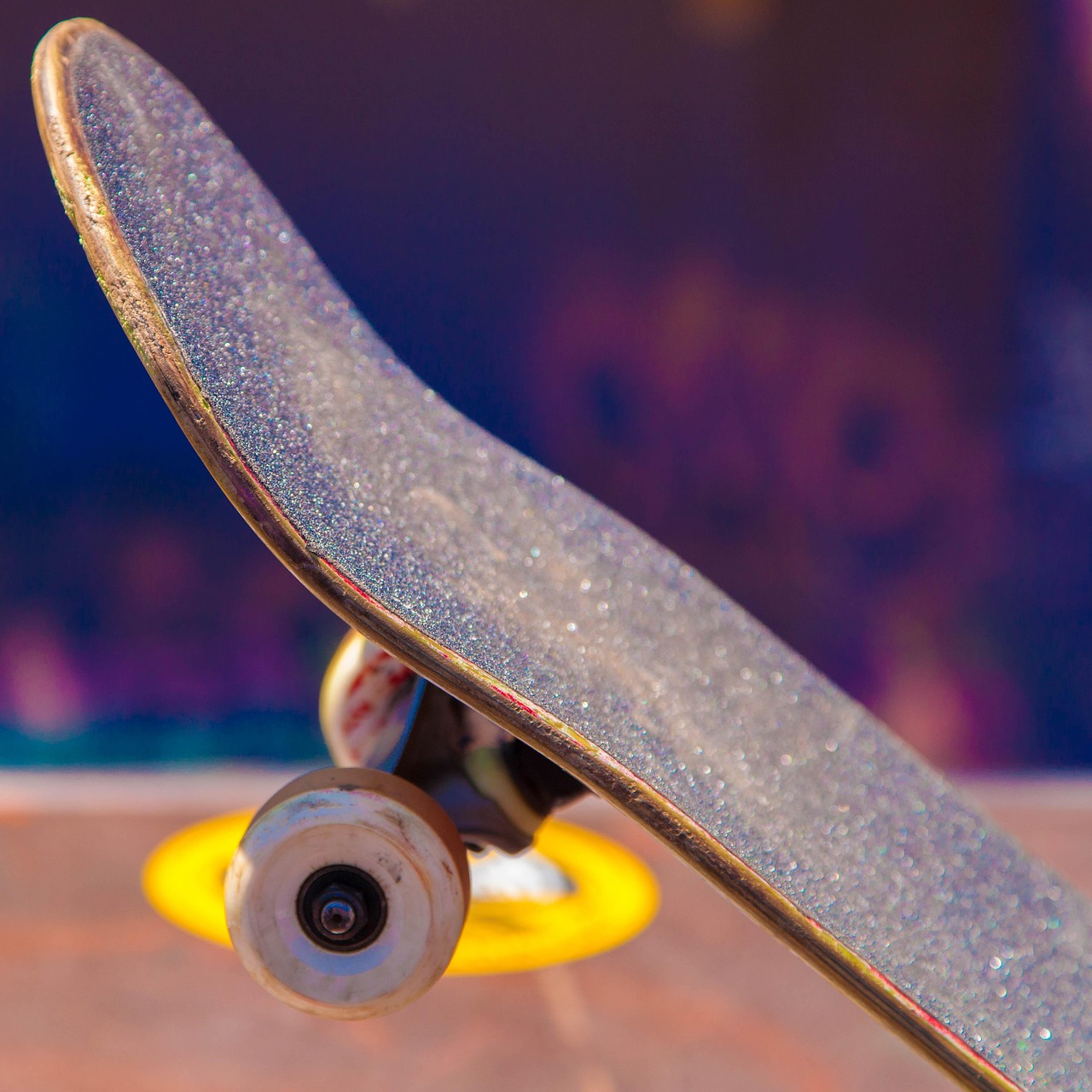

Combining Inline Skating Techniques to Enhance Vertical Skateboarding Mobility
Skateboarding has evolved significantly, especially in the vertical scene. Your mobility on ramps can greatly improve by integrating inline skating techniques. Inline skaters possess a distinctive edge due to their ability to maneuver at high speeds and execute intricate footwork. This allows them to maintain balance even on challenging surfaces. Emphasizing agility and fluid motion, inline skating provides numerous beneficial practices to enhance vertical mobility on skateboards. Key techniques from inline skating can be adapted seamlessly. For example, inline skaters frequently shift their weight to steer effectively, a strategy skateboarders can utilize too. Gaining proficiency requires time and consistency; practicing transitions and foot placement will yield better results. Consider taking time daily to hone these skills. Additionally, remember to wear protective gear for safety while practicing both sports. A proper helmet, knee pads, and elbow pads can prevent injuries. Resourcefulness in learning both techniques can double your potential. Explore online tutorials that demonstrate various movements and strategies. Such resources can enhance your understanding and provide new ways to enhance your ramp skills, ensuring a route to greater achievements in skateboarding.
Essential Techniques from Inline Skating
Many techniques from inline skating can specifically boost vertical skateboarding skills and confidence. Mastering the art of carving is one such technique; it’s crucial for maintaining speed during tricks. Inline skaters routinely lean into turns, enhancing their curve trajectory without losing momentum. This is directly applicable to skateboarders traversing ramps. Another critical aspect is the quick stop technique, which allows for precise pauses at transitional points on ramps. Inline skaters practice abrupt stops, enabling them to navigate tight spaces seamlessly. Learning to control speed is fundamental, too; slow down intentionally before attempting tricks and improve safety. Additionally, foot placement becomes vital in executing and landing tricks. Inline skaters tend to spread their feet for balance, a principle that translates well to skateboarding. By doing so, skaters stabilize during transitions, reducing the risk of falls. Finally, transitions are key areas where techniques overlap. Inline skaters maximize efficiency while switching directions, which skateboarding can also benefit from. Rapidly moving between various orientations while maintaining flow is crucial. Incorporating these foundational inline techniques will elevate your vertical ramp skills and prepare you for bigger challenges.
Assembling a toolkit of techniques is foundational to enhancing your vertical skating experience. Advancing techniques from inline skating does not require you to abandon skateboarding. Instead, work on integrating aspects gradually into your routine. Begin with basic tricks before attempting more advanced maneuvers. Focus on kickturns and grinds; these will build your confidence. Adjustable elements of inline skating can also influence how you approach a skateboard ramp. For instance, practicing balance and control while shifting your weight is something every skater should master. Inline skaters also utilize their upper bodies more than skateboarders typically do. Incorporate upper body movements to build momentum, resulting in technique improvements. Skills like pushing off will feel easier once adapted. Experimenting with your personal style fosters versatility in various skating environments, from street to vert. The transition between inline skills and skateboarding can seem daunting. Regular practice promotes instinct and fluidity, which are essential. Networking with local skating communities can facilitate learning; observing peers provides fresh insights. Learning with others can motivate your progress. With effort and focus, merging inline techniques can lead to more dynamic and agile skateboarding experiences over time.
In addition to skill integration, fitness and conditioning play essential roles in mastering vertical skateboarding. Inline skating naturally promotes core strength, so developing stability through mobility exercises is valuable. Integrating core workouts into your training regimen is crucial for powerful and controlled landings. Strong core muscles will help with body control and positioning on ramps. Furthermore, focus on leg strength to improve jumps and tricks. Stronger legs result in better push-offs and smoother landings. Activities like squats and lunges are effective for skateboarding. They help build endurance, ensuring you remain agile throughout your skating sessions. Furthermore, flexibility cannot be overlooked; it enhances overall motion quality and reduces injury risks. Dynamic stretches help prepare your body before sessions, while static stretches improve recovery afterward. Alternatively, practicing yoga can enhance balance and stability. It aids in controlling energy flow, which positively impacts trick execution. Investing time in off-skate workouts will ultimately pay dividends in your skateboarding overall performance. Recognize that versatility is paramount: combining inline skating techniques, fitness conditioning, and innovative training methods will maximize efficiency and enjoyment in your vertical skateboarding pursuits.
Building a Routine for Success
Establishing a structured routine is vital to improve your skills and integrate inline skating techniques efficiently. Consistency matters; practicing on and off the board should be intentional and focused. Devise a training schedule that allocates time for both skateboarding and inline skating practice. During your sessions, dedicate specific times to practicing individual techniques such as footwork, balance drills, and tricks. Recorded sessions can help assess progress; review each session to identify areas for improvement. Furthermore, consider setting personal goals to track your development. Goals may include mastering a new trick or improving your speed on ramps. Tracking progress keeps motivation high and identifies specific skill areas. Each skate session, it’s wise to incorporate different techniques. Alternate between inline tricks or techniques in combination with skateboarding maneuvers. Challenge yourself regularly to ensure adequate progress. Whether on street ramps or in a skatepark, find locations that facilitate your skating goals. To avoid stagnation, vary your environments and practice conditions. Interacting with different surfaces will enhance adaptability and skills in various settings. Balancing both inline skater experiences with skateboarding adds excitement and innovation to your sessions.
As you journey through combining inline skating techniques with vertical skateboarding, remaining patient is essential. Progress might feel slow at times, and that’s entirely normal. Everyone’s learning curve differs, so focus on celebrating small victories. With regular practice, your skills will develop over time. Seeking feedback from experienced friends or skate coaches can accelerate your journey. They can provide constructive tips on technique. Also, remember community events organized at local skate parks. These events can offer opportunities to improve your skills with valuable peer feedback. Engaging with other skaters fosters camaraderie and accelerates the learning experience. They may share valuable tricks or insights that can help refine your performance and understanding. Attending workshops or clinics hosted by professionals can also deepen your knowledge of both sports. Finding resources like online classes or instructional videos can significantly improve your learning. Each workout or skate session will ultimately contribute to holistic growth. Embrace the challenges and enjoy the process of evolving as a skater. Watching your skills grow will inspire you to keep pursuing exciting challenges within the realm of vertical skateboarding!
Conclusion: Embrace the Journey
In conclusion, integrating inline skating techniques into your vertical skateboarding opens doors to better mobility and control. Each practice session becomes a step towards mastering new tricks and improving overall fluidity on ramps. Focus on building a strong foundation; apply the various skills learned from inline skating progressively. These newly acquired techniques will enhance your skateboarding experience, unlocking greater potential on ramps. As you blend these disciplines, appreciate the unique culture that binds both sports. With commitment and practice, excellent skills await. Enlist the help of fellow skaters to elevate your learning journey. Shared experiences with other enthusiasts can provide inspiration for tackling new challenges. Remember to stay committed to your interdisciplinary training regimen while allowing sufficient time for recovery and physical conditioning. Balancing skateboarding and inline skating enhances versatility and adaptability. This not only brings enjoyment but also improves technical skills across both disciplines. Embrace the journey; every session is a chance to learn, grow, and explore new heights in your skateboarding adventure. Celebrate progress, and prepare for exciting learning experiences awaiting you ahead as you integrate your skating techniques!