
Group Functional Fitness Classes for Social Seniors
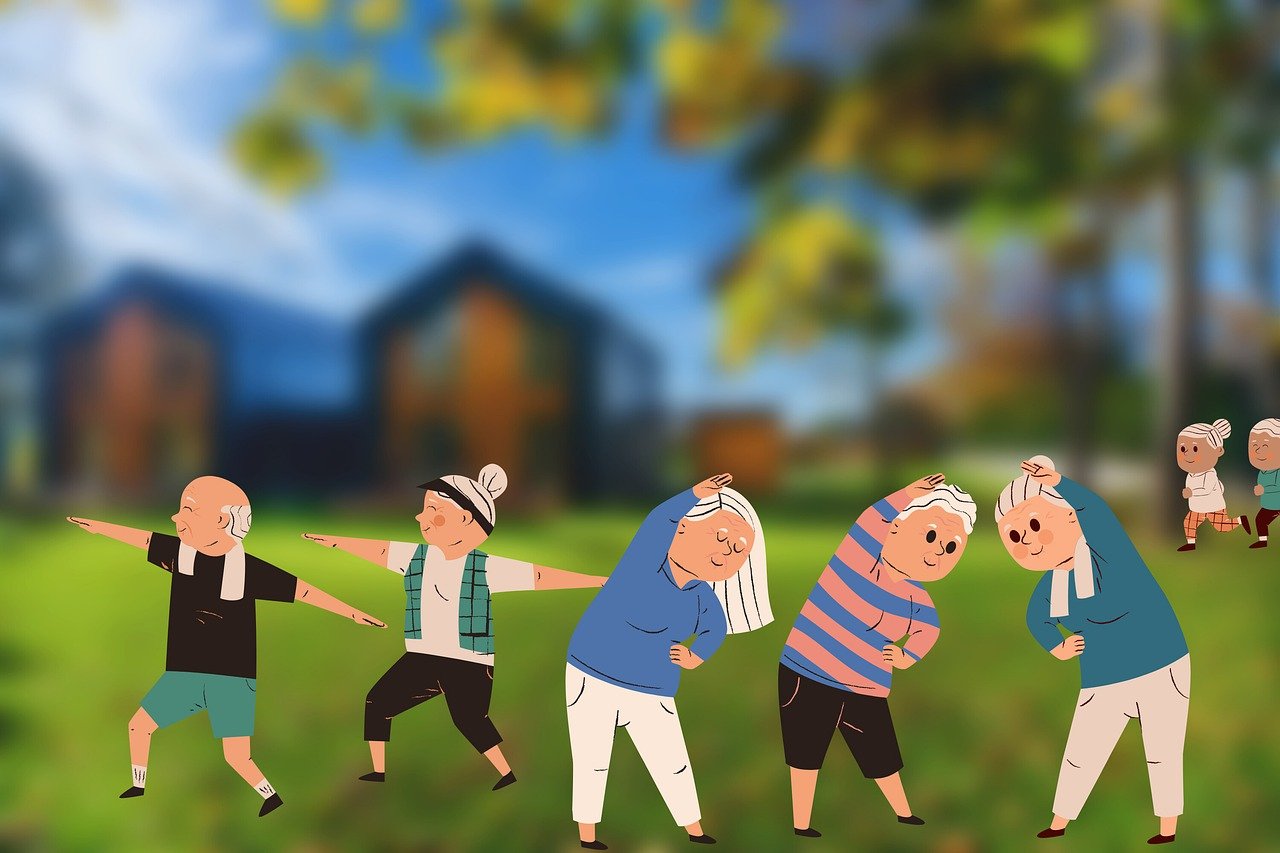
Group functional fitness classes are a fantastic way for seniors to stay active while enjoying social interaction. These classes are designed specifically with the unique needs of older adults in mind, focusing on movements that are essential for daily life. The workouts include exercises that enhance balance, strength, and flexibility, which are vital for independence. Each session is tailored to the varying fitness levels of participants, ensuring everyone can join in comfortably. Group settings also foster a sense of community, which can significantly enhance emotional well-being. Rather than working out alone, seniors can bond over shared experiences and motivate each other. Some classes even incorporate fun elements like music and light-hearted competitions, making exercise enjoyable rather than a chore. Socializing helps combat feelings of loneliness and isolation that are common among seniors. Additionally, having a regular class schedule encourages commitment to fitness. As participants notice improvements in their physical abilities, they often experience a boost in self-esteem. Hence, group functional fitness classes serve dual purposes – enhancing physical health as well as providing valuable social opportunities for seniors who wish to engage with their peers.
One key element of group functional fitness classes is the opportunity for personalized modifications. Instructors are trained to understand how to adapt various exercises to meet each senior’s needs. For example, if a participant has limited mobility, instructors can provide alternative movements that still offer benefits without risk. This ensures that everyone can partake, irrespective of fitness level or any existing injuries. The emphasis is on functional movements, which include actions like squatting, reaching, and twisting, mimicking everyday activities. This functional approach helps seniors perform daily tasks with greater ease. Moreover, working in a group provides immediate feedback from peers and instructors, generating a supportive environment where seniors feel encouraged. Gentle encouragement can significantly impact motivation levels. Attendees often report enjoying the camaraderie that develops in group classes, enhancing retention rates. It’s not uncommon for friendships to grow among participants, further building a community atmosphere. Happy social interaction can even make each workout feel less daunting. In effect, these classes help create bonds that can extend outside the studio, fostering a greater sense of belonging that transcends fitness, making the overall experience rewarding.
Health Benefits of Functional Fitness
Engaging in functional fitness training provides a variety of health benefits specifically suited for seniors. One of the most notable benefits is improved cardiovascular health, which is essential for aging individuals. Engaging in regular group exercise also helps enhance muscular strength, which gradually declines with age. Strengthening exercises aid in fortifying bones, reducing the risk of injuries such as fractures. Increased flexibility is equally important; stretching exercises contribute to reduced stiffness and better joint health. Furthermore, regular participation can positively influence mood and mental health, which tends to suffer with age. Exercise stimulates the release of endorphins, which are natural mood lifters. Social contact in these classes can also alleviate feelings of anxiety and depression that some seniors experience. Beyond individual benefits, these classes promote a culture of active living within local communities. When seniors participate in functional fitness classes, the visibility of active seniors can encourage others to explore fitness options. The ripple effect can be profound, leading to healthier communities overall. By recognizing the multitude of benefits that functional fitness provides, seniors can make informed decisions about their physical health and social engagement.
Another significant advantage of group functional fitness classes is accessibility. Many community centers and fitness facilities offer affordable classes tailored for seniors, focusing on promoting healthy lifestyles. These institutions understand the financial constraints that some seniors face and strive to make classes affordable. Some facilities even provide scholarships or sliding scale fees based on income, ensuring that everyone can participate. This approach fosters inclusivity within the fitness community, allowing seniors of all backgrounds to benefit. Also, the convenience of location plays a pivotal role. Classes often take place in familiar neighborhood settings, reducing barriers related to transportation. Participants can often attend classes close to home, eliminating additional stress. Some classes may even offer virtual options, allowing those who prefer remote participation to stay connected and engaged. The rise of technology has provided platforms where seniors can join classes from the comfort of their homes. Having multiple options appeals to a broader audience, including those with mobility limitations. Making fitness accessible to seniors ultimately contributes to a healthier, more vibrant population. Therefore, accessibility remains a key component of successful group fitness programs designed for older adults.
Creating a Welcoming Environment
To foster a successful group functional fitness environment, the importance of a welcoming atmosphere cannot be overstated. Instructors play a crucial role in establishing a comfortable and encouraging space. Their ability to engage participants with kindness can significantly affect class participation. New attendees may feel intimidated; hence, instructor preparedness can alleviate such fears. Effective communication goes a long way, including using appropriate language that emphasizes positivity and inclusivity. Acknowledging each individual’s effort and progress will promote self-confidence and encourage them to keep coming back. Utilizing various activities within the classes can maintain interest, making each session feel dynamic. Mixing up routine exercises with games and group challenges brings fun into the workout. Surprise guest instructors or themed classes can also create excitement. Encouraging participants to suggest their favorite activities can promote ownership of the class dynamic. Ultimately, creating a welcoming environment leads to increased participation and improved emotional health among attendees. It allows seniors to feel valued as members of the community, motivating them to prioritize fitness while building lasting relationships. The emphasis on warmth helps ensure that classes are not just about exercise but serve as enjoyable social gatherings.
Nutrition plays an integral role in conjunction with functional fitness for seniors. Pairing regular exercise with healthy eating habits can amplify the benefits gained from group classes. Participants ought to consider nourishing their bodies with a balanced diet rich in fruits, vegetables, whole grains, and lean proteins. Likewise, staying hydrated during and after class is essential for overall health. Encouraging discussions about nutrition during classes, such as predictions on meal planning or healthy recipes, can boost interest. Many seniors may be unaware of how crucial nutrition is in supporting their fitness journey. Providing resources or inviting nutritionists to offer insights can enhance the overall experience. Additionally, social events such as healthy cooking classes or potlucks can further strengthen bonds among participants while promoting healthy habits. Having shared meals strengthens connection and allows attendees to support one another’s dietary goals. Integrating discussions about nutrition within functional fitness classes fosters a holistic approach to health. It emphasizes that fitness isn’t solely about physical activity; rather, it encompasses a multifaceted lifestyle that promotes overall well-being. Consequently, such integration leads to healthier lives that reflect not just fitness but comprehensive health.
Overcoming Barriers to Participation
Many seniors face various barriers when considering participation in fitness classes, but awareness and proactive measures can encourage attendance. Common concerns, such as mobility challenges or apprehensions about the exercises performed, can hinder willingness. It is crucial for class organizers to address these concerns directly. Options for low-impact exercises and supportive equipment can eliminate fears. Showcasing success stories from other seniors who have thrived in these classes can provide significant encouragement. Understanding that other seniors share similar reservations can foster camaraderie and help break down barriers. Continuous communication regarding class benefits can motivate participants to overcome initial fears. Additionally, outreach programs that connect with seniors in their communities can help identify potential participants who could benefit. Engaging caregivers and family members will often provide additional support and encouragement. Hosting open houses or trial classes allows seniors to experience the environment without commitment, building familiarity and comfort. Ultimately, understanding the diverse barriers that seniors face can lead to targeted strategies promoting class participation. Creating solutions enables seniors to take their first steps toward a healthier lifestyle and a more active community.
In conclusion, group functional fitness classes for seniors encompass much more than just physical exercise. They provide valuable social opportunities, mental health benefits, and a supportive community. By fostering friendships and belonging, these classes significantly enhance the quality of life for older adults. Group environments elevate motivation levels and participation while providing expert guidance in a safe space. Many seniors find immense joy in connecting with peers over shared activities while improving their physical abilities. The multitude of benefits emphasizes the need for such programs within communities. Their structure encourages accessibility, adaptability, and inclusivity, promoting overall health awareness. With a focus on well-being, seniors can live vibrant, fulfilling lives. Moreover, by seamlessly integrating nutrition and supportive practices, we can assist seniors in flourishing in their golden years. Thus, classes encourage not only physical wellness but also emotional and social engagement to nurture comprehensive health. Engaging in functional fitness is a proactive choice that paves the way for continued independence and vitality. Therefore, fostering these classes should remain a community priority to ensure that seniors thrive. Through committed efforts, everyone can work together to support the active and joyful lives seniors deserve.