
Using Foam Rollers to Enhance Flexibility in Calisthenics
Calisthenics is a dynamic form of exercise that emphasizes bodyweight movements, helping individuals to gain strength and flexibility. Flexibility is a crucial aspect, enabling smoother and more efficient movements. One of the most effective tools to enhance flexibility in calisthenics is the foam roller. This simple piece of equipment aids in self-myofascial release, helping to alleviate tension in the muscles and improve overall range of motion. By regularly incorporating foam rolling, athletes can significantly benefit their flexibility training sessions. Foam rolling can increase circulation and facilitate muscle recovery, which means improved performance in your calisthenics routines. It breaks down knots and adhesions in the fascia, promoting better muscle elasticity. To maximize these benefits, proper techniques and timing with the foam roller are essential. Consistent usage before and after workouts can prepare muscles and promote recovery. As flexibility improves, movements like splits, handstands, and muscle-ups become more attainable. In this article, we will delve deeper into effective foam roller techniques and how they significantly impact flexibility, aiding calisthenics enthusiasts on their journey to greater physical performance.
Benefits of Foam Rolling for Flexibility
Foam rolling has been shown to provide numerous benefits, particularly in relation to flexibility. First and foremost, it effectively targets fascia, which envelops your muscles and is crucial for maintaining muscle health. Regular foam rolling breaks down scar tissue that can develop in muscles and tendons over time, thus enhancing flexibility. Moreover, it helps to alleviate soreness post-workout, allowing for quicker recovery time between training sessions. This ensures that your muscles are more prepared for subsequent workouts, which is particularly beneficial in a demanding routine like calisthenics. Improved flexibility results not only in better performance but also in reduced risk of injuries, which is something every athlete should aim for. By reducing tightness, foam rolling also enhances the overall effectiveness of stretches. Integrating foam rolling into your flexibility routine not only prepares your muscles for stretching but also makes the stretches themselves more effective. This combination helps athletes achieve their flexibility goals more efficiently, improving the ability to perform various calisthenics movements with ease and confidence.
To effectively use foam rollers for flexibility in calisthenics, understanding various techniques is vital. One popular technique involves rolling over specific muscle groups methodically, applying controlled pressure to targeted areas. Begin by identifying tight spots in the muscles, often referred to as trigger points. By gently rolling over these areas, you can provide a direct and focused release. It is essential to maintain a steady pace and breathe deeply throughout the process to enhance relaxation and effectiveness. When rolling, focus on larger muscle groups, including the hamstrings, quads, calves, and glutes, which play a significant role in flexibility. Another useful technique is to perform foam rolling after workouts, which can help alleviate post-exercise muscle soreness. This practice will not only increase circulation but also enhance your body’s natural recovery processes. You may also want to hold on a specific tight area for 20-30 seconds to allow the muscle to fully release. By being consistent with these practices, you will notice a gradual improvement in your overall flexibility and range of motion when performing calisthenics.
Incorporating Foam Rolling into Your Routine
Integrating foam rolling into your calisthenics routine is straightforward and can be adapted to fit your training schedule. It’s wise to dedicate specific time before and after workouts to include foam rolling. For optimum results, set aside at least 10-15 minutes before your workout to warm up your muscles with the roller. This pre-workout application helps to prepare your body for the physical demands of calisthenics, reducing the likelihood of injury. Additionally, aim to perform foam rolling after training, as this assists in muscle recovery. Perform each rolling technique for around 1-2 minutes on each muscle group. Experiment with different rollers, such as high-density or vibration foam rollers, to discover which works best for you. Personal preferences vary, so finding the right roller can significantly impact your comfort during foam rolling and enhance its effectiveness. By being diligent and consistent, you can track your progress and notice improvements in flexibility. Ultimately, adding foam rolling to your routine can help you achieve your desired flexibility goals in your calisthenics journey.
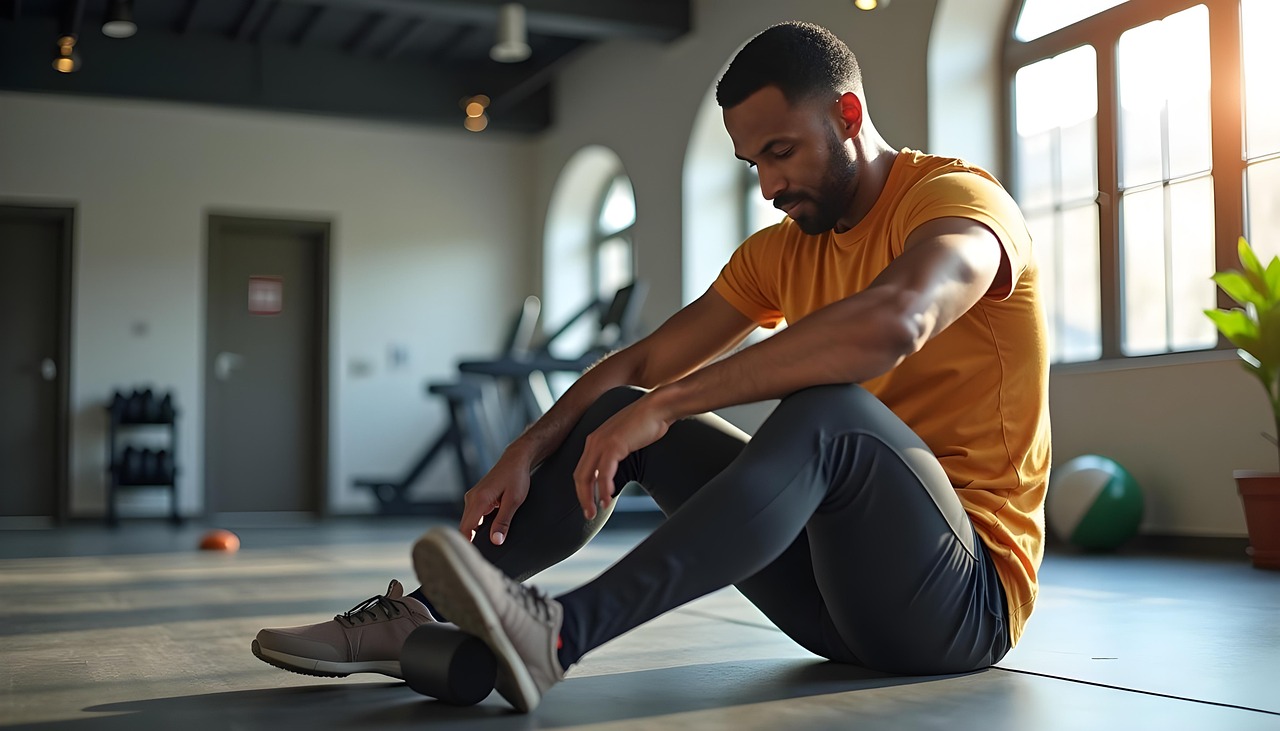
Proper form is key when performing foam rolling, as it directly impacts its effectiveness. Ensure you’re maintaining good posture while rolling, as this can prevent potential injuries caused by improper alignment. Begin by staying in a versatile position, such as seated or lying on the ground, ensuring the roller is positioned close to the area you wish to target. As you roll across your muscles, control your movements and apply enough pressure without feeling pain. Remember that foam rolling may cause some discomfort, but it should never be excruciating. During the process, maintain a steady breathing pattern to help relax your muscles and facilitate the release of tension. Be mindful of your body’s responses, and adjust your pressure accordingly. If you experience pain or discomfort beyond a manageable level, it’s likely a sign to ease off. Incorporate rolling into your flexibility training can enhance benefits and foster a community of like-minded individuals who prioritize recovery and flexibility, thus supporting each other towards achieving greater calisthenics performance.
Common Mistakes to Avoid
As with any practice, there are common mistakes when foam rolling that can limit its benefits. One frequent error is rolling too quickly, which doesn’t allow the muscles enough time to release tension properly. Instead, take your time, and allow the foam roller to really work into each muscle to maximize effectiveness. Another mistake is neglecting to breathe; tight muscles often correlate with shallow breathing, which can contribute to further tension. Focus on maintaining a deep breathing pattern while incorporating foam rolling to ensure relaxation. Additionally, many individuals make the mistake of not targeting specific muscle groups, instead rolling aimlessly. By concentrating on tight areas and trigger points, you’ll notice more significant improvements in flexibility and comfort. Lastly, rolling surfaces that are too hard or too soft is another common error. Selecting a roller that suits your preference and suits your muscle needs is essential for success in foam rolling. Avoiding these pitfalls promotes a successful foam rolling experience, contributing to enhanced flexibility and overall performance in calisthenics.
As your flexibility improves with regular use of the foam roller, you can begin incorporating more advanced techniques into your calisthenics flexibility routine. For instance, you could start to incorporate dynamic stretches immediately after foam rolling to further enhance your flexibility. This technique capitalizes on the relaxed state of the muscles post-rolling, allowing for a deeper stretch. Furthermore, combining foam rolling with breathwork and mindfulness can elevate your overall experience. Prioritizing the mind-body connection during your sessions will not only benefit your flexibility but also enhance your mental state and focus during workouts. You may also explore integrating foam rolling into your warm-up or cooldown routines, allowing greater synergy throughout your training. As you become more familiar with different techniques, listen to your body to adjust your rolling patterns as necessary. Achieving greater flexibility is a continuous journey where you can invite peers to join you for group foam rolling sessions. Together, sharing experiences can lead to new insights and strong relationships that further motivate both individuals and groups looking to achieve flexibility goals in calisthenics.
In conclusion, foam rolling presents numerous benefits for flexibility in calisthenics, making it an invaluable tool in any athlete’s routine. It aids in muscle recovery, alleviates soreness, and allows for greater ease of movement, ultimately enhancing performance. By committing to regular foam rolling practices, incorporating effective techniques, and maintaining proper form, calisthenics enthusiasts can achieve improved flexibility over time. Avoid common pitfalls and be mindful of your body’s response as you work towards your goals. Embrace the journey, invite others to share in your experiences, and celebrate milestones along the way. As flexibility continues to improve, not only will it help you perform calisthenics movements with precision, but it will also cultivate a deeper connection to your body. Remember that this is a marathon, not a sprint, and finding joy in the process is key. Your flexibility journey can greatly enhance your overall calisthenics practice, supporting you in achieving desired outcomes and fostering long-term enjoyment in your fitness pursuit. In the end, embracing foam rollers as a vital aspect of training will undoubtedly empower your overall growth in calisthenics.