
Trail Running with Dogs: Tips and Safety Measures
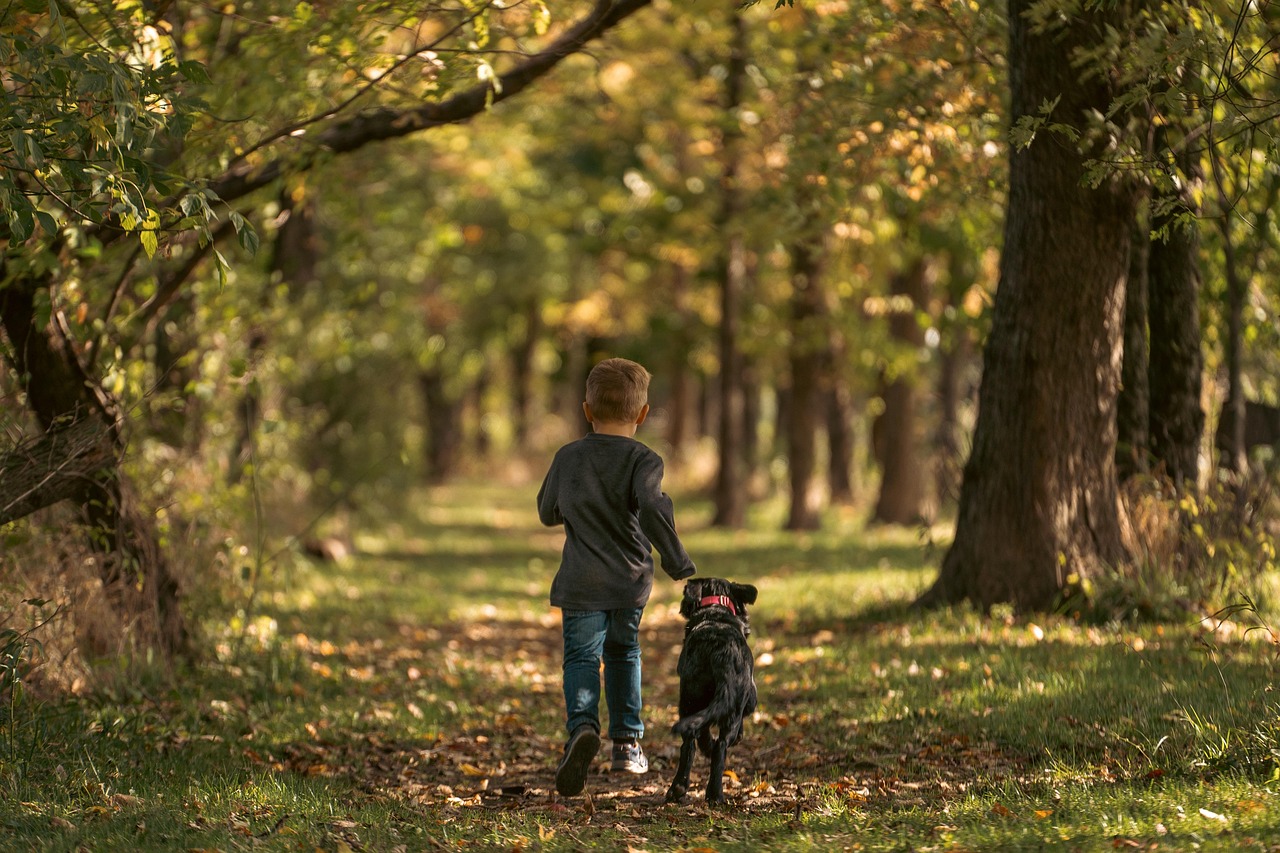
Trail running with your dog can be an exhilarating experience that fosters a strong bond between you and your furry friend. Before hitting the trails, it’s essential to prepare adequately to ensure both you and your dog have a safe adventure. Research local trails that are dog-friendly, as not all parks allow dogs on their paths. It’s vital to check the leash laws and conditions of the trails you plan to run, as some areas may have restrictions or specific rules regarding dogs. A solid understanding of the route can help you identify potential hazards like steep drops, water crossings, or wildlife that could pose risks to your dog. Always prioritize your dog’s comfort by keeping an eye on the terrain and ensuring the temperature is suitable for your run. Dogs can overheat or suffer from paw injuries on rough surfaces, leading to health risks. Therefore, invest in quality running gear designed for both you and your dog. Make sure to carry enough water for both yourself and your dog during the run to stay hydrated, especially on warm days.
When you embark on a trail run with your dog, various safety measures can ensure a smooth journey. First and foremost, a well-fitted harness is preferable to a collar for trail running. Harnesses distribute pressure more evenly across your dog’s body, reducing the risk of injury. Additionally, some harnesses come equipped with reflective strips, enhancing visibility in low-light situations. Always remember to bring along doggy bags to clean up after your pet. It’s not only a good practice but essential for maintaining a clean environment. Before you start your run, take time to warm up. Dogs, like humans, need to stretch and prepare their muscles. Engaging in a brief warm-up routine can help reduce the risk of injuries for your dog. Keep an eye on your dog’s behavior during the run. If your dog shows signs of fatigue, or distress, or starts to lag behind, it’s crucial to stop and assess the situation immediately. Running should be a fun activity for both of you, and pushing beyond capabilities can spoil the enjoyment.
Choosing the Right Gear for Trail Running
Choosing the appropriate gear is paramount when trail running with your dog. For yourself, invest in good-quality trail running shoes that provide excellent traction and comfort. Look for shoes that offer ample support and cushioning, reducing the impact on your knees and joints. For your dog, consider purchasing booties. These are especially important if you plan to traverse rocky or abrasive terrains. Booties protect their paws from cuts and abrasions, ensuring a more comfortable experience. Some booties are also designed to provide traction on wet or slippery surfaces. Additionally, a good hydration pack for you can be invaluable. It allows you to carry water, snacks, and other essentials, freeing your hands for a more natural running form. Depending on the climate, you may also want to think about weather-appropriate gear for your dog. A lightweight cooling vest for the summer months can help regulate body temperature, while insulated jackets can provide warmth in colder conditions. Carry a first-aid kit suitable for both humans and dogs, which can be a lifesaver in unexpected situations.
Pay close attention to your dog’s health when trail running. Regular veterinary check-ups are essential to ensure your pet is fit for such activities. Discuss the intensity and duration of your runs with your veterinarian, as some breeds are better suited for long-distance trail runs compared to others. For example, breeds like Labradors or Siberian Huskies typically thrive on extended trail runs, while small or brachycephalic breeds may struggle due to their respiratory limitations. Periodically assessing your dog’s weight is also crucial, as overweight dogs can easily face injuries or health complications. Monitor their energy levels consistently; if you notice any unusual fatigue or behavior changes, take it as a sign to pull back. Often, dogs communicate their needs through their behavior, so staying attuned to them during your run can help prevent overexertion. It’s also essential to be aware of the seasonal changes in trail conditions, as weather can dramatically affect trail accessibility and safety. Snow, mud, and heavy rainfall can create challenging terrains that might not be suitable for running with your dog.
Identifying Trail Hazards and Risks
Trail running can expose both you and your dog to various hazards. One significant danger is wildlife encounters. Many trails host wildlife like deer, snakes, or even bears, so it’s wise to keep your dog on a leash to prevent encounters that could lead to injuries. Failing to control your dog in unfamiliar territory can result in unexpected chasing or confrontations. Additionally, many trails feature steep inclines or declines, which can pose falling hazards for both runners and pets. Always opt for trails that match your fitness level and that of your dog. Look out for obstacles like fallen branches, rocks, or even hidden dips that could trip you up. Rain or after heavy snowmelt can create slippery conditions, so adjust your pace and pay close attention to your footing. Another risk is dehydration, especially during hotter months; ensuring you frequently provide water for your dog is vital. It’s also worth considering ticks and fleas, which can pose health issues. After each run, conduct a thorough check of your dog to ensure they are tick-free, and consult your veterinarian about tick prevention.
Trail running etiquette is a crucial aspect of enhancing your outdoor experience. Always be respectful to other trail users by keeping your dog on a leash when required. Numerous trails have specific leash laws, and adhering to these rules ensures everyone enjoys their outdoor experiences safely. When encountering other runners or hikers, running with dogs requires additional caution. Always yield the trail to hikers as they have the right of way, allowing them to pass safely. Communicating clearly with others can prevent misunderstandings; a friendly wave or nod can suffice. If your dog tends to be reactive due to excitement or anxiety, consider using a basket muzzle for additional control. This can help prevent sudden lunging or barking. Educate yourself about the other trail users to prevent conflict. Understanding their rights, particularly regarding bicycles, can lead to smoother interactions. Remember that everyone has come to enjoy the great outdoors. Lastly, always carry out whatever you bring in, including dog waste, to keep the trails clean and enjoyable for all. This is essential to preserving the natural beauty of the area.
Training Your Dog for Trail Running
Training is key to success when it comes to engaging in trail running with your dog. Start with basic obedience training to ensure your dog can respond to commands such as sit, stay, and come. A well-trained dog that follows commands is less likely to chase wildlife or stray off the path. Gradually introduce your dog to trail running by starting with shorter, less challenging routes. This will allow both you and your dog to build stamina and get acclimated to each other. As your dog becomes more comfortable, gradually increase the distance and complexity of the trails. Consistency in training can help immensely; set a regular schedule for running to develop a routine. Use positive reinforcement to reward good behavior during your runs, which will encourage them to remain focused and engaged. Also, it’s crucial to include rest days to prevent overworking your dog and allow for recovery. Lastly, socializing your dog with other dogs and people during these runs can help them develop confidence and the ability to navigate social interactions more effectively, ultimately enriching your trail running experience.
In conclusion, trail running with dogs can lead to unforgettable memories and bonding experiences. Implementing proper safety measures, choosing the right gear, and understanding your dog’s needs are essential for a successful outing. Training your dog appropriately for trail running and recognizing potential hazards will minimize risks and elevate the overall enjoyment of the activity. Each adventure offers learning opportunities for both you and your dog, as you explore the beauty of nature together. Remember to respect trail etiquette and ensure a clean environment for everyone. By being prepared, you can create a positive experience for yourself and your canine companion, allowing both of you to thrive in this rewarding activity. Connecting with nature through trail running not only improves your physical health but also fosters mental and emotional well-being for both you and your dog. Keep the spirit of adventure alive by exploring new trails and areas, pushing your limits, and discovering hidden gems in nature. Make each run a memorable journey full of fun, exercise, and boundless joy. Embrace trail running, and let your dog accompany you on many fabulous adventures!