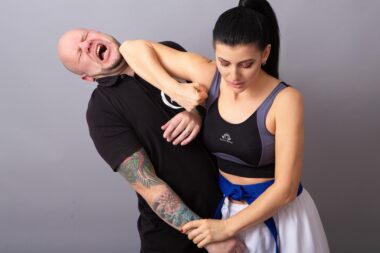

Using Throws and Takedowns Against Multiple Opponents
In situations where multiple attackers are present, effective self-defense training can utilize throws and takedowns. Understanding how to apply these techniques against more than one opponent is essential for personal safety. The focus should be on creating distance and neutralizing threats efficiently. A throw can disrupt the balance of an attacker, causing them to lose their footing, while allowing you to reposition. Takedowns, on the other hand, can incapacitate an opponent while simultaneously providing an opportunity to escape or defend against the others. In mixed martial arts and self-defense classes, practitioners are often taught the fundamentals of body mechanics and leverage, which are pivotal in applying these techniques successfully against multiple attackers. Furthermore, it’s crucial to develop situational awareness to anticipate movements and plan accordingly. Employing throws and takedowns should always be practiced under qualified supervision to ensure safety. Moreover, regular training can enhance muscle memory and improve reflexes, giving you an advantage in high-pressure scenarios. Ultimately, mastering these techniques can empower individuals, boosting self-defense capabilities against overwhelming odds.
Prioritizing self-defense training involving throws and takedowns can significantly enhance your ability to deal with multiple attackers effectively. Proper technique is essential for achieving the desired outcome. A successful throw requires an understanding of an opponent’s body weight and center of gravity. The optimal execution of a throw can lead to a clear pathway for escape while keeping attackers off-balance. It’s also important to recognize that timing is crucial. When faced with more than one opponent, striking swiftly can prevent further escalation. Takedowns should be executed in such a way that they disable the attacker temporarily. Combining throws with defensive movements helps maintain distance, reducing the chances of being cornered. Furthermore, practicing various scenarios can prepare individuals for different types of attacks. For example, side attacks, frontal assaults, and even rear threats should be practiced consistently. Drilling techniques repeatedly in a safe environment increases effectiveness during actual confrontations. Additionally, participants should focus on increasing their physical fitness to enhance stamina and strength, which plays a vital role in performing throws and takedowns successfully when overwhelmed. Empowerment through training boosts confidence, preparing individuals for real-world threats.
The Importance of Balance and Right Technique
Balance and precision are critical factors when utilizing throws and takedowns, especially during confrontations with multiple opponents. During a self-defense situation, a solid base can provide better leverage for executing techniques efficiently. Techniques that leverage balance rely on effectively transferring weight to destabilize the attacker. Proper footwork also enhances mobility and enables one to execute throws without unnecessary risks. Emphasizing timing during practice sessions ensures an individual can react quickly under pressure. Additionally, employing angles in movements will help evade direct attacks from other attackers while maintaining focus on the initial threat. While striking might seem like an obvious response, using throws can serve as a distraction, providing opportunities to disengage and navigate through the attackers strategically. Furthermore, the mental aspect of balance is often overlooked; remaining calm in tense situations directly impacts the ability to think critically and react. Proper visualization and mental rehearsal of techniques can lead to improved execution during unexpected encounters. Training with peers can allow for real-time feedback, helping to refine skills effectively and ensuring that the incorporation of throws and takedowns becomes second nature in self-defense scenarios.
The psychological aspect of engaging multiple attackers in self-defense scenarios cannot be overlooked. Confidence plays a significant role in how effectively one can apply techniques such as throws and takedowns. When individuals feel knowledgeable about their skills, they are more likely to engage decisively. Situational awareness must also be developed during training; being mindful of the environment can provide critical advantages. Utilizing objects around you as improvised barriers or shields can serve to break an attacker’s momentum. Additionally, incorporating self-defense props can help reinforce effective techniques during practice sessions. Pain compliance through throws or takedowns emphasizes control and dominion over an assailant, reducing the chances of escalation. For beginners, starting slow with controlled training sessions allows them to grasp the essence of throws and how they apply to real-life situations. It’s vital to remember that while learning techniques is essential, one’s mindset must be equally trained. Enthusiastic participation in self-defense classes cultivates a community that supports empowerment. Engaging trained instructors fosters correct technique understanding while cultivating a shared sense of purpose among participants. Ultimately, comprehensive self-defense training enhances one’s ability to navigate through conflicts effectively.
Tips for Training Effectively
To maximize the benefits of self-defense training involving throws and takedowns, focus on consistency and constructive feedback. Regular attendance in classes builds muscle memory, enhancing overall skill application when confronted by multiple attackers. Practicing with varied partners exposes individuals to different styles and body types, reinforcing adaptability. Additionally, pairing with more experienced practitioners fosters a deeper understanding of techniques and potential pitfalls. Incorporating sparring sessions forces participants to apply their skills in dynamic environments, sharpening reflexes while fostering strategic thinking. Furthermore, the importance of warming up before training cannot be emphasized enough. Preparing muscles through proper stretching reduces injury risk, ensuring readiness for intense practice. Remaining open to critiques from instructors and peers increases the likelihood of improvement. Clear communication during training sessions can also facilitate learning. Using visual aids and demonstrations can enhance the learning experience significantly. Eventual mastery of throws and takedowns comes with dedication and patience. Self-defense techniques are lifelong skills, evolving through experience and continued learning. The ultimate goal of mastering these techniques is to prepare oneself against multiple attackers while assuring personal safety remains the priority.
Self-defense is not only about physical techniques but also encompasses mental preparedness. Developing an assertive mindset can thrive through ongoing training that emphasizes situational awareness and environmental scanning. Recognition of possible threats enables prompt action. Moreover, envisioning potential scenarios during training might help acclimatize practitioners to real-life engagements. Training can involve simulating multiple attackers to analyze how effective techniques can be adapted in chaotic situations. This method allows individuals to discover strengths and weaknesses in their defense strategies while employing throws or takedowns dynamically. It is advisable to engage in scenario-based training, fostering decision-making skills in real time. Practicing under controlled pressure emulates the unpredictability of an altercation, which can enhance resilience. Establishing a personal safety plan, including exit strategies, adds another layer of preparation. Tracking one’s progress consistently offers insights into areas needing improvement and showcases the evolution of techniques. Additionally, integrating strength and conditioning into training routines contributes to overall physical readiness. Overall, a comprehensive approach, combining physical skill development with mental techniques, prepares individuals to effectively confront multiple aggressors while ensuring personal safety. Regularly revisiting fundamentals solidifies the foundation necessary for maneuvering through complex scenarios.
Conclusion: Enhancing Skills for the Real World
In conclusion, mastery of throws and takedowns is vital when facing multiple attackers in self-defense situations. Regular practice enhances muscle memory, boosts confidence, and develops the skill needed to navigate unpredictable scenarios. Knowledge of body mechanics and leverage is central to executing throws effectively, enabling control over an assailant. Additionally, prioritizing situational awareness helps identify threats while maintaining effectiveness in countering multiple attackers. Understanding the dynamics of balance and timing enhances execution and improves outcomes during confrontations. Individuals should remain dedicated to continuous learning, engaging with instructors, and participating in community training sessions. Through consistent effort, practitioners can refine their techniques and mindset, ensuring they feel equipped for real-life situations. As individuals build on these skills, they contribute to their personal safety while promoting self-defense knowledge within their communities. Implementing effective strategies can empower individuals, reinforcing the significance of self-defense training. Continual practice, collaboration, and commitment culminate in enhanced self-defense capabilities. The combination of mental preparedness and physical skill proficiency fortifies individuals against multiple threats, providing tools for greater confidence and security in every aspect of life.