
Strength Training and Bone Health in Seniors: Facts vs. Fiction
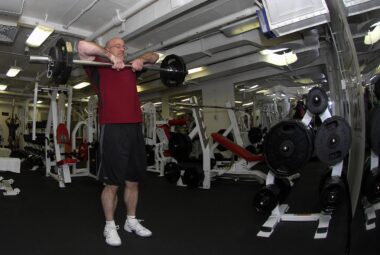
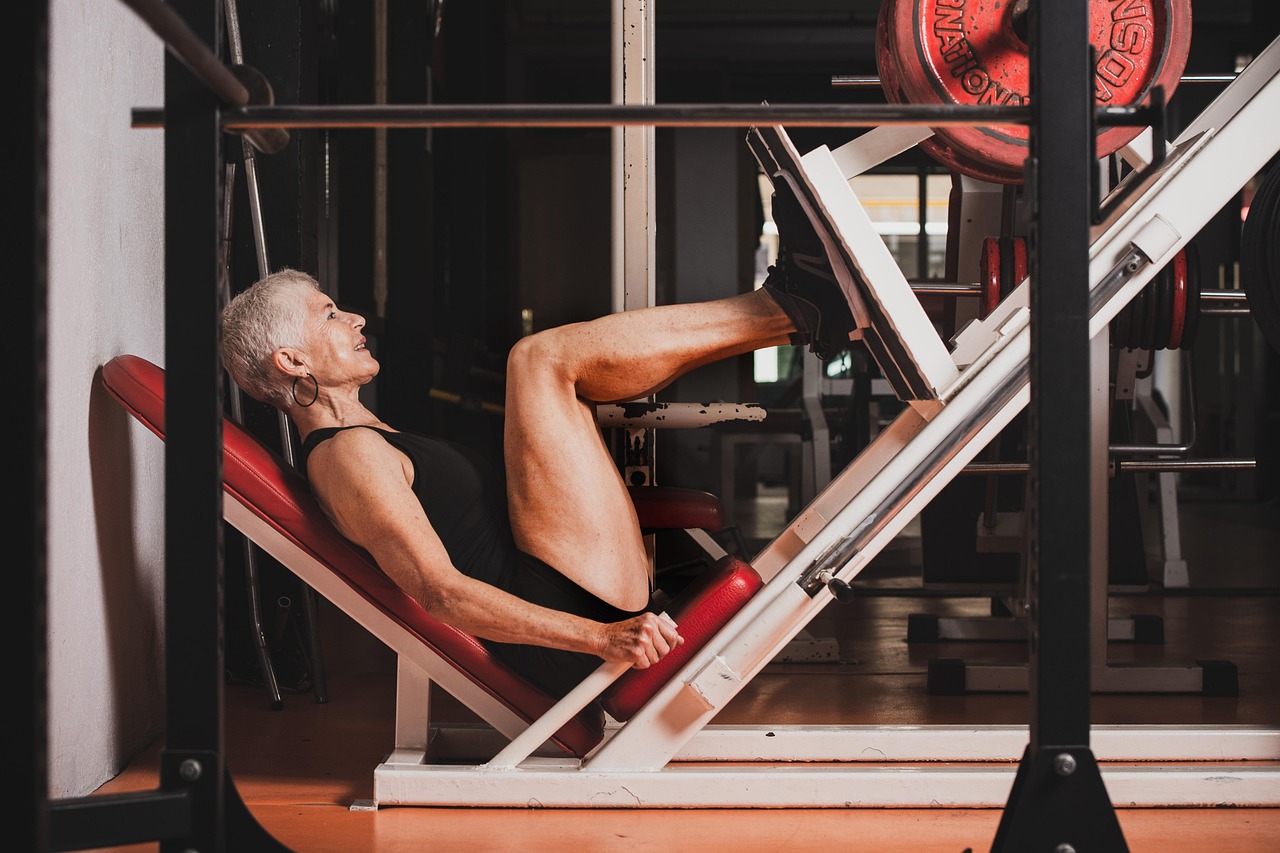
For many seniors, the idea of strength training can be shrouded in myths and misconceptions. A common myth suggests that engaging in strength training increases the risk of injury and should be avoided. It is essential to recognize that, when performed correctly, strength training can offer significant benefits for bone health. Strength training helps mitigate the age-related decline in bone density, reducing the risk of osteoporosis. Research has shown that resistance training can stimulate bone formation and enhance mineral density. As a result, seniors who participate in regular strength training exercise can strengthen their bones and support overall wellness. Additionally, a properly structured strength training program should be personalized, accounting for individual health conditions and abilities. With guidance from fitness professionals, seniors can safely incorporate these exercises into their routines. Furthermore, regular strength training helps improve balance and coordination, further decreasing the chances of falls and fractures. Ultimately, healthy bones and a robust fitness regime contribute to a higher quality of life for seniors, enabling them to remain active and independent. Embracing strength training is crucial for long-term bone health.
Another prevalent myth regarding strength training is that it’s only suitable for younger adults. In fact, strength training can be incredibly beneficial for older adults. As people age, they often experience a natural decline in muscle mass and strength, yet this is preventable with appropriate exercise. Engaging in strength training helps slow down muscle loss, improves muscle function, and enhances endurance. Many older adults might feel intimidated at the prospect of lifting weights or using resistance bands, but starting with lighter weights and focusing on proper form is key. Gradually increasing the intensity as strength improves is also advisable. Moreover, strength training has additional benefits, such as improving joint health and alleviating symptoms related to chronic conditions. Seniors participating in strength training regularly may find they not only perform daily activities better but also enjoy a more active lifestyle. Incorporating compound movements, like squats, lunges, and push-ups, can engage multiple muscle groups. To sum up, seniors should not shy away from strength training; instead, they should embrace the numerous health benefits it brings while adapting exercises to suit their own fitness levels.
The Role of Nutrition in Bone Health
In addition to exercise, nutrition plays a vital role in supporting bone health among seniors. A balanced diet, rich in essential nutrients, is critical for maintaining strong bones as individuals age. Calcium and vitamin D are particularly significant for bone density. Calcium aids in building and maintaining bone mass, while vitamin D enhances calcium absorption in the body. Seniors should aim to incorporate calcium-rich foods such as low-fat dairy, leafy greens, and fortified products into their daily meals. Equally important is obtaining sufficient vitamin D, which can be achieved through exposure to sunlight or supplements if necessary. Furthermore, protein intake is also crucial for muscle and bone health. Studies indicate a direct correlation between protein consumption and enhanced bone density. Foods such as fish, chicken, legumes, and nuts should be included in a senior’s diet. It’s essential to recognize that a single nutrient cannot solely determine bone health; all nutrients work synergistically to support overall wellness. Therefore, maintaining a wholesome and nutritious diet, combined with consistent strength training, ensures optimal health and well-being for older adults.
Moreover, hydration is another aspect of nutrition that often goes overlooked but is essential for seniors’ overall health and fitness. Dehydration can impair physical performance and lead to serious health complications. Seniors may experience a diminished sense of thirst, making it important to consciously incorporate fluid intake into their daily routines. Drinking water regularly, along with consuming foods that have high water content, such as fruits and vegetables, can greatly enhance hydration levels. Moreover, maintaining proper hydration levels plays a crucial role in joint lubrication, muscle function, and digestion. For those engaging in strength training, staying hydrated ensures muscles are well-nourished and can perform optimally during workouts. Additionally, electrolyte balance is significant for nerve function and muscle contractions. Seniors should consider including drinks containing electrolytes, especially after intense activity or in hot weather. By prioritizing both nutrition and hydration, seniors can provide their bodies with the adequate support they need for mobility, strength, and long-term health. Intertwining sound nutrition with regular strength training can create a powerful synergy leading to improved bone health.
Common Barriers to Strength Training for Seniors
Despite the multitude of benefits that strength training provides, several common barriers may deter seniors from participating in these activities. Among these barriers, fear of injury stands out as a significant concern. Many seniors may worry that the strain from resistance exercises could lead to sprains or fractures. However, education about safe techniques can alleviate these fears. Another issue can be a lack of access to facilities or equipment, particularly for those living in rural areas or with limited mobility. Community centers, homes, and local parks often provide suitable alternatives for strength training while requiring minimal or no equipment. Additionally, social barriers, such as feeling intimidated in a gym environment, can discourage seniors from exercising. Joining a senior fitness class or seeking out small groups with similar interests can provide a sense of community and motivation. Lastly, a lack of knowledge about effective strength training methods can be a barrier. Seniors should seek guidance from fitness professionals, ensuring they learn the best practices tailored to their individual fitness levels and goals.
To reinforce the importance of strength training, health professionals play a key role in motivating seniors and promoting awareness. Physicians, physical therapists, and nutritionists can empower seniors by addressing misconceptions surrounding strength training and its relevance in their lives. Regular discussions about the advantages of strength training during medical check-ups can inspire seniors to take action towards improving their bone health and overall fitness. Additionally, it’s essential for healthcare providers to tailor their recommendations to individual patients based on unique health profiles and capabilities. Encouragement from family members and friends can also enhance motivation, making seniors feel supported in their fitness journey. Engaging in strength training activities together can foster companionship and accountability. Utilizing technology, like fitness apps or online classes, enables seniors to stay connected and involved without needing to leave their homes. Shareable resources about strength training can facilitate discussions about the plethora of benefits that come with it. When comprehensive community efforts are made, seniors are more likely to embrace strength training and be proactive about their health. In summary, consistent support is critical in dispelling myths around strength training for older adults.
Conclusion: Embracing Strength Training for a Healthier Future
Ultimately, understanding the compelling facts surrounding strength training can lead to enhanced bone health and quality of life for seniors. Debunking myths about exercising at an older age can open the door to innovative approaches to fitness. Seniors are more capable of achieving their health goals than they may realize when properly educated and supported. Strengthening muscles and bones through appropriate resistance exercises fosters independence and encourages active living, thus reducing risks associated with sedentary lifestyles. Seniors should prioritize regular strength training to capitalize on its multifaceted benefits, including better balance, increased strength, and improved mental well-being. Taking the first steps can be daunting, but gradually incorporating these practices into daily routines paves the way for a healthier, more resilient future. As we witness a growing trend toward healthier lifestyles among seniors, the integration of strength training into their lives should be a cornerstone strategy. With determination, support, and access to resources, seniors can defy the stereotypes and embrace a vibrant, active life brimming with possibilities.
To summarize, the understanding that strength training is conducive to better bone health in seniors must become more widespread. Addressing the factors that hinder active participation in strength training is a collective responsibility, encompassing seniors themselves, healthcare providers, and communities. Simplifying accessibility and reducing apprehensions can lead to a paradigm shift regarding senior fitness as a whole. Recognizing the interconnected roles of exercise, nutrition, hydration, and community support will empower seniors to prioritize their long-term health and wellness effectively. Advocating for strength training amidst a wealth of misconceptions can dismantle barriers to physical activity. Encouraging seniors to embrace this path ultimately fosters healthier bones, an improved quality of life, and enhanced overall well-being as they age. Therefore, reinforcing awareness about the significance of strength training becomes essential in combating myths that have long prevailed. The time has come for seniors to embrace strength training as a central component of their fitness journey, ensuring resilience and independence throughout their golden years. Making gradual yet consistent changes is the key to achieving lasting benefits that ultimately lead to healthy aging.