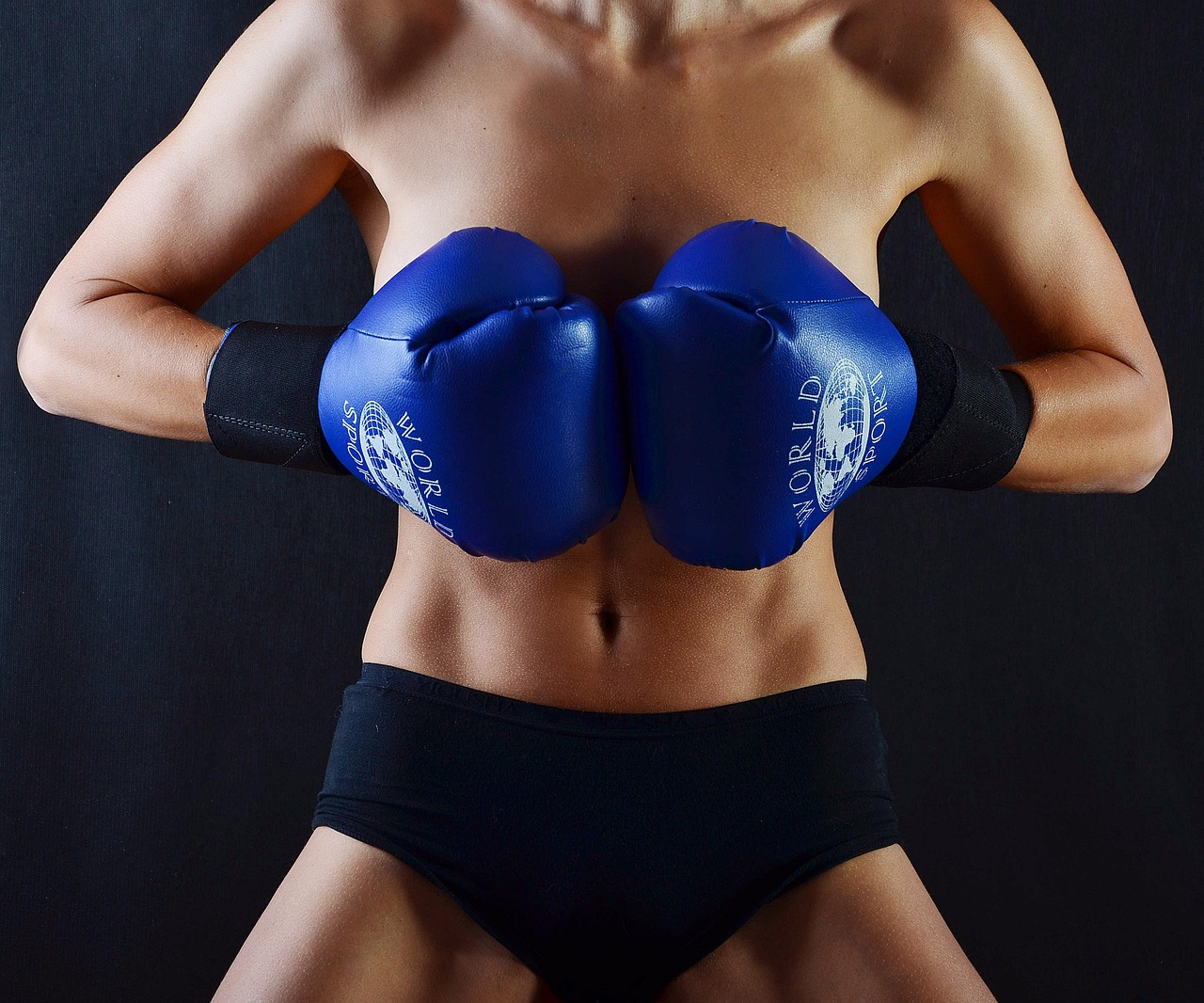

Permitted and Prohibited Techniques in Different Kickboxing Rule Sets
Kickboxing encompasses various styles across the globe, each governed by particular rules and regulations. Understanding the distinctions between these rule sets is vital for practitioners. In traditional Muay Thai, for instance, fighters are encouraged to utilize both punches and kicks while also employing elbow strikes and knee strikes. Striking with the elbows and knees is considered legal, provided it is executed within the bounds of fair play. On the other hand, Western kickboxing primarily restricts its techniques to punches and kicks, disallowing any strikes that might involve elbows or knees. This variation impacts strategy and fighter conditioning, as athletes must adapt to rule nuances. Moreover, some hybrid or mixed styles allow for increased versatility in techniques. Practitioners must learn and respect the variations between formats, adjusting their training and fighting styles accordingly. Knowledge of prohibited techniques, such as headbutts and sweeps in certain rule sets, ensures safety for athletes. Ultimately, this spectrum of rules generates a rich tapestry of fighting styles, emphasizing the need for a tailored approach in training and competition.
Kickboxing’s rich tapestry consists of various rule sets, which can significantly affect licensed competitions worldwide. One of the core elements in kickboxing is to familiarize fighters with every legal and illegal technique as per the governing body. For instance, in Full Contact Karate, legal strikes include punches and kicks but explicitly refrain from knee strikes, leaving only limited options for defending against opponents. Contrarily, in K-1, a popular kickboxing format, fighters can land knees and a streamlined version of elbows while still being restricted from utilizing sweeps and holds. A fighter’s training routine may differ according to what the rules permit. Adapting to various techniques leads to vast improvements in one’s skill set, enhancing both offense and defense. Effective training focuses on drilling those permitted techniques, maximizing performance during matches. Emphasis on prohibited techniques generates conscientious fighters who respect their opponents by ensuring safety and upholding fair play. Not only does understanding rule variations sharpen skills, but it also expands a fighter’s repertoire, allowing them to excel across various platforms. Ultimately, different rules emphasize the need for continued learning and adaptability in the evolving kickboxing arena.
The Legal Strikes in Kickboxing
Knowing the legal striking techniques within kickboxing rule variations is vital for success. Generally, the most common legal strikes include punches, which are fundamental techniques for any kickboxer. A punch comprises various forms, such as hooks, jabs, and uppercuts. Kicks also play a significant role in the art of kickboxing, offering fighters versatility in their striking arsenal. Various kicks, such as the roundhouse and front kick, are permissible across different styles. Additionally, various kickboxing formats, like Thai boxing, endorse elbow and knee strikes, which further diversify their striking techniques. Practitioners utilize knees for varied purposes, including striking, defending, and countering, while elbows enhance a fighter’s close-range striking capabilities. When engaging in more hybrid or adapted versions of kickboxing, closing distance and utilizing these legal strikes can change the course of a match. Understanding which strikes are legal allows fighters to develop fight strategies that emphasize these techniques. Ultimately, knowing the legal strikes in differing kickboxing rule sets ensures that a fighter can perform with confidence while following the rules, thus maximizing their chances for victory in competition.
Amid the various kickboxing rule sets, certain techniques are strictly prohibited, and awareness of these can directly influence training and performance. One such prohibited technique is the headbutt, often viewed as overly dangerous since it can lead to severe injuries. Additionally, many rule sets disallow trips and sweeps, which can disrupt a fighter’s flow and rhythm in a match. Such techniques, if attempted, might result in penalties or disqualification. Furthermore, grappling or holding an opponent is also illegal in most kickboxing formats. The necessity to avoid these techniques emphasizes legal striking and maintaining movement and agility during fights. Fighters must train diligently to avoid falling into bad habits that could escalate to using prohibited techniques during competition. They can effectively prevent disqualification or penalties by remaining within the legal boundaries. Ultimately, understanding these limitations provides insights into the fighters’ mindset, conditioning, and adaptability. Being mindful of prohibited techniques helps shape a safer and more respectful competition environment, fostering sportsmanship and ensuring the focus remains on the legitimate art of kickboxing.
Importance of Understanding Rule Variations
A comprehensive grasp of the differences in kickboxing rule variations is essential for training and competition. Each rule set reflects specific cultural and historical influences, shaping the techniques that practitioners must learn and master. By understanding these nuances, fighters can tailor their training regimens to align with the rules of their chosen format. Additionally, knowledge of differing rules enables fighters to anticipate their opponents’ strategies and reactions, presenting a competitive edge in the ring. Moreover, gyms and training centers typically focus on specific styles, reinforcing why it’s crucial for fighters to learn various techniques. Whether practicing in a traditional Muay Thai gym or a Western kickboxing studio, understanding the legal and illegal techniques helps athletes refine their skills and adapt accordingly. This adaptability promotes their growth and success across diverse kickboxing platforms. Furthermore, individual fighters might find unique strategies that suit their personal styles while respecting the governing bodies’ regulations. Ultimately, recognizing the importance of rule variations cultivates a mindset of continuous learning, ensuring that fighters remain proficient and engaged in their craft.
Throughout kickboxing’s evolution, the flexibility among rule sets has allowed different interpretations of techniques, ultimately shaping the sport’s landscape. A significant factor in these variations is regional preferences regarding striking techniques and practice formats. Fighters coming from disciplines rooted in Western boxing will often focus heavily on punches, neglecting kicks and other strikes. Conversely, Muay Thai practitioners will primarily rely on a blend of kicks, punches, elbows, and knees, making their style distinct. The cultural influences in training and competition are relevant in explaining these differences. As kickboxing continues to grow globally, understanding the regional variations enables practitioners to draft unique training programs that cater to competing in various styles. The different rules can enhance a fighter’s versatility while leading to excitement and creativity in the ring. For athletes, being adaptable and open to multiple techniques fosters persistence and innovation. Consequently, this progression results in more dynamic performances, elevating kickboxing as a martial art. Ultimately, the blend of cultural influences and rule variations enhances kickboxing’s nature, creating a continuously evolving environment for athletes passionate about their art.
Conclusion: Fostering a Safe Kickboxing Environment
In conclusion, understanding permitted and prohibited techniques in kickboxing is crucial for ensuring a safe and controlled fighting environment. By recognizing the different rule sets, practitioners can effectively train and prepare for competitions while respecting their opponents and adhering to safety standards. Ensuring that each fighter learns legal techniques and avoids illegal actions significantly reduces the risk of injuries during matches. In this regard, coaches and trainers play an essential role in preparing their athletes for success while promoting fair play and sportsmanship. Adapting training methods to include both legal and prohibited techniques ensures preparedness in various competition scenarios. The dynamic nature of kickboxing invites creative approaches to testing skills while remaining compliant with regulations. The growth of kickboxing worldwide emphasizes remaining adaptable in understanding the intricacies of each style. This awareness fosters respect for the sport, opponents, and the underlying philosophies that guide kickboxing. Ultimately, a collaborative effort among trainers, fighters, and organizations guarantees that kickboxing continues as a safe sport, promoting physical fitness, discipline, and camaraderie within the global martial arts community.
With kickboxing’s ongoing evolution, commitment to understanding techniques, rules, and variations fosters individual and collective growth in the sport. Continuously adapting to rule changes means practitioners can thrive across diverse environments. This adaptability ensures that the art of kickboxing remains relevant and accessible to future generations, allowing it to flourish across cultures. Throughout this journey, clear communication among competitors, coaches, and referees is paramount in upholding the integrity of the sport. By maintaining this open dialogue, the community can address concerns and ensure safety. The continuous refinement of techniques, accountability, and awareness of rule sets ultimately shapes successful athletes committed to excellence. Emphasizing these principles creates a kickboxing culture where safety and skill are paramount. A collaborative mindset ensures the ongoing evolution of the sport while retaining its core values. As new challenges and opportunities arise, the commitment to safety and skill will help kickboxing adapt and thrive holistically. Consequently, the dedication to understanding the complex rules and techniques will promote the sport, enhancing its appeal and growth on the global stage.