
Timing is Everything: Capturing Peak Action in Parkour
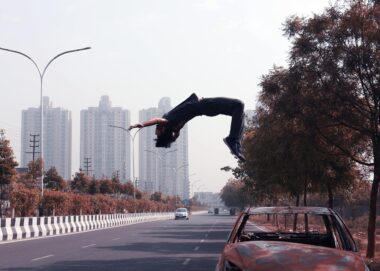
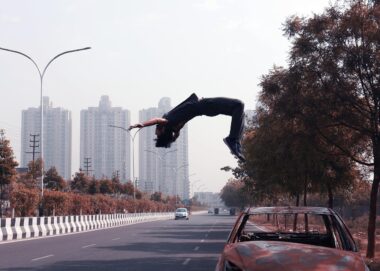
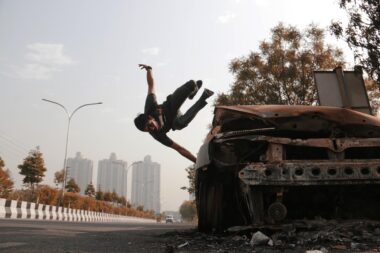
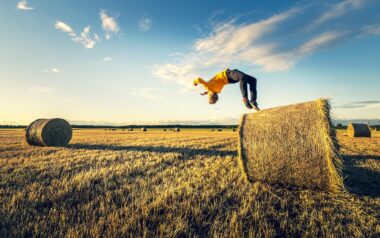
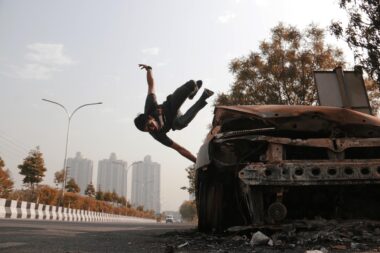
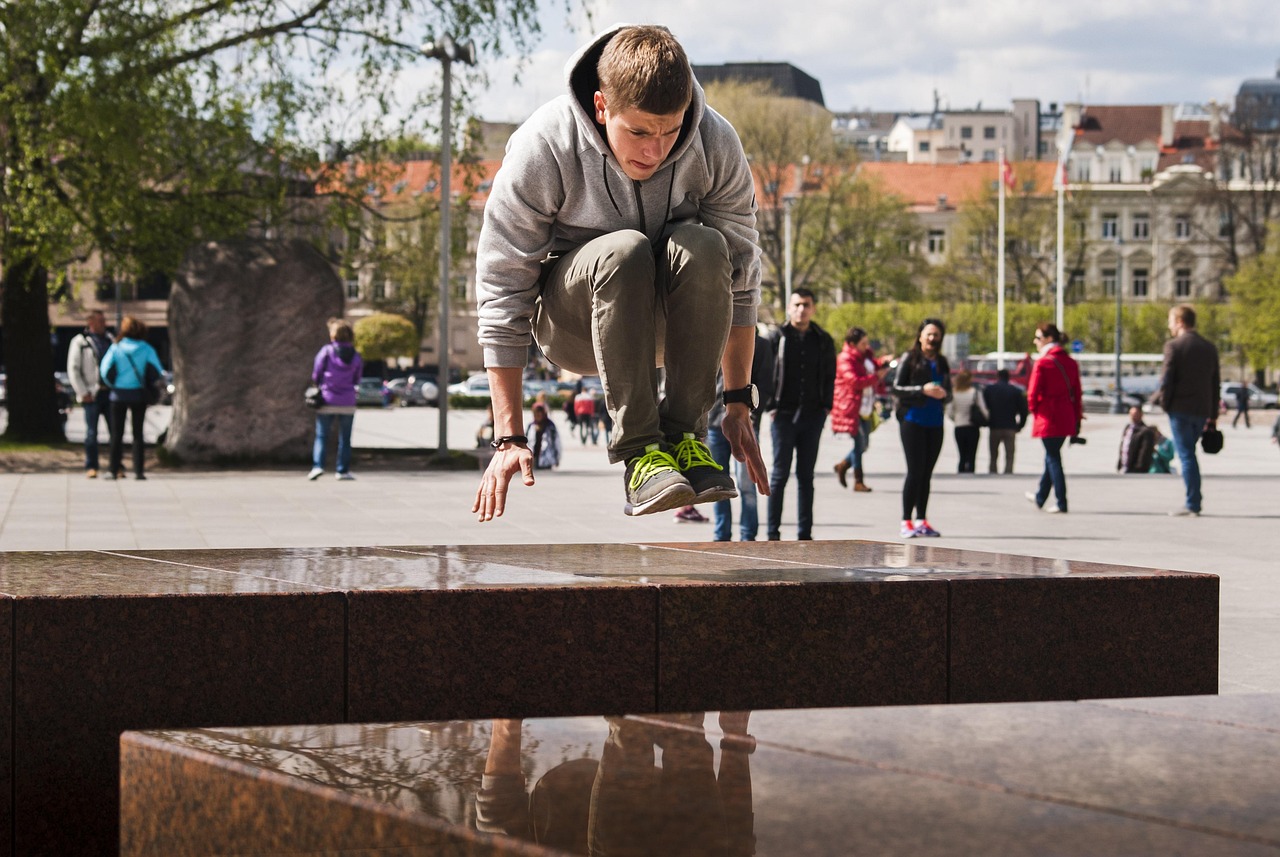
Parkour photography is an exciting venture, focusing on capturing dynamic movements of athletes as they navigate through urban landscapes. As a photographer, your goal is to showcase extraordinary moments, where timing becomes crucial in freezing the action. This requires a keen understanding of the parkour athlete’s movements, ensuring you identify key moments to capture. Additionally, you need to familiarize yourself with the environment, which greatly affects the shot’s composition. A well-timed photograph can convey a sense of speed, energy, and grace that parkour embodies. Preparation is essential; scout locations in advance to find suitable spots for both photographers and athletes. Consider the best angles and identify potential hazards. Lighting plays a vital role as well; shooting during the golden hour can provide softer, warmer tones, enhancing the visual appeal of your images. The ideal settings on the camera include a fast shutter speed to avoid motion blur and a wide aperture for a beautiful depth of field. By implementing these techniques, you will successfully capture stunning moments in parkour, making an impact with each shot.
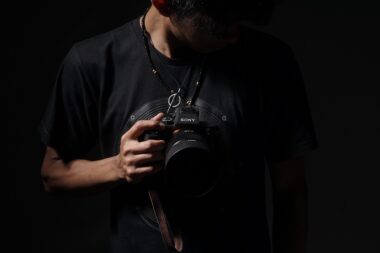
As in any photography discipline, the right equipment is essential for great results in parkour photography. A good-quality DSLR or mirrorless camera offers versatility, particularly regarding interchangeable lenses. When photographing fast-moving subjects, consider fast lenses to ensure clarity and speed. A lens with a focal length between 24mm and 70mm provides a fair range for various angles and distances. A longer lens can be useful when capturing action from a distance, while a wide-angle lens allows for expansive scenery. Additionally, consider investing in a monopod or tripod for stability when shooting in challenging conditions. This equipment not only helps reduce camera shake but also allows for smooth pans during fast action. Use a high-speed memory card to keep up with fast burst rates, capturing consecutive frames without losing quality. It’s also helpful to experiment with different frames per second settings, as this can yield more options when reviewing shots. Lastly, shoot in RAW format to give you more flexibility in post-processing, allowing for more adjustments without sacrificing image quality.
Mastering Camera Settings for Action Shots
Understanding camera settings is vital for successfully capturing parkour action shots. Set your camera to continuous shooting mode, allowing burst photography to increase your chances of capturing that perfect moment. For shutter speed, aim for at least 1/1000 of a second, especially when shooting high-intensity movements. This fast exposure freezes motion, yielding sharp images that depict athletes performing stunts and leaps. Adjust your aperture according to lighting and desired depth of field; a wider aperture creates a beautiful background blur while focusing on the subject. Experiment with ISO settings too; high ISO settings can be beneficial in low light conditions, but be cautious of noise and grain. Balancing these settings according to the environment and action is essential. Consider using manual mode to have complete control over your exposures, which is especially useful when lighting changes rapidly. Lastly, regularly practice these techniques to improve your skills, understanding how adjustments affect your shooting experience, and always stay ready to adapt on-the-fly.
Anticipation plays a vital role in timing your shots; being able to predict the athlete’s next move can make all the difference in outcome. Observing the athlete’s rhythm and understanding their style can immensely enhance your photography. Communicate with them beforehand to learn about their stunts and movements, allowing you to position yourself effectively. During training or practice sessions, take note of their preferred jumps or flips, noting patterns in their performance. This knowledge helps you identify and prepare for key moments when action peaks. Additionally, remaining alert and focused amidst the dynamic scene is crucial. Build a connection with the athlete, allowing them to know when you’re ready to shoot, and in turn, they can share when they intend to perform a trick. This relationship fosters better communication and aids in capturing breathtaking images. Ultimately, maintaining focus and anticipation during shoots keeps you prepared for unexpected yet captivating moments as they unfold, resulting in stunning parkour photographs.
Choosing the Right Location
The choice of location for parkour photography is as important as the equipment and settings. Urban settings provide textured backgrounds that enhance the parkour aesthetic, filled with obstacles for athletes to navigate. Look for locations with interesting architectural features, such as staircases, railings, and walls, which add character to your shots. Avoid areas that might be hazardous for both the athlete and yourself; safety should always come first. A well-chosen location will enhance the athletic performance and overall composition of your photographs. Natural light can influence your images, so scouting locations at different times of day helps you identify optimal lighting conditions. Locations that receive directional light can cast dramatic shadows, adding depth to your photographs. Utilize the environment to frame your shots creatively; positions that incorporate surrounding elements make for more engaging images. Furthermore, consider the weather, as overcast days can offer diffuse lighting, preventing harsh shadows, while bright sun may require careful adjustment of camera settings to manage exposure effectively.
Post-processing is a vital step in parkour photography that allows you to enhance your images further. After capturing your photos, transfer them to editing software like Adobe Lightroom or Photoshop for optimal results. Begin by selecting the best shots from your series, focusing on images that exhibit sharp details and dynamic movements. During editing, you have the opportunity to enhance colors, adjust brightness and contrast, and crop images for better composition. Make sure to maintain a natural look while drawing out elements that emphasize the action. Correct any distortions caused by wide-angle lenses and refine the focus on the athlete. It’s essential to maintain a consistent editing style that complements your overall vision, which will create a cohesive portfolio. Consider exploring presets to streamline the process or develop a unique editing style that sets your work apart. By dedicating time to post-processing, you’re not just improving your photographs but also allowing the incredible essence of parkour to shine through beautifully; thus captivating your audience.
Sharing Your Work and Building a Community
Once you’ve perfected your parkour photography, sharing your work becomes the next important step. Utilize social media platforms like Instagram, Facebook, and personal websites to showcase your photographs. Engaging with the parkour community is crucial in building connections with athletes and fellow photographers who share your passion. Utilize hashtags specific to parkour and photography to ensure your work reaches a wider audience. Joining forums or groups dedicated to parkour and photography fosters feedback and constructive criticism, encouraging your growth. Networking with athletes can also provide opportunities for collaborative shoots and events, broadening your exposure. Create a portfolio that displays your best work, illustrating your unique perspective on capturing parkour. Attend parkour gatherings, events, or competitions to document athletes live in action while interacting with the community. Building a strong online presence encourages others to follow your journey as a photographer, opens doors for potential collaborations, and ultimately leads to a deeper connection with the sport itself.
In conclusion, mastering timing in parkour photography requires a combination of practice, skill, and patience. Capturing peak action moments depends on your ability to synchronize with the athlete, understand their movements, and apply the right photography techniques. The elements you’ve learned, such as optimal camera settings, equipment selection, location scouting, and post-processing, contribute significantly to the overall quality of your photographs. Parkour is an exhilarating sport that showcases the human body’s capability, and representing it through photography is rewarding and challenging. Don’t forget to engage with the community, as sharing your work enhances your growth and fosters valuable connections. Keep evolving your style and refining your skills as you embark on this photographic journey! Remember that every click of the shutter encourages you to capture the beauty and athleticism inherent in parkour; as you strive for perfection, your passion for the sport will inherently enhance your creative endeavors in photography, bringing forth images that speak volumes of human potential and artistry.