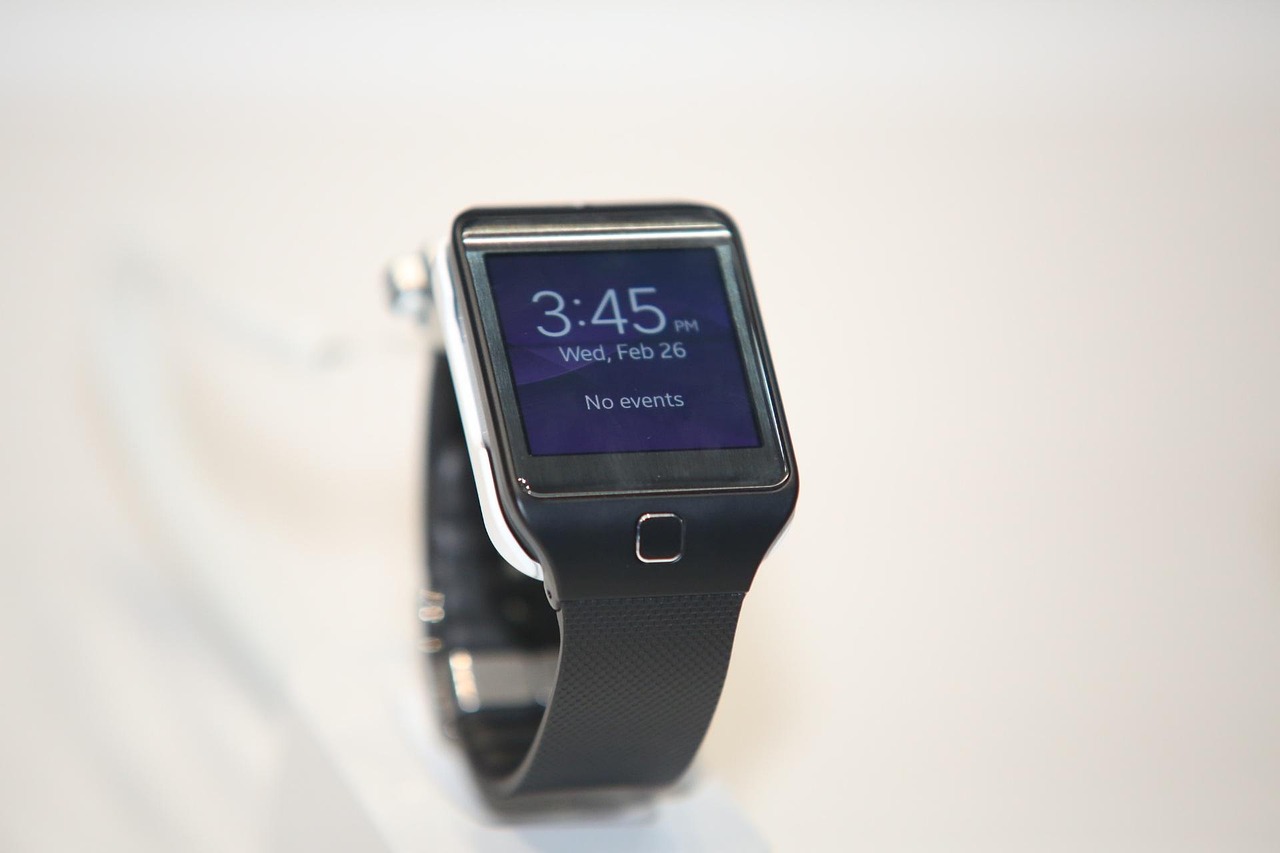

How Long Battery Life Enhances Your Fitness Tracking Experience
Fitness tracking has become an essential element of modern health management. Wearables provide real-time analytics that can offer invaluable insights into one’s physical activity levels. Among various factors affecting their usability, battery life stands out prominently. A wearable with a long battery life enables users to track their fitness metrics continuously without the constant concern of recharging. This uninterrupted tracking provides comprehensive data, thereby enhancing the accuracy of insights into one’s routines. Users can engage in daily workouts, long hikes, or even multi-day adventures without needing to find a power source. Furthermore, a wearable device that lasts longer can adapt to varied activities, increasing its practicality. It allows for the seamless integration of fitness technology into one’s lifestyle, making fitness tracking more enjoyable. As fitness enthusiasts, having a device that reflects our commitment and facilitates our progress is important. Without the dread of battery failure, users can focus on maximizing their performance and achieving their multitude of fitness goals. The enhanced tracking experience provided by long battery life promotes consistently healthy habits and encourages sustained progress over time.
Wearables designed for enthusiasts sport activities often include functionalities requiring significant energy. Heart-rate monitoring, GPS tracking, and continuous motion sensing rapidly deplete batteries in less capable devices. However, brands are now prioritizing long battery life in their engineering, ensuring that devices are equipped to handle heavy usage. This innovative approach can result in features such as additional charging methods, or low-power consumption modes. Users can now benefit from a suite of tracking capabilities without excessive battery drainage. Additionally, a more efficient battery contributes further to the overall performance of wearables, resulting in less energy waste and increased reliability. This understanding of battery technology has transformed user expectations. By providing critical information like heart rate variability during workouts, wearables are changing how individuals perceive their health. The convenience of fewer charging interruptions means users can monitor their bodies while engaging in various activities. Furthermore, brands continue to innovate, allowing for improvements in battery chemistry and solar charging options. With extended battery life, wearables can now elevate fitness tracking, contributing to better-informed decisions regarding health and wellness. The impact of a long-lasting battery cannot be overstated in the fitness community.
Benefits of Extended Battery Life
One significant benefit of extended battery life in wearables is the extensive data collection they enable. Fitness enthusiasts can now confidently engage in longer sessions without periodic interruptions for charging. When tracking workouts over an extended period, every bit of data contributes to a clearer picture of overall health. Whether participating in outdoor sports or structured gym routines, having access to historical data isn’t merely beneficial; it becomes essential. Continuous data capture improves predictive analytics, offering users personalized recommendations. For instance, insights into fatigue levels, optimal recovery times, or even exercise intensity become more accurate and actionable. Moreover, wearables can serve as reliable health monitors. With features like sleep tracking and heart rate variability, users can gain deep insights into their overall well-being. Long battery life also maximizes the utility of these features. By providing users flexibility in managing their schedules, they can prioritize their health without the hassle of frequent recharging. This user-centric approach ultimately fosters a greater commitment to fitness and healthy living. Therefore, wearables with enhanced battery life can help users achieve significant health objectives and maintain active lifestyles.
Apart from tracking benefits, long battery life also provides convenience in everyday activities. Active individuals find themselves in various situations, often away from home or regular power sources. This versatility creates a demand for wearables that can keep up with busy and dynamic lifestyles. When commuting, traveling, or engaging in outdoor adventures, users can rely on their devices without always thinking about charging. This reliability translates to healthier behaviors and better fitness habits. Furthermore, convenience enables users to develop their routines seamlessly. Through integration with smartphones, wearables can relay notifications directly to the wrist, which minimizes distractions from fitness activities and ensures users remain focused on their workouts. Many wearables nowadays also support various applications, enhancing functionality and engagement. The blending of lifestyle convenience with wearables products surely fosters a positive outlook towards fitness. In essence, the success of a wearable device lies not only in high-end features but also in maintaining usability and convenience. A focus on longevity allows users to explore their limits while ensuring they gain insights into their fitness journey without interruption. The enhancement of lifestyle convenience bolstered by battery life truly promotes sustained fitness engagement.
Impact on Training Performance
Long battery life can significantly influence athletic performance during training. Athletes often require accurate feedback to fine-tune their techniques, track heart rhythms, and monitor overall performance. The absence of battery anxiety allows them to focus on extracting maximum value from their training sessions. In high-stakes environments where every second counts, knowing that devices won’t fail translates to confidence in performance. Extended battery life enables athletes to push through demanding workouts, utilizing comprehensive analytics throughout their sessions. This assurance that battery levels won’t deplete leads to increased effort levels, resulting in maximum productivity. Enhanced performance tracking culminates in insightful data analysis post-session, allowing athletes to understand their physiological responses. The immediacy of having data post-workout fosters adaptable training regimens tailored to their evolving needs. Additionally, fostering relationships with coaches has improved due to accessible analytics that can be shared in real time. Coaches can assess their trainees’ progress and prescribe suitable modifications quickly. Such dynamics amplify growth potential while reinforcing accountability. Therefore, wearables with long battery life are not just an accessory but an essential resource that encourages athletes to achieve their fitness ambitions and refine their capabilities.
Moreover, long battery life extends beyond athlete-centric experiences to enrich the wellness journey for non-professionals too. Everyday users often seek motivation and tools to ensure they’re engaging in physical activities. Devices that accommodate long battery durations allow users to establish daily rituals, such as morning runs or evening yoga sessions. Continuous data availability strengthens personal insights into fitness, fostering consistency in exercise routines. Increased accessibility to health metrics leads to a sense of achievement and empowerment. As a result, users cultivate a well-rounded understanding of how routine activities affect their overall health. Longer-lasting batteries thus foster habits that become part of users’ daily lives. Furthermore, the data allows users to set more attainable and realistic goals based on concrete information. Committed individuals feel compelled not only to rely on their wearables but also to explore their potential variance in activity levels and health metrics. A with strong motivation to strive for personal bests emerges from past achievements. Therefore, the cumulative effect of long battery life promotes sustained personal development and continuous wellness awareness, translating into long-term health benefits.
The Future of Wearable Technology
Looking forward, the future of wearable technology holds immense promise for extended battery life and overall functionality enhancement. The increasing integration of innovative technologies, such as energy harvesting from body movement or advanced battery chemistries, will likely shape the wearables landscape in remarkable ways. These advancements can lead to devices that not only last longer but also charge faster and improve user performance metrics. Environmentally conscious consumers are becoming more prevalent, prompting manufacturers to embrace sustainability in their designs, including energy-efficient technologies. Furthermore, long battery life can position wearables as continuous health monitors, essential in managing chronic health conditions. As the global focus shifts towards preventive health measures, users will likely rely on wearables for real-time data analysis. This reliance can lead to machine learning integration, which will tailor feedback and recommendations based on individual profiles, ensuring more effective health management. Brands must prioritize these innovations to stay competitive in a rapidly evolving market. In summary, the future of wearables indicates that battery life will play a central role in the user experience, greatly influencing one’s health and fitness management systems.
In conclusion, the significance of long battery life in fitness tracking wearables cannot be overstated. Users are demanding more from their devices, seeking tools that enhance their ability to monitor health and enhance performance. The widespread acceptance of wearables is linked to their ability to accommodate user lifestyles effectively. Extended battery life ensures an uninterrupted flow of data, empowering users to remain engaged with their fitness routines. This, in turn, encourages consistency and motivation, critical elements in any health-conscious journey. Manufacturers are continuously innovating; thus, the evolution of battery technology will significantly dictate future wearables. While integrating sophisticated features with long-lasting battery life, brands aim to create products that resonate with consumers’ needs. As technology advances, we can expect smarter wearables that deliver richer insights and manage user expectations efficiently. By merging convenience, usability, and the latest technologies, the fitness industry can witness how wearables revolutionize personal health monitoring. Ultimately, this enhances the overall user experience, making the journey toward fitness more enjoyable and rewarding over time. For those invested in fitness, wearables with long battery life will become indispensable assets in their pursuits.