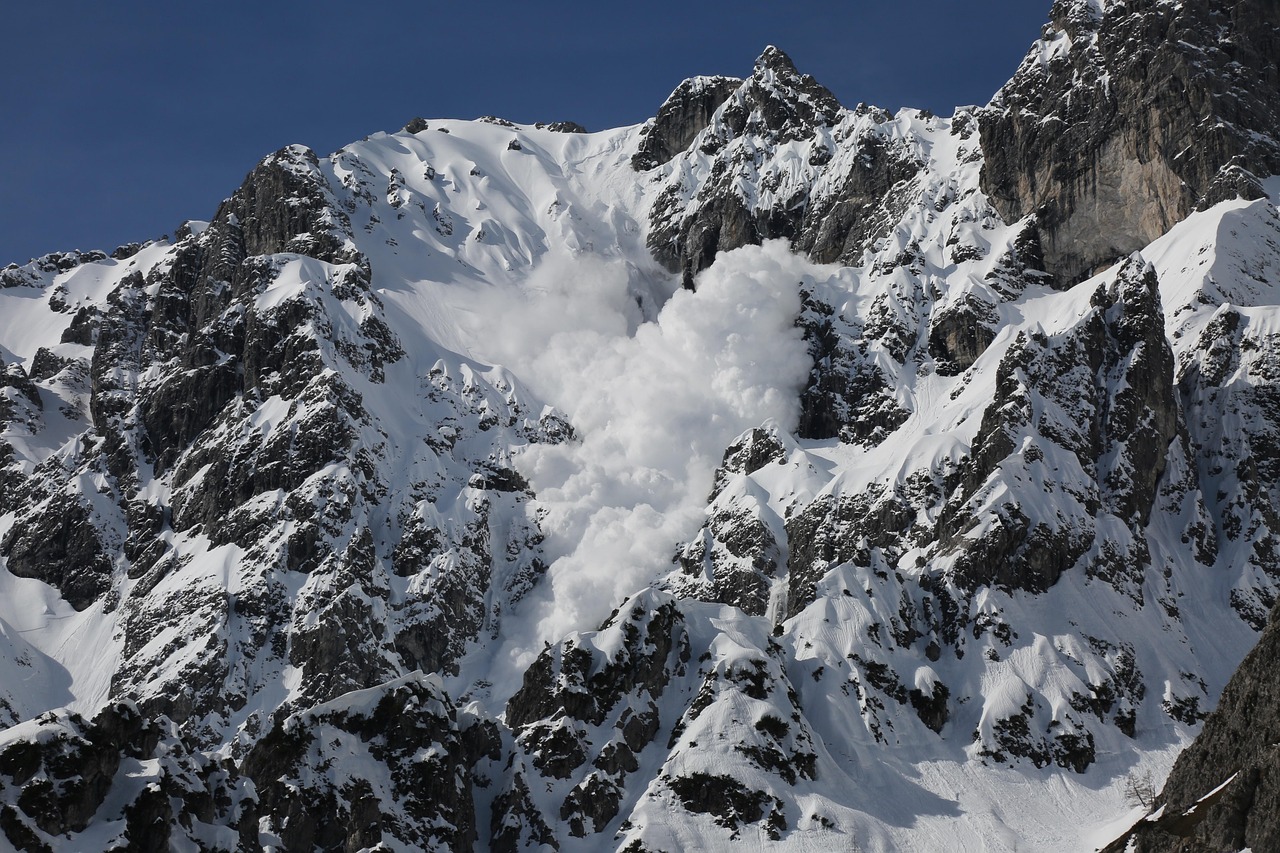

Using Avalanche Transceivers: A Step-by-Step Guide
When it comes to winter sports, knowing how to handle avalanche situations is crucial. Avalanche transceivers are essential tools for those venturing into mountainous terrains, particularly skiers and snowboarders. They help locate trapped individuals during avalanche events and should be used with care. To begin, familiarize yourself with your specific transceiver model. Each device has unique features, ranging from display styles to sensitivity levels. Understanding these characteristics is essential for effective use in emergencies. Training is vital, and many resorts offer courses for users who want more hands-on experience. Practicing with your transceiver can significantly enhance your skills and confidence. Remember, a transceiver only works when it’s turned on and set to the correct mode, either send or search. Regularly test your equipment for battery status and signal strength to ensure reliability during a crisis. Check manufacturer guidelines to know when to replace batteries. The best practice is to always carry a shovel and probe alongside your transceiver, as they work synergistically during rescues. Together, they provide the highest possibility of rescuing injured individuals. Avalanche safety protocol should always be adhered to when participating in winter sports.
The Importance of Regular Equipment Checks
The importance of regular equipment checks cannot be overstated in avalanche safety. Before heading out, check your transceiver’s functionality to avoid malfunctions during emergencies. In addition to taking part in training, you can perform a simple functional test. Turn the device on and check its battery indicator. Do not underestimate low battery warnings; replace batteries if needed. It’s recommended to carry spare batteries, ensuring you’re fully equipped. Additionally, checking the antenna to ensure they are not damaged is vital. Cracked or damaged antennas can significantly hinder a transceiver’s effectiveness. Keep your transceiver clean, free from snow or ice build-up that can affect performance. Regularly practicing with your device is crucial, not just once a season, but periodically throughout winter. Engaging in routine drills with your skiing group can foster a sense of teamwork and preparedness. Familiarize yourself with each other’s equipment, as systems can differ significantly. Take the time to review instructions collectively and run mock drills regularly. This preparation enhances overall efficiency during actual emergency situations. Proper care and frequent checks of your transceiver can save lives when it matters most.
Now that we understand the critical aspects of avalanche transceiver maintenance, let’s discuss proper transceiver usage. Each user should know how to operate their device during an avalanche rescue scenario. Upon encountering an avalanche, the user must immediately switch their transceiver to ‘send’ mode. This broadcasts a signal to any nearby transceivers, thereby making it easier for rescuers to locate victims. Ensure that all group members understand how to do this, as this initial response is key to a successful rescue operation. Once you have alerted potential rescuers, it’s essential to initiate the search process if yourself or a companion is in need of help. Transition your transceiver to ‘search’ mode, and begin moving in a systematic pattern. Pay close attention to visual and audio alerts from your device; these signals guide you to the victim’s location. Remember to keep scanning for other transceivers nearby, as their signals help triangulate the victim’s position. Always visualize the area within the likely avalanche site for efficient searching. Consider using systematic search patterns for the best results. Depending on environmental factors, adopting a grid search pattern can pinpoint an individual effectively.
Searching and Marking Victims
Once you’ve honed your search technique, you should practice how to mark the victim’s position. This step is crucial; locating them quickly increases their chance of survival. Upon detecting a signal during your search, switch your transceiver back to ‘send’ mode and avoid unnecessary distractions. This will ensure you maintain continuous communication with your group. In a calm and organized manner, communicate the discovered location to any team members. Communication is critical to maintain focus and avoid panic, as it can lead to mistakes. Mark the victim’s position using a visible marker, like a shovel or pole, to help direct rescuers on their arrival. You should also keep calm and remember that every second counts. After marking, continuously monitor the victim’s location as your group carries out the extraction strategy. Familiarize yourselves with techniques to enhance the rescue process effectively. Plan how team members will work together to dig out the buried individual safely. Practice efficiently moving snow while ensuring there is a clear and visible path to the marked spot. Swift and careful rescuing can significantly increase the chances of survival for anyone trapped.
Awareness of potential hazards is another essential element in ensuring safe winter sports experiences. Avalanche situations can become life-threatening very quickly and can be unpredictable. Pay close attention to avalanche forecasts and weather conditions as they can dictate how likely an avalanche may occur. Utilize tools like avalanche bulletins, which provide comprehensive updates on snow conditions and risk levels. Individual awareness enables skiers, snowboarders, and snowshoers to make informed decisions regarding their routes. Never venture out into high-risk areas without proper gear and knowledge, and travel only in your skill level range. Educate yourself about the terrain you’re planning to navigate, as these factors determine your likelihood of triggering an avalanche. Consider accompanying a knowledgeable guide if you are unfamiliar with the area. Understand avalanche signs, such as recent snowdrifts or cracks in the snowpack, and consult experts when unsure. Maintaining awareness of surroundings helps adjust your plans to mitigate risks. Be prepared to avoid risky terrain altogether, which can often be a safer option than venturing into uncertain territories. Emphasize team communication around risk management, as maintaining awareness can be incredibly beneficial in preventing accidents.
Emergency Response Coordination
Coordination with emergency response teams is vital in avalanche safety scenarios. Being prepared to make effective communications with local authorities can provide necessary information that may expedite rescue efforts. Familiarize yourself with the emergency contacts in your region, as these are crucial during an avalanche incident. Being equipped with phones is common while skiing, but remember to prepare for situations where devices may not have signal. Ensure your group knows how to report to emergency services, detailing exact locations and conditions. Each minute is crucial following an avalanche; thus, every individual must know their role and keep calm when responders arrive. Designate a team member to manage communication efforts, which helps keep confusion to a minimum during a chaotic event. Additionally, providing assurances to other members can keep spirits high while waiting for help to arrive. If you have first-aid skills, use them to assist affected individuals while awaiting professional assistance. Knowing your capabilities and limitations is crucial in such high-stress scenarios. Continuing to communicate frequently with your team smooths procedures during rescue situations, significantly enhancing the likelihood of successful outcomes for all involved.
In summary, using avalanche transceivers effectively requires practice, preparation, and awareness. The initial step involves understanding your specific equipment and making regular checks. Comprehensive training sessions combined with consistent practice build confidence in time-sensitive scenarios. Keeping equipment functional through routine checks is vital to a successful rescue operation. It’s equally important to remember fundamental search techniques and collaborate with team members for efficient rescues. During emergencies, maintaining awareness and finding potential hazards can enhance safety during winter sports activities. Coordinating emergency response efforts optimally can significantly improve the chances of successful outcomes in avalanche situations. Finally, staying informed and proactive leads to a safer mountain experience. Encourage fellow winter sports enthusiasts to prioritize avalanche safety, making it an integral part of your outdoor adventures. Always carry the right gear, including transceivers, shovels, and probes, and adopt best practices for safety. Ultimately, adventure in the mountains can be fulfilling, balanced with the knowledge and preparedness required to tackle potential challenges safely. Prepare and enjoy the beauty of winter landscapes responsibly, ensuring experiences that minimize risks while maximizing enjoyment.
In conclusion, understanding avalanche safety and transceivers is essential for all winter sports enthusiasts. Avalanche transceivers are not just gadgets; they are life-saving devices that, when used correctly, can lead to successful rescues. Familiarize yourself with how your device works, perform regular checks, and follow proper procedures during emergencies. Encourage friends and fellow winter sports enthusiasts to share knowledge about avalanche safety, enhancing collective preparedness. Always assess risks before heading out and stay updated on weather forecasts to make informed decisions. Lastly, treating avalanche preparedness as a critical aspect of your winter sport practice can set you apart as a responsible outdoors person. Enjoy your time in winter sports, but do so with respect for the environment and awareness of your equipment. Adventure safely by prioritizing avalanche safety in your routine. Always have fun but remember the responsibilities that accompany joyous activities. A proactive approach to avalanche safety can provide peace of mind for everyone involved. Stay safe, stay informed, and enjoy all the thrills that winter sports have to offer. Create memorable experiences without compromising safety. Responsible practices promote both adventure and security in the beautiful winter landscapes.