
Tracking Performance Improvements in Martial Arts through Kettlebell Training
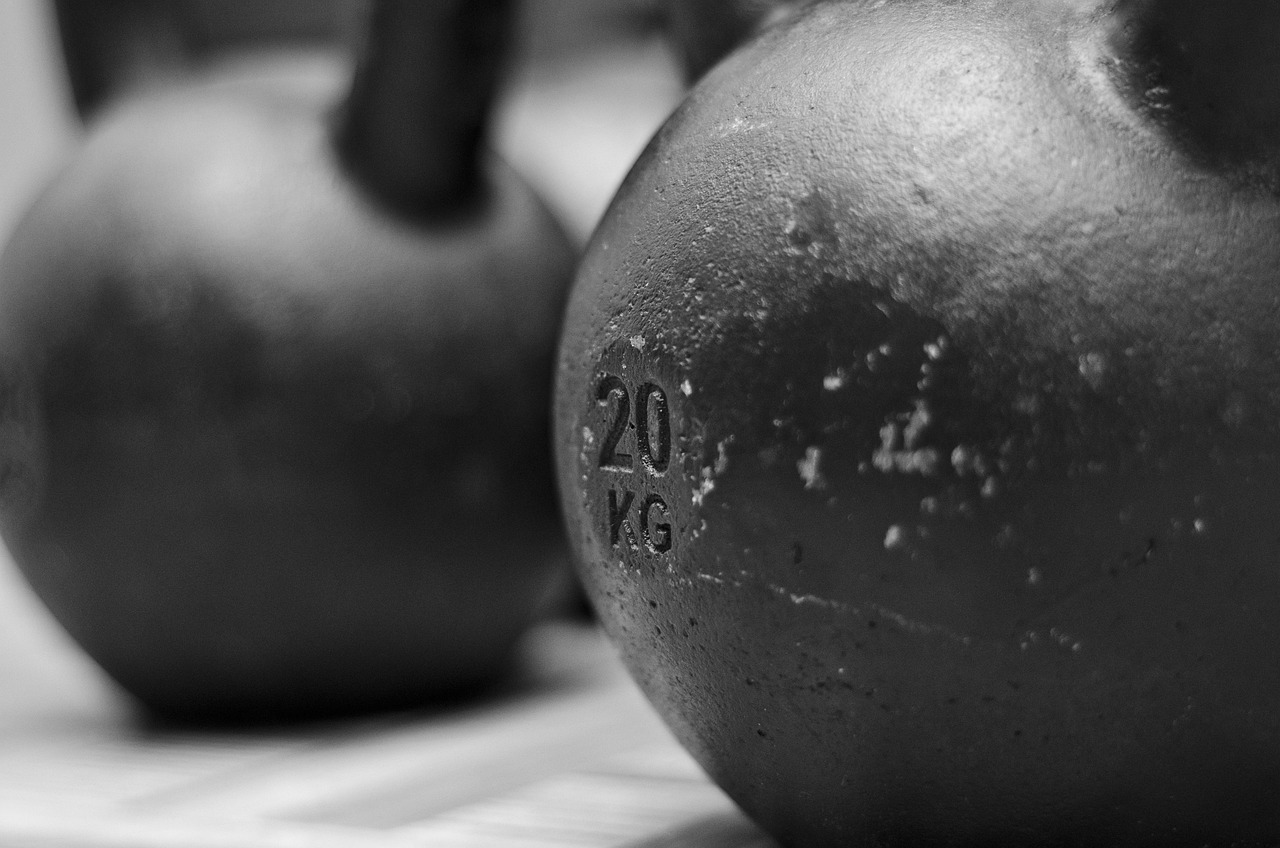
Kettlebell training has emerged as a dynamic approach to enhance physical performance in various sports, including martial arts. By integrating kettlebell workouts into their training routine, martial artists can significantly improve strength, endurance, and overall conditioning. Kettlebells offer unique benefits due to their versatility and stability challenges. These workouts effectively target the core while improving grip strength and functional mobility. Tracking progress in performance metrics during martial arts training is crucial for evaluating the effectiveness of kettlebell exercises. Metrics may include improved striking speed, enhanced agility, or increased power generation when executing techniques. Additionally, athletes should monitor their stamina levels and recovery times post-training. Weight progressions in kettlebell exercises contribute to enhanced muscle adaptations. Therefore, martial artists must track their kettlebell routines. Extensive note-taking following each session is paramount for trend analysis. Incorporating technology can further amplify tracking accuracy. Fitness apps or wearable devices can provide real-time data to track workouts effectively. Combining this technology with consistent kettlebell training leads to substantial performance improvements in martial arts. The convergence of strength training techniques will enhance athletic capabilities and bolster confidence in martial artists.
The relationship between kettlebell training and martial arts performance lies in functional fitness. Instead of merely focusing on aesthetics, kettlebell workouts promote movements applicable to martial arts techniques. For instance, the swing, snatch, and clean-and-press target multiple muscle groups simultaneously. These foundational movements cultivate stability and strength crucial for powerful kicks or effective grappling maneuvers. During training, martial artists can optimize their kettlebell workouts for specific fighting styles. For example, those focusing on Brazilian Jiu-Jitsu may prioritize building explosive power and core stability. In contrast, Muay Thai practitioners might concentrate on enhancing leg strength and cardiovascular endurance. Effectiveness lies in customizing training protocols to align with martial arts disciplines. Measuring improvements can manifest in various forms, such as increased resistance over time, better mechanical efficiency, and greater training intensity management. Practicing kettlebell circuits alongside martial arts skills enables athletes to develop functional strength. Tracking performance metrics, such as personal bests in kettlebell lifts, can serve as valuable motivation. Moreover, observing changes in martial arts performance will affirm kettlebell’s effectiveness. By constantly evaluating these metrics, practitioners can make informed decisions about their training schedules and remain engaged in their growth journey.
Assessing Endurance and Strength
When engaging in kettlebell training, martial artists can assess their endurance and strength through a structured evaluation process. A proper warm-up prepares the body for kettlebell movements, followed by specific kettlebell exercises designed to measure performance improvements. For example, circuits incorporating swings, squats, and Turkish get-ups allow athletes to focus on strength endurance. Comparing metrics from previous sessions will reveal tangible progress over time. Participants should emotionally and physically prepare for this analysis. Documenting the number of repetitions, the weight lifted, and the time taken can aid in visualizing their gradual improvements. Additionally, implementing timed drills comparing performance to established benchmarks is invaluable. Further, performance improvements in martial arts can be tracked through sparring sessions. Increased footwork agility, striking speed, and grappling effectiveness are vital indicators of adaptation due to kettlebell training. Monitoring heart rate recovery after intense sparring also provides insights into cardiovascular improvements. As athletes witness their endurance and strength levels rise through kettlebell training, motivation boosts significantly. Dedication and meticulous tracking foster a sense of achievement, contributing to overall martial arts development. Success in kettlebell training invariably transfers to martial arts performance, showcasing the intertwined relationship between both domains.
Another essential aspect of kettlebell training for martial artists is improvement in flexibility and mobility. Many kettlebell movements require a wide range of motion, which benefits martial artists by enhancing their flexibility. Specific kettlebell exercises, such as windmills and overhead presses, engage muscles through their entire length, helping to improve joint mobility. As martial artists integrate these exercises, they can monitor improvements in their range of motion. Simple measurement techniques include tracking degrees of rotation or simply assessing how they feel during performances. Enhanced flexibility can lead to better throwing techniques and explosive kicks, which ultimately translate into higher effectiveness during training and competitions. Moreover, the greater mobility and flexibility acquired from kettlebell workouts provide resilience against injuries. This is particularly pertinent given the physical demands of martial arts, where agility plays a crucial role. Recording personal bests in specific flexibility-related kettlebell exercises can help identify trends. Additionally, martial artists will witness decreasing stiffness and soreness after intense training sessions as they progress in their kettlebell regimen. Such observations will cultivate enthusiasm for continuing kettlebell incorporation into their routine, maximizing the benefits directly tied to their martial arts practice.
Joint Stability and Injury Prevention
Furthermore, kettlebell training can enhance joint stability and prevent injuries, both essential elements for martial artists. Techniques used in kettlebell training often require significant proprioception and coordination, which builds strength in stabilizing muscles around various joints. Improved joint stability contributes to better control during various martial arts movements, including strikes, throws, and grappling maneuvers. By performing kettlebell exercises such as single-arm overhead presses and single-leg deadlifts, athletes can develop better coordination, engage core muscles, and reinforce joint support. As martial artists become more aware of their joint stability, they may reduce the risk of injury during their primary training. A disciplined approach towards strengthening important joints, such as shoulders, knees, and ankles, will lead to better longevity in practice. Tracking improvements in joint stability can be done through specific drills and exercises designed to measure performance. Athletes can document their pain levels or discomfort during movements, noting correlations with their kettlebell training intensity. Establishing a sustainable kettlebell regimen can also play a role in rehabilitation for athletes recovering from injuries. Communicative feedback from coaches, along with self-assessment, can significantly assist in performance-related evaluations, amplifying martial artists’ potential over time.
Moreover, mental resilience is a vital trait cultivated through kettlebell training for martial artists. Training with kettlebells while applying self-discipline requires the ability to push through discomfort. Kettlebell workouts involve repetitive dynamic movements that challenge both the body and mind. By focusing on specific goals, martial artists build mental strength alongside physical capabilities. Tracking performance outcomes related to mental challenges, such as completing a certain number of repetitions within a time frame, allows athletes to witness their evolution over time. This mental toughness directly translates to improved performance under pressure during sparring and competitions. Competitors often face high-stress situations effectively built through rigorous kettlebell workouts. As they cultivate greater mental resilience, martial artists can better handle distractions during matches and stay focused on their techniques. Recording thoughts and emotions post-training can also provide valuable insights into mental growth. Journal entries regarding individual experiences can help highlight their psychological transformations while engaging with kettlebell routines. Lastly, fostering a supportive training environment also nurtures mental well-being. Encouraging interactions with fellow practitioners enhance community bonding and boost motivation levels. All these aspects foster not just physical prowess but complete martial training development.
Conclusion: Integrating Kettlebell Training
In conclusion, kettlebell training presents substantial benefits for martial artists looking to track performance improvements across various dimensions. The versatility of this training methodology contributes positively to strength, endurance, flexibility, joint stability, and mental resilience. Through proper evaluation and diligent tracking of individual performance metrics, martial artists can optimize their training experience tailored to their specific discipline. Essential elements include the improvement of explosive strength, enhanced endurance, greater mental resilience, and injury prevention through essential joint stability. Practicing kettlebell exercises consistently ensures that progression remains evident throughout training journeys. Athletes should prioritize documenting their achievements, monitoring improvements in their martial arts skill sets, or competing more effectively. This ongoing process of adjustment fosters growth beyond capacity, where martial artists can reach new heights in their performance. Lastly, integrating kettlebell training into martial arts routines encourages well-rounded skill development, ensuring that practitioners accomplish their ultimate potential on and off the mat. Embracing this holistic approach allows serious martial artists to enjoy the benefits of kettlebells effectively. The journey of self-improvement through kettlebell training ultimately enhances one’s martial arts performance significantly.
By integrating kettlebell training, martial artists become not just better fighters but well-rounded athletes capable of excelling in numerous aspects of their sport. As each of these components synergizes with martial arts practice, they contribute to a comprehensive performance enhancement.