
Summer vs Winter Training: Adapting for Seasonal Changes
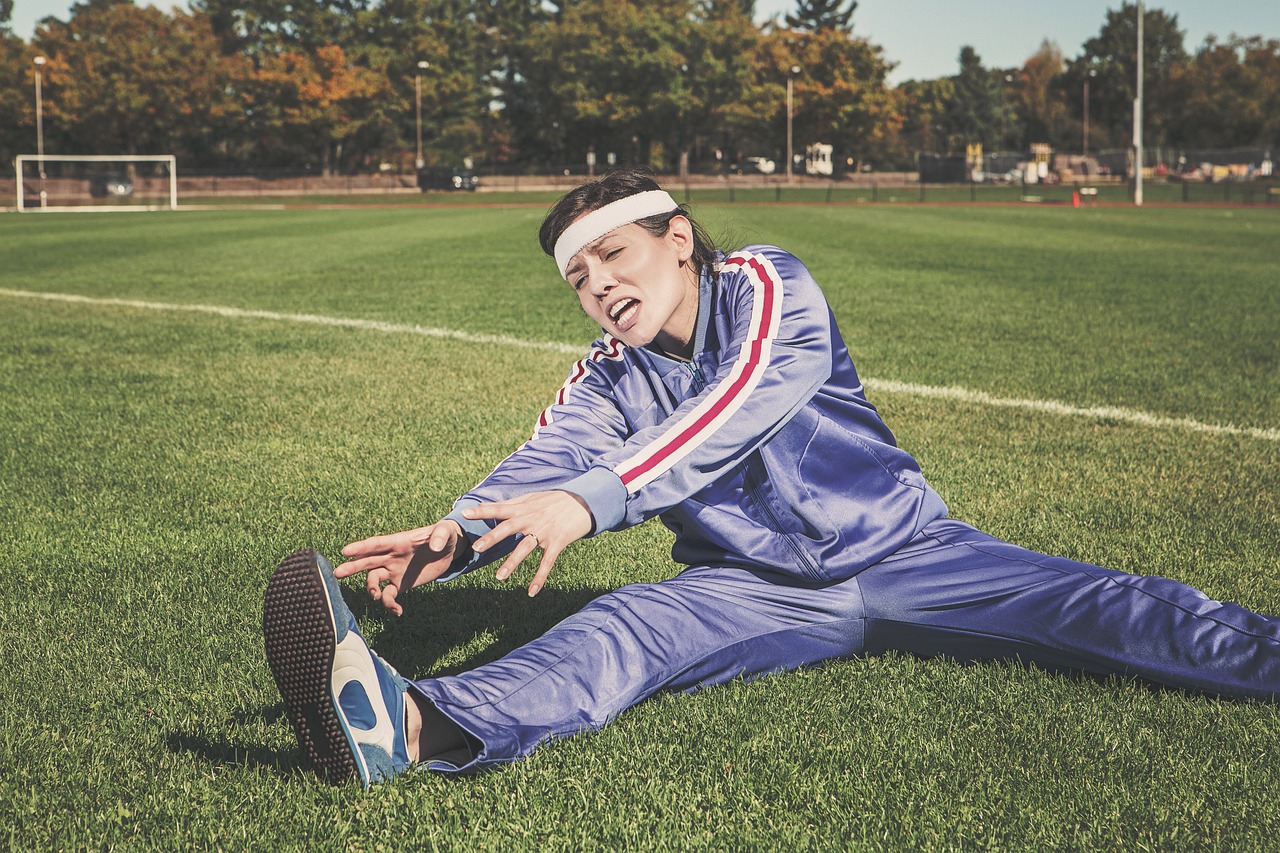
Adapting training to seasonal variations is crucial for athletes. Summer training often allows for outdoor activities due to pleasant weather. In contrast, winter presents unique challenges, such as colder temperatures and snow. These seasonal transitions impact an athlete’s performance, objectives, and overall routine. Moreover, athletes must consider safety, specific training gear, and optimal hydration. In summer, heat impacts hydration levels, requiring athletes to consume water consistently. Proper safety gear is also essential for winter environments. Athletes should invest in quality footwear and clothing that can withstand cold conditions. Additionally, understanding the risks of strained muscles due to a shift in temperature is vital for injury prevention. Utilizing appropriate warm-ups can significantly reduce these risks. During training, diversifying the workout routine becomes increasingly important, especially in colder months where indoor facilities may be limited. Athletes may also explore alternatives like swimming or specialized indoor sports to maintain fitness levels. In contrast, summer allows participants to perform outside in nature, enhancing both physical and mental health. Adapting to these seasonal changes is an ongoing process that ensures consistent performance and support for athletes’ long-term goals.
Physical and Mental Adaptation
The physiological adaptations athletes experience through seasonal changes are profound. In winter, muscular adjustments occur in response to cold temperatures, necessitating different training methods. This could entail shorter, high-intensity sessions designed to maintain strength and endurance. Conversely, summer training typically includes more prolonged cardio sessions to optimize performance in warmer conditions. Athletes must monitor their body’s response to these environmental shifts to prevent overheating or hypothermia during practices. Furthermore, mental adaptability is equally significant. The psychological impacts of changing seasons can influence motivation and overall performance. In summer, longer daylight hours can foster a more positive training environment, whereas winter may trigger seasonal affective disorders in some individuals. This necessitates the integration of mental health resources into athlete education programs. Athletes should explore mindfulness and mental resilience techniques to enhance focus and combat seasonal depression. Further, keeping a training diary could help track performance, feelings, and physical changes through different seasons. Practical, personalized strategies can help athletes achieve their potential while cultivating a balanced approach to fitness. Seasonal transitions challenge athletes to remain adaptable, emphasizing the importance of holistic training approaches and mental health.
As athletes alter their training regimen between seasons, nutrition plays a pivotal role in optimizing performance. In summer, higher temperatures can lead to increased sweating and loss of electrolytes. Thus, replacing fluids with electrolyte-rich drinks becomes essential. A balanced diet rich in carbohydrates is crucial for endurance training in warmer weather. Conversely, winter months may necessitate a higher intake of fats and proteins to maintain energy levels in colder temperatures. Athletes must be mindful of their nutritional needs to support their training goals and overall well-being. Seasonal food varieties can also enhance the diet quality. Foods rich in antioxidants can further support recovery during hot months, while warming, nourishing meals can help combat fatigue during colder seasons. Regular consultations with a sports nutritionist can provide tailored dietary guidance. This can help athletes adjust their meal plans to account for seasonal differences and specific training demands. Additionally, understanding these nutritional principles can directly maximize training effectiveness and overall health. Maintaining optimal nutrition year-round ensures that athletes are well-equipped to handle the rigors of their training schedules smoothly, regardless of the season. This comprehensive approach fosters sustainable athletic development.
Weather conditions significantly influence athletes’ options for training and recovery during seasonal transitions. In summer, outdoor training offers unique advantages such as vitamin D absorption, which is important for bone health. It’s also a great way to incorporate cross-training into a regimen, helping to relieve repetitive strain on muscles. Conversely, inclement weather during winter months can limit outdoor activities. Therefore, athletes might need to rely on indoor facilities or home workouts. Understanding when and how to adapt the training plan around these changes is vital. In addition, knowing the best practices for recovery is paramount regardless of the season. Athletes should employ recovery strategies like yoga and stretching to improve overall flexibility. These techniques can be implemented year-round, but they may require adaptation based on the environmental context. For instance, after outdoor training in summer, cooling down might involve hydration and restorative practices in a shady space. On the other hand, winter recovery strategies should include warmth and relaxation to alleviate muscle tension. Furthermore, athletes should remember the importance of sleep as part of recovery in all seasons. Prioritizing rest and relaxation is crucial for sustained performance and long-term success in sports.
The Role of Gear and Equipment
Choosing appropriate gear is essential for athletes as seasons change. Summer training typically necessitates breathable clothing and lightweight footwear that can provide support and comfort during long sessions. Fabrics designed to wick moisture away can help maintain body temperature and prevent overheating. While investing in excellent summer gear is vital, winter training requires attention to different elements. Athletes need to prioritize insulation, waterproof materials, and proper foot traction to remain safe and comfortable. Thus, layering clothing is recommended in winter months, facilitating comfort as temperatures fluctuate throughout the day. Specialty gear, such as grips, can enhance safety and performance across all sports during cold and wet months. Furthermore, being equipped with the right tools contributes to optimal training efficiency and reduced injury risk. Athletes should regularly reassess their equipment and gear, discarding items that do not fit correctly or are limited in function. This ongoing evaluation ensures that all gear aligns with athletes’ evolving needs with changing seasons. Whether preparing for a summer marathon or a winter sports competition, investing in suitable equipment is integral to their success. This cost-effective commitment reflects their dedication to maintaining peak performance throughout the year.
Training techniques must evolve alongside athletes’ understanding of their unique needs across seasons. High-intensity training is often more effective in warmer months due to increased stamina and outdoor accessibility. Athletes can engage in various aerobic exercises outdoors, such as trail running or cycling, to enhance cardiovascular fitness. Additionally, group training sessions become more popular during summer, as teammates find motivation and camaraderie. In winter, switching to low-impact routines may be more appropriate to avoid injuries caused by slipping or overexertion. Here, athletes should incorporate resistance training and focus on core stability and strength. This shift ensures that they maintain peak physical condition while safely adapting to the conditions. Another technique of enhancing seasonal training is incorporating technology. Many athletes now use wearable devices that track progress and monitor vital statistics. This technology can be instrumental during seasonal adaptations, allowing athletes to adjust their training loads effectively. Furthermore, the integration of virtual coaching helps athletes access customized training sessions tailored around seasonal transitions. Such adaptations enhance their training efficiency and support a culture of continuous improvement. Embracing these new techniques provides athletes with essential tools for navigating the complexities of seasonal training.
Finally, fostering community and support systems within sports environments fortifies athlete resilience during seasonal changes. Engaging peers in shared training can enhance motivation, particularly as seasons shift. Seasonal training workshops can help athletes understand adaptation principles while building camaraderie within teams. Whether finding partners for outdoor runs or encouraging backup plans for winter workouts, community support is pivotal. Furthermore, these social dynamics help athletes feel less isolated during challenging adjustments. Many sports organizations offer communities to promote knowledge exchange regarding seasonal training challenges. Athletes can also benefit from mentorship opportunities where seasoned competitors share their experiences and adaptive strategies. The power of shared experiences and collective wisdom can significantly influence how athletes navigate their individual training journeys across seasons. For true success, athletes should strive to participate in team-building activities throughout the year, solidifying bonds while enhancing performance. Maintaining a solid support system serves to remind athletes of their shared goals and provides motivation even through challenging training modules. Ultimately, fostering these social values is essential for developing a culture of support, resilience, and achievement in the face of seasonal challenges.
summer vs winter training tips infographic