
Assessing the Hydration Quality of Plant-Based Milk Alternatives
Hydration is crucial for overall well-being, especially for those following a plant-based diet. Many individuals are increasingly attracted to plant-based milk alternatives, offering diverse flavors and nutrients. These alternatives serve not only as hydration sources but also contribute to various dietary needs. Popular options include almond, soy, oat, rice, and coconut milk. Each of these options brings unique properties affecting hydration quality. Hydration quality hinges on several factors like nutrient density, electrolyte content, and digestibility. It’s crucial to evaluate these milk alternatives through the lens of hydration. This includes examining their water content, ability to replenish fluids, and contributions to one’s daily hydration goals. Consumers may overlook these aspects, not realizing how they impact health and performance. Moreover, some plant-based milks contain added sugars and preservatives, potentially hindering hydration. Understanding the properties of these alternatives empowers consumers to make informed choices. Thus, a thorough assessment of hydration quality in plant-based milks can help ensure adherence to healthy hydration strategies. Delving deeper into the hydration aspects will benefit those committed to a plant-based lifestyle.
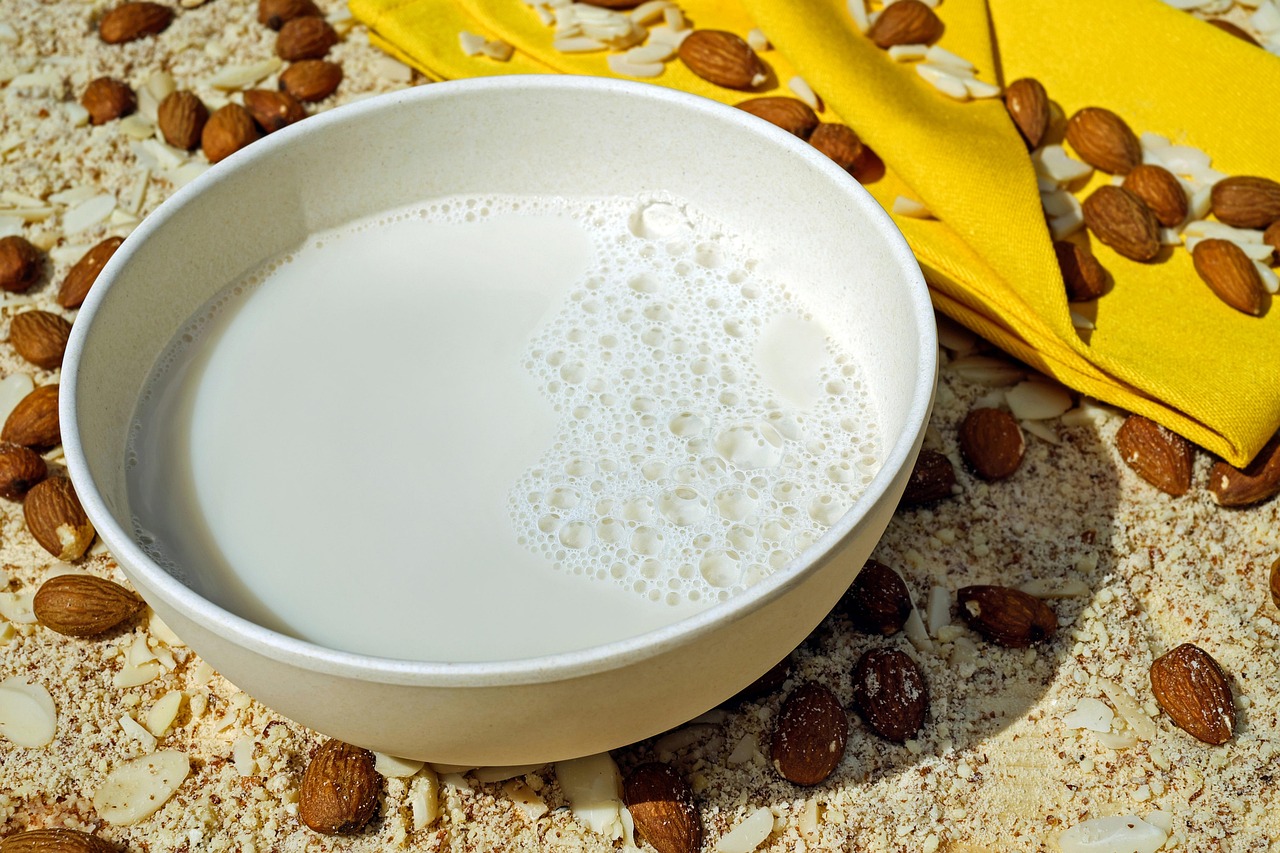
A critical factor in the hydration quality of plant-based milk alternatives lies in their water content. Beverages with higher water percentages effectively provide hydration, while those with lower water content may not fulfill hydration needs. For instance, almond milk generally has a water content of about ninety-five percent, making it an excellent choice for hydration. On the other hand, coconut milk, particularly canned versions, is thicker and may contain less water. The nutrient composition, such as carbohydrates and proteins, contributes to the overall hydration effectiveness as well. Some plant-based milks come enriched with electrolytes like calcium and magnesium, which can promote better hydration. This makes them not just refreshing but also functional in maximizing fluid retention. Additionally, considering unsweetened versions of these beverages is important, as sugar can draw water into the intestines, leading to dehydration. Therefore, it is essential to choose options that prioritize hydration over taste and convenience. Ultimately, assessing water content in plant-based milk alternatives determines their efficiency in supporting hydration goals.
Nutrient Density and Hydration
Nutrient density directly affects the hydration quality of beverages, including plant-based milks. Beverages rich in essential nutrients, vitamins, and minerals can better support bodily functions during hydration. For example, soy milk, fortified with essential nutrients, offers both hydration and nutritional value. High protein content in soy milk assists in hydration retention and overall satiety. Furthermore, vitamins like B12 and calcium are substantial for a healthy diet, particularly in those eliminating animal products. Oat milk, known for its beneficial fiber content, aids digestion, offering a more sustained energy release. This slower digestion can lead to more prolonged hydration benefits throughout the day. Conversely, lower nutrient density options, like certain rice milks, may not provide adequate hydration benefits. They tend to lack proteins and fibers, leaving drinkers without substantial nutrition but simply sad hydration. Therefore, when selecting a plant-based milk, assessing nutrient density is essential for better hydration quality. This not only enhances hydration but also boosts overall dietary satisfaction and health.
Electrolyte content plays a pivotal role in enhancing the hydration quality of plant-based milk alternatives. Essential electrolytes, such as sodium, potassium, and magnesium, can determine how well a liquid hydrates the body. For instance, fortified milks containing added electrolytes can significantly improve hydration, especially post-exercise. Coconut milk, rich in potassium, has garnered popularity among those seeking to replenish lost electrolytes after physical activity. Similarly, the incorporation of sea salt in certain plant-based durability beverages maximizes electrolyte content. However, it is important to be cautious with the levels of added sodium and sugars. Excessive sodium can lead to dehydration, while high sugar content can negate hydration efforts. Therefore, options that balance electrolytes effectively without overwhelming the drinker with sugar should be prioritized. Ultimately, evaluating the specific electrolyte profile of plant-based milk alternatives is essential for maintaining optimal hydration levels. Choosing wisely ensures that these beverages contribute not only to hydration but also to overall health and wellness, enabling individuals to thrive on a plant-based diet.
The Role of Digestibility in Hydration
Digestibility is crucial for assessing hydration quality since poorly digestible liquids can hinder hydration. Plant-based milk alternatives vary in how easily they are assimilated by the body. For example, soy milk is generally easily digestible for most people, making it an excellent choice for hydration. Conversely, some individuals may experience discomfort after consuming almond milk due to its higher fat content and potential allergens. This discomfort can lead to suboptimal hydration due to reduced fluid intake. Additionally, the fat content in coconut milk can slow digestion, potentially impacting hydration levels negatively. Therefore, understanding one’s digestive tolerance is paramount when selecting plant-based milks for hydration purposes. People with lactose intolerance may find comfort in oat or nut milk alternatives that are easier on the stomach. Additionally, consuming a combination of plant-based milks may enhance overall hydration quality by balancing fats, nutrients, and flavors. Personalizing choices based on digestive ease can optimize fluid intake, ultimately supporting hydration goals. Hence, individuals are encouraged to experiment with various options and find their best-match beverages.
To achieve better hydration quality, it’s essential to incorporate a variety of plant-based milk alternatives into one’s diet. Relying solely on one type may lead to nutrient deficiencies or imbalanced hydration. For example, mixing products like soy and almond can provide varied nutrients and flavors. This strategy not only enhances the overall taste but also maximizes the hydration benefits derived from each milk. Additionally, different beverages can offer unique properties, such as fiber, vitamins, and antioxidants, which promote health alongside hydration. Furthermore, individuals can utilize plant-based milks in diverse ways, such as smoothies, soups, or cereals, increasing their daily intake. This not only incorporates hydration through beverages but also bolsters hydration through various meals. Choosing different pack sizes ensures flexibility, enabling people to explore various flavors and textures. Consequently, diversifying plant-based milk consumption can significantly enhance hydration quality, creating a more enjoyable experience. Thus, it’s prudent for consumers considering these alterations in plant-based milks to strive for variety for improved health and hydration outcomes.
Conclusion: Making Informed Choices
Choosing the right plant-based milk alternatives is essential for improving hydration quality. Individuals must consider various factors, including water content, nutrient density, electrolyte presence, and digestibility. By understanding these elements, consumers can make informed selections that cater to their hydration needs. Continuous personal experimentation is vital in determining which plant-based milks suit individual preferences and provide hydration solutions. As the variety of plant-based milks continues to grow, choices must prioritize hydration without compromising other vital nutrients. Ultimately, being conscious of hydration in beverage choices empowers individuals on plant-based diets to thrive. This approach assists in achieving broader health goals, maintaining optimal hydration, and ensuring overall well-being. In today’s world of increasingly diverse beverages, adapting hydration strategies becomes imperative. Stay informed about the hydration qualities of these alternatives, and embrace the diversity they offer to foster better choices. Fostering a thorough awareness not only impacts hydration but also contributes to sustainable health practices for the future.