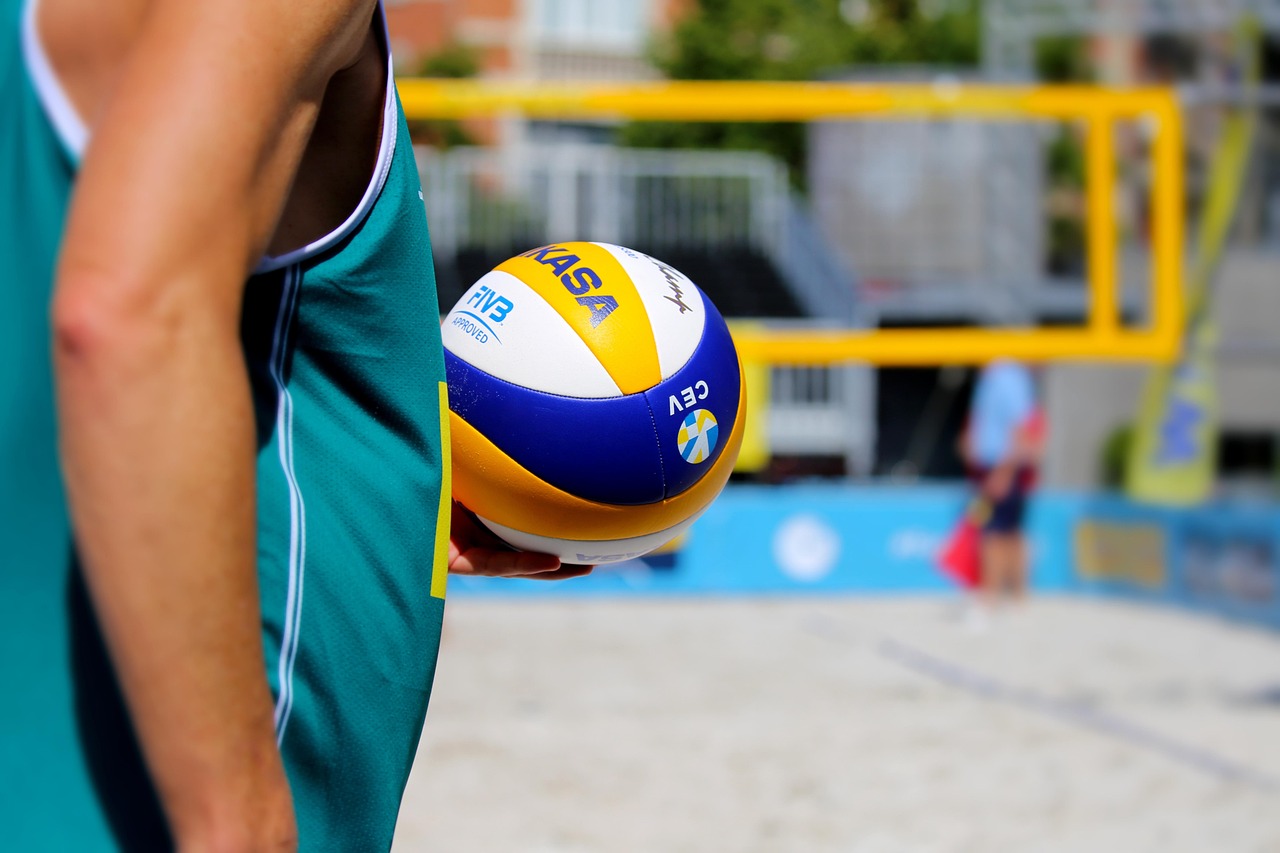

The Psychology Behind a Confident Volleyball Serve
A confident serve in volleyball is more than just a physical action; it’s a mental game that integrates psychology and technique. Athletes often overlook the psychological factors that influence their performance. Cultivating a strong mindset can dramatically enhance serving skills and overall effectiveness. Developing self-assurance can help players better focus on mechanics and make strategic decisions during matches. Players should pay attention to their thoughts and emotions during serves, recognizing that feeling mentally strong plays a crucial role in serving consistently well. Visualization techniques are beneficial; players can picture a successful serve before executing it. A positive mindset is paramount for overcoming pre-game jitters. Confidence can be built through practice: extensive drills and repetition lead to improved muscle memory. Setting achievable goals creates a sense of accomplishment. Additionally, players should surround themselves with supportive teammates who foster a positive team atmosphere. For further understanding, explore sports psychology resources or consult with a specialist if necessary. It’s essential to remember that confidence can be nurtured, leading to improved performance on the court and enhanced enjoyment of the game. The psychological aspect of serving is truly a game-changer for any volleyball player.
Improving serve consistency is vital for players looking to excel in volleyball. A confident serve requires precision and technique adjustment, reflecting the importance of mastering these elements. When players understand the nuances of their serves, they gain control over the ball, allowing for strategic plays. An essential factor is the grip on the volleyball. Ensuring a secure grip can enhance power and accuracy in serves, helping players to achieve their desired outcomes. Furthermore, body positioning plays a significant role in the mechanics of serving. Proper stance, shoulder rotation, and follow-through contribute to executing a successful serve. Players should experiment with different serving styles, such as float serves or jump serves, to identify their strengths and preferences. This experimentation can also foster creativity and adaptability, enhancing confidence on the court. In addition to physical training, mental preparation should not be neglected. Setting realistic performance expectations allows players to remain focused and composed, crucial during high-pressure situations. Players can practice mindfulness techniques to tune into their body’s signals and conditions. Remember, every serve is an opportunity to showcase skill and confidence; embracing this mindset creates remarkable growth.
The Role of Visualization Techniques
Visualization techniques play a significant role in developing a confident volleyball serve. Imagining oneself executing the perfect serve can reinforce positive associations with serving. Athletes who visualize their success often find improved performance; this mental rehearsal increases confidence levels. Incorporate visualization sessions into practice routines for best results. Players can visualize the court, identifying which areas are most effective to target. This process allows them to mentally plan their strategy, envisioning the ball’s trajectory and the reaction of opponents. Additionally, visualize the feelings of confidence and control that accompany a great serve. To enhance this practice, athletes should also analyze their previous serves, focusing on areas for improvement. Developing a routine before serving can help create a mental checklist, enabling athletes to approach each instance with composure. While performing visualization exercises, players can consider using breathing techniques to enhance relaxation and concentration. Focusing on deeply inhaling and exhaling can calm nerves and promote mental clarity. It’s essential to remind oneself that both practice and positive thinking are key to developing the skills and confidence necessary for executing successful volleyball serves.
Another critical component to fostering a confident serve is the importance of feedback, allowing players to evaluate their techniques continually. Constructive criticism from coaches or teammates can highlight specific areas that require improvement. This feedback loop helps in refining skills and can guide athletes toward more successful execution of serves. However, it’s essential for players to maintain a positive mindset when receiving feedback. Taking criticism personally can hinder progress, while embracing it can significantly elevate a player’s confidence. Implement regular self-assessments after each training session, allowing players to reflect on their feelings and performance. This practice encourages self-awareness and gives insights into their own mental state. Combining self-assessment with goal-oriented strategies can motivate players to continuously improve. Players can also track their progress in a journal or app, documenting their journey towards mastering serving techniques. Consistent reflection provides a sense of achievement, reinforcing their confidence. Celebrate small victories, recognizing that improvement is a gradual process. Embracing each step can create a fulfilling experience on the court and ultimately lead to a more confident, effective serve.
The Importance of Controlled Breathing
Controlled breathing is critical for maintaining focus and reducing anxiety during serves. Players often experience pressure in competitive environments, leading to tension and hindered performance. Knowing how to breathe properly can mitigate these stressors and encourage a sense of calm. Implement deep belly breathing techniques to create a stable mental state. Inhale slowly through the nose and exhale through the mouth, focusing on each breath. Repeating this process can help players feel grounded before serving. Additionally, integrating breathing technique into the serving routine fosters confidence, establishing a predictable rhythm. Feeling in control during a serve reflects upon the mental aspect of the game. This control can translate into muscle memory, allowing players to execute their serves more effectively. Practice breathing exercises during both training and gameplay sessions. As players gain familiarity with these techniques, the confidence they derive will become integral to their performance. In high-pressure situations, remember to use breathing to maintain composure. Breath control not only supports mental health but influences body control, which is vital for consistency. By mastering this skill, players will naturally enhance their volleyball performance.
Finally, developing resilience plays an essential role in building confidence for serving in volleyball. Players must understand that failures and mistakes are inherent aspects of sports. Learning to accept setbacks fosters a growth mindset that empowers athletes. Coaches can emphasize the significance of resilience in training, encouraging players to view challenges as opportunities for growth rather than obstacles. When players approach their serves with a mindset that embraces learning from mistakes, they are more likely to transform any fears into confidence. Include regular practice sessions that allow players to push their limits. Over time, athletes learn to adapt to various situations, enhancing their resilience in serving. They can also learn to focus on the aspects they control, such as their effort and attitude rather than worrying about external factors. Visualization and mental practice should include scenarios of failure, reinforcing the idea that they can recover gracefully. Emphasizing resilience within the team can create a supportive environment, helping build individual confidence. Cultivating this mentality enables players to serve with authority, knowing they can bounce back from any challenges they face.
Conclusion: Building Confidence for Success
In conclusion, building confidence for a powerful volleyball serve relies on the integration of psychological techniques and physical training. By understanding the importance of mindset, visualization, controlled breathing, and resilience, players can foster the self-assurance necessary for success. The relationship between mental strength and performance cannot be overlooked. A confident serve can lead to greater overall success in matches and within the team structure. Set realistic goals yet embrace challenges, as they contribute to growth. Encourage consistent feedback from coaches and teammates, creating a culture of improvement. Every player’s journey will be unique, and it’s essential to acknowledge and celebrate individual progress. By actively engaging in mental preparation and focusing on personal strengths, players will find joy in the game, enhancing their skills while boosting confidence. As they improve their skills through practice and mental exercises, their serving abilities will naturally flourish. This multifaceted approach emphasizes the blend of psychology and technique in volleyball serving. Ultimately, instilling confidence in serving techniques leads to fulfilling performances and a profound love for the sport.
As you refine your skills on the court, remember that mental well-being is just as crucial as technical prowess. Fostering a positive mental state ultimately translates into improved confidence and performance, not just in serving but in all aspects of the game. Incorporate these psychological strategies regularly during practice and play to enhance focus, reduce anxiety, and build resilience. The journey to becoming an exceptional server takes time and effort, but with determination and the right mental framework, players can achieve their goals. Embrace every moment, learn from experiences, and trust in your training. Keep serving strong!