
What is a Spotter and Why You Need One
In the world of bodybuilding, a spotter plays a crucial role in ensuring safety and maximizing performance during intense workouts. A spotter is someone who assists a lifter, helping them to complete their sets safely, particularly when using free weights like dumbbells or barbells. The main duty of a spotter is to provide physical support or safety in case the lifter encounters problems, such as fatigue or loss of control. This safety net allows lifters to push their limits without fear of injury. Spotters also offer encouragement and motivation during challenging lifts. Spotting can enhance performance as it allows the lifter to focus more on form and technique without the constant worry of dropping weights. Generally, the presence of a knowledgeable spotter can instill more confidence, leading to improved results. In competitive environments, having a reliable spotter is not just important for safety but also to achieve personal and competitive goals. Spotting ultimately fosters a safer and more effective training atmosphere, enabling bodybuilders to train hard while minimizing risks associated with heavy lifting. Overall, spotters are an essential component of responsible bodybuilding.
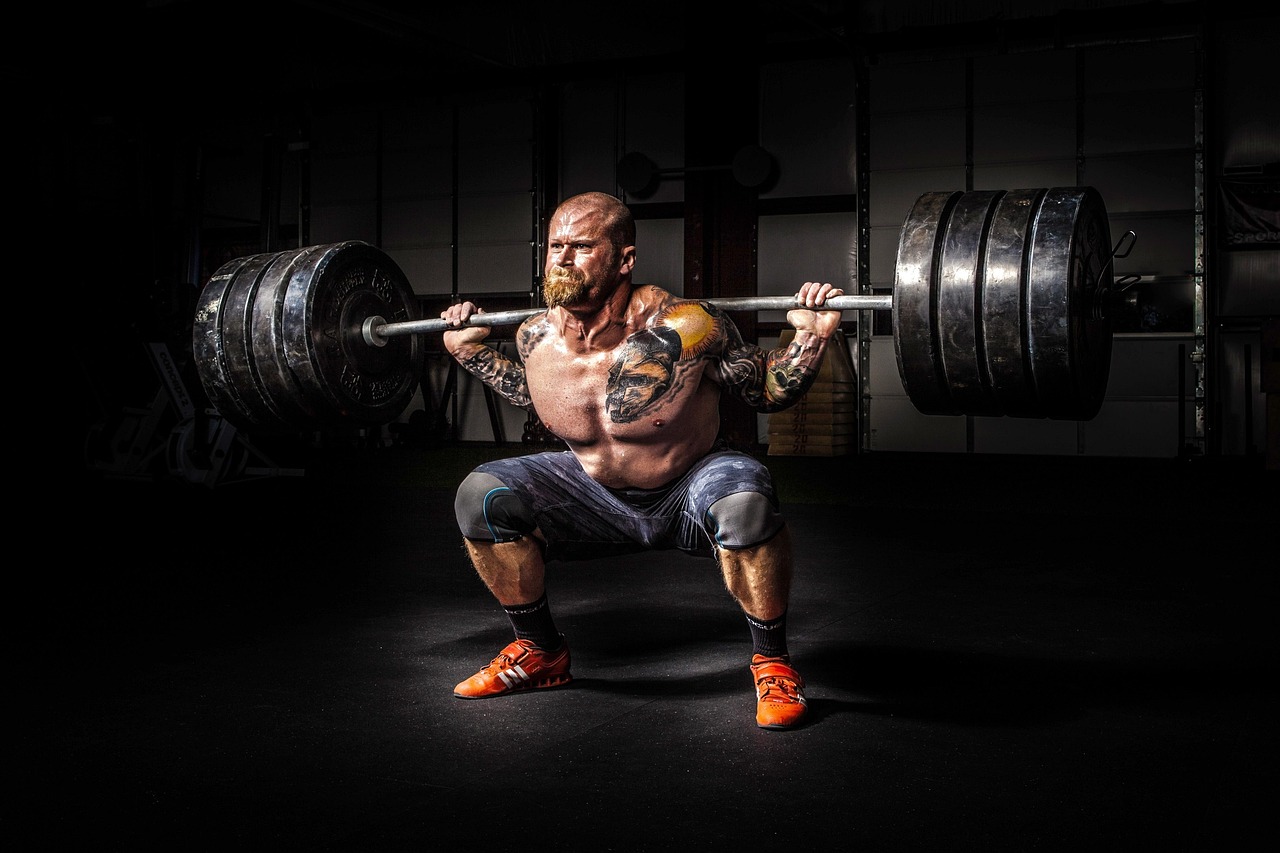
Spotting techniques vary significantly depending on the exercise being performed. For instance, when bench pressing, the spotter should be positioned correctly to both lift the bar if necessary and monitor the lifter’s control. It’s essential for a spotter to be attentive to the lifter’s movements, providing help only when needed. The technique involves the spotter grasping the bar’s sides, ready to assist. Similarly, during squats, the spotter must be positioned behind the lifter to ensure safety if balance is lost. Understanding body mechanics aids the spotter in responding quickly and effectively. Communication between the lifter and the spotter is paramount; lifters should express their needs and intentions before starting a set. Spotters should also ensure the weights are secured properly, as unsteady weights can lead to accidents. Establishing clear signals for starting and stopping a lift helps prevent misunderstandings during a workout. Good spotting can also enhance the lifter’s technique by encouraging better form and focusing on muscle groups. Programs that incorporate these spotting techniques can be incredibly beneficial for bodybuilders at all levels. Effective partnerships create robust training experiences.
Benefits of Having a Spotter
A spotter provides numerous benefits that significantly impact a bodybuilder’s training routine. Firstly, safety tops the list, as having someone to assist during heavy lifts can prevent serious injuries. Spotters ensure that the lifter can push their limits without the fear of accidents occurring, allowing for a more intense workout. Secondly, spotters can help enhance performance by allowing lifters to reach their maximum potential through focused and controlled lifts. This additional motivation can sometimes be just the push needed to accomplish personal records. Furthermore, perfecting technique is another major advantage of having a spotter; they can identify poor form and provide feedback instantly. This immediate correction helps in avoiding bad habits that might lead to injuries in the long run. Additionally, lifting with a partner creates a social and motivational atmosphere, improving the overall workout experience. Good communication and collaboration create a focused environment that leads to better workout outcomes. In essence, having a dedicated spotter transforms a training session from merely lifting weights to an engaging and collaborative effort.
Choosing the right spotter is instrumental in maximizing workout efficiency. Ideally, a good spotter should possess familiarity with the exercises being performed and the techniques involved. Their experience allows them to provide effective assistance and maintain safety standards. Moreover, the spotter should be someone who communicates well, with the ability to give feedback and encouragement. Trust is crucial; a lifter must feel confident that their spotter can handle emergencies effectively. Therefore, familiarity with one another’s capabilities enhances teamwork and reliability. Having a good rapport with a spotter fosters a conducive training environment since both parties can openly discuss goals and expectations. It’s equally important for both the lifter and the spotter to agree upon the workout regimen, discussing specific lifts and the intensity of the weights used. Spotters can also swap roles with lifters during workouts for balanced training. Spotting is a mutual endeavor that not only prioritizes safety but also enhances the effectiveness of strength training. A solid partnership can yield excellent results on both ends, reinforcing the idea of collaborative growth in bodybuilding.
Common Spotting Mistakes
Despite the advantages of having a spotter, common mistakes can compromise effectiveness and safety. One prevalent issue is the lack of proper communication between the lifter and the spotter. When intentions or signals are unclear, the workouts can become chaotic, leading to potential injuries. Additionally, some spotters fail to pay full attention, perhaps distracted or unaware of the lifter’s needs. Inattention can lead to mishaps during critical moments, thus defeating the purpose of having help. Spotting too aggressively is another issue; when spotters intervene too soon, they might disrupt the lifter’s rhythm and prevent them from developing strength. Conversely, being too passive can lead to accidents when timely assistance is crucial. Being out of position is a frequent oversight that can hinder safety. A spotter should be appropriately positioned at all times, ready to react quickly. Additionally, a lack of knowledge about the lift being performed can greatly limit a spotter’s effectiveness; thus, learning about exercises can ensure adequate support. Becoming familiar with these common mistakes allows both lifters and spotters to create a safer training environment.
In conclusion, having a spotter during bodybuilding workouts is not merely a matter of preference; it is a testament to safety, performance improvement, and effective training. Spotters not only assist physically but also provide the encouragement needed to push beyond limits safely. They contribute to perfecting technique, thus reducing the risk of injury over time. Better communication and a proactive approach to lifting can set the foundation for successful training sessions. Bodybuilding is both a physical endeavor and a mental challenge, making the support of a dedicated spotter invaluable. Building a relationship based on trust, openness, and collaboration improves workouts significantly, allowing bodybuilders to focus on goals without fear. Therefore, selecting the right spotter is crucial to one’s overall bodybuilding experience. This partnership also nurtures a healthy environment that fosters motivation, helping individuals remain engaged in their fitness journeys. Engaging with a spotter will enhance your training routine vastly, regardless of your bodybuilding level. Make spotting part of your workout strategy to reap the full benefits of training safely and effectively while pursuing fitness objectives.
Final Thoughts on Spotting
Understanding the role of a spotter can significantly influence one’s training experience in bodybuilding. Spotters not only serve as safety nets during heavy lifts but also function as motivators and mentors within the gym environment. Their role is complex yet rewarding, providing invaluable support to lifters. As bodybuilding continues to evolve, embracing a culture of collaboration helps build stronger communities within gyms. Lifting weights alone can often feel isolating, but with a spotter, lifters can share their challenges and victories, fostering motivation. The importance of preparation cannot be overstated, as ensuring that both the lifter and spotter are on the same page sets the stage for success. Spotting should be viewed as a partnership that encourages growth and development in the sport. As you dive into serious bodybuilding training, consider the impact of working with a reliable spotter. This relationship not only enhances performance but also reinforces commitment to fitness, health, and well-being. In such a competitive field, having someone by your side can make all the difference. Therefore, cultivate these connections and emphasize the vital role of spotting in every workout.
Encouraging Others to Spot
Encouraging fellow bodybuilders to engage in spotting does more than protect individuals during workouts; it helps cultivate a supportive atmosphere in the gym, fostering a strong community among enthusiasts. Whether at a local gym or training facility, creating a culture where spotters are encouraged to be present can lead to improved focus and shared motivation. Beginners may feel intimidated when approaching heavy lifts, and having a spotter can alleviate some of their anxiety. Suggesting that gym members consider the benefits of spotting can inspire camaraderie and cooperation. When experienced lifters volunteer to spot others, they share knowledge and skills that can significantly boost the confidence of novice gym-goers. This mentorship aspect showcases strength not just in the physical sense but also in community building. Sometimes, just having someone to cheer you on can make all the difference. Thus, discussions on spotting should actively be encouraged within bodybuilding circles. Implementing regular spotting sessions could lead to noticeable improvements in training efficiency, overall safety, and community interaction. Promoting these interactions turns individual workouts into shared experiences that enhance the journey of bodybuilding.