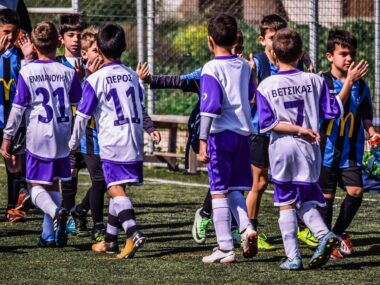

The Relationship Between Coach Communication and Athlete Fairness
Effective communication between coaches and athletes is crucial for developing a culture of fairness and integrity within sports. Coaches play a fundamental role in shaping the moral compass and ethical standards of their teams. By setting clear expectations surrounding fair play, coaches can influence how athletes perceive competition. Open lines of communication allow coaches to address key issues such as sportsmanship, respect for opponents, and the spirit of the game. When coaches consistently model ethical behavior and encourage honest dialogue, they foster understanding among athletes. This, in turn, helps to create a supportive environment that promotes fair play. Coaches should consider implementing regular discussions on the importance of fairness, emphasizing its value in both winning and losing. By integrating these conversations into training sessions, they ensure that ethical principles are front and center. Coaches need to be role models, demonstrating how to handle victories gracefully and losses positively. The ultimate goal is to cultivate athletes who understand and appreciate the significance of fairness, which can have a lasting impact beyond their sports careers.
In addition to verbal communication, non-verbal cues from coaches significantly impact athlete behavior regarding fair play. Coaches can influence their athletes’ perspectives by using body language, facial expressions, and tone of voice. Positive reinforcement, such as praise for ethical conduct during practice, reinforces the importance of sportsmanship. When athletes witness their coaches displaying consistency in values, they are more likely to adopt similar behaviors. Furthermore, effective coaching involves not only communicating the rules of the game but also instilling a sense of personal responsibility among athletes. Coaches can facilitate discussions about peer accountability, where athletes encourage each other to uphold ethical standards. This mutual support among team members plays a vital role in strengthening collective commitment to fair play. By setting team-wide goals centered around sportsmanship, coaches create a sense of unity and purpose. This unification can lead to a team culture that prioritizes fairness over winning at all costs. Encouraging athlete involvement in setting these goals further empowers them to take ownership of their actions and attitudes, thus improving overall team dynamics.
The Impact of Coaching Styles on Fair Play
Coaching styles can profoundly influence athletes’ understanding of fairness in sports. For instance, an authoritarian coaching style might inadvertently promote a win-at-all-cost mentality, undermining the principles of fair play. On the other hand, adopting a democratic or participative approach enables coaches to involve athletes in decision-making processes. This inclusion encourages discussion about fair play practices and establishes a more robust ethical framework within the team. Effective coaches recognize the importance of balancing authority with collaboration. Allowing athletes to voice their opinions and experiences can lead to a more inclusive attitude toward fairness and respect for all participants. Involvement creates a sense of belonging, fostering loyalty and accountability. Coaches who prioritize athlete development over simply winning competitions can produce fair-minded athletes who cherish the game’s integrity. By actively listening and adapting their communication style to meet the needs of their athletes, coaches create environments conducive to learning. This adaptability is essential for cultivating athletes’ ethical judgment, paving the way for an enduring legacy of fairness that can extend into life beyond sports.
Furthermore, the role of emotional intelligence in coaching cannot be overstated when discussing fairness and ethics in sports. Coaches who possess high emotional intelligence can better understand and respond to their athletes’ emotional needs. By creating trusting relationships, they can effectively address concerns about fairness directly. Coaches should be able to recognize when an athlete feels unfairly treated or discouraged about their performance, allowing for timely intervention. Notably, emotional intelligence enables coaches to foster resilience within their teams. Athletes nurturing their emotions can cope better with challenges, maintain focus on fair play, and strengthen their team dynamics. Coaches should implement practices encouraging athletes to articulate their feelings and concerns. This open dialogue not only mitigates conflict but also helps athletes develop their emotional skills. When athletes learn to navigate their emotions constructively, they are more likely to engage positively with their teammates and competitors. In essence, fostering emotional intelligence is instrumental in instilling values of fairness and respect in athletes, enabling them to thrive both in and outside their sporting endeavors.
Creating a Culture of Ethical Leadership
Establishing a culture of ethical leadership within teams starts with effective coach-athlete communication. Coaches should act as leaders, role models, and mentors, guiding their athletes toward understanding the importance of fair play. Clear communication of expectations, as well as a willingness to discuss ethical dilemmas, cultivates an environment where athletes feel empowered to challenge unfair practices. Leaders encourage athletes to speak up not just for themselves but on behalf of their teammates. Promoting fairness must be an ongoing effort ingrained into the team culture, making it a core value of the sporting experience. Regular workshops and training centered around sports ethics can be integrated into the season, enabling coaches and athletes to engage in meaningful discussions. Additionally, recognizing and rewarding outstanding sportsmanship among athletes reinforces commitment to fairness. Ethical leadership demands continuous commitment, requiring coaches to engage in profound self-reflection on their practices. Coaches must evaluate whether their actions align with their stated values, creating a space where ethical conduct transforms into habitual behavior by athletes.
Moreover, the integration of technology in coaching communication presents unique opportunities for fostering fairness in sports. Coaches can utilize various tools such as video analysis, social media, and online platforms to facilitate discussions around sportsmanship and ethical behavior. By analyzing game footage, coaches can illustrate moments of exemplary behavior and instances where fairness was compromised. Creating a culture where athletes reflect on their own performances leads to greater awareness and accountability. Social media can also serve as a platform for coaches to share resources and articles related to fair play and ethics. This encourages continuous dialogue on the subject outside of practical training sessions. At the same time, online resources provide athletes with tools to enhance their understanding of fair competition. This technological approach fosters a collaborative atmosphere among coaches and athletes. Developing a shared understanding of fairness can ultimately lead to stronger relationships. Coaches who embrace innovation in communication show that they care about both performance and values, striking a balance between achievement and ethical sportsmanship.
In conclusion, the role of coaches in promoting fair play is vital in shaping the ethical landscape of sports. Through effective communication—both verbal and non-verbal—coaches significantly impact athlete behavior concerning fairness. By employing a coaching style that fosters athlete participation and solid emotional intelligence, they create an environment supportive of ethical principles. Coaches must prioritize ethical leadership, guiding their teams toward understanding and valuing fair play. Transparency in communication, along with the promotion of ethical dialogues, enhances athletes’ perspectives on the values of sportsmanship. Furthermore, incorporating technology into coaching practices can serve as an invaluable resource in reinforcing concepts of fairness. Overall, the relationship between coach communication and athlete fairness profoundly influences not only the game but also the athletes’ personal development. Coaches have a unique opportunity to shape the next generation of athletes who will carry these fundamental values forward. By emphasizing cooperation, respect, and honesty, coaches ensure a legacy of integrity within the world of sports, which benefits all participants and enhances the overall spirit of competition.