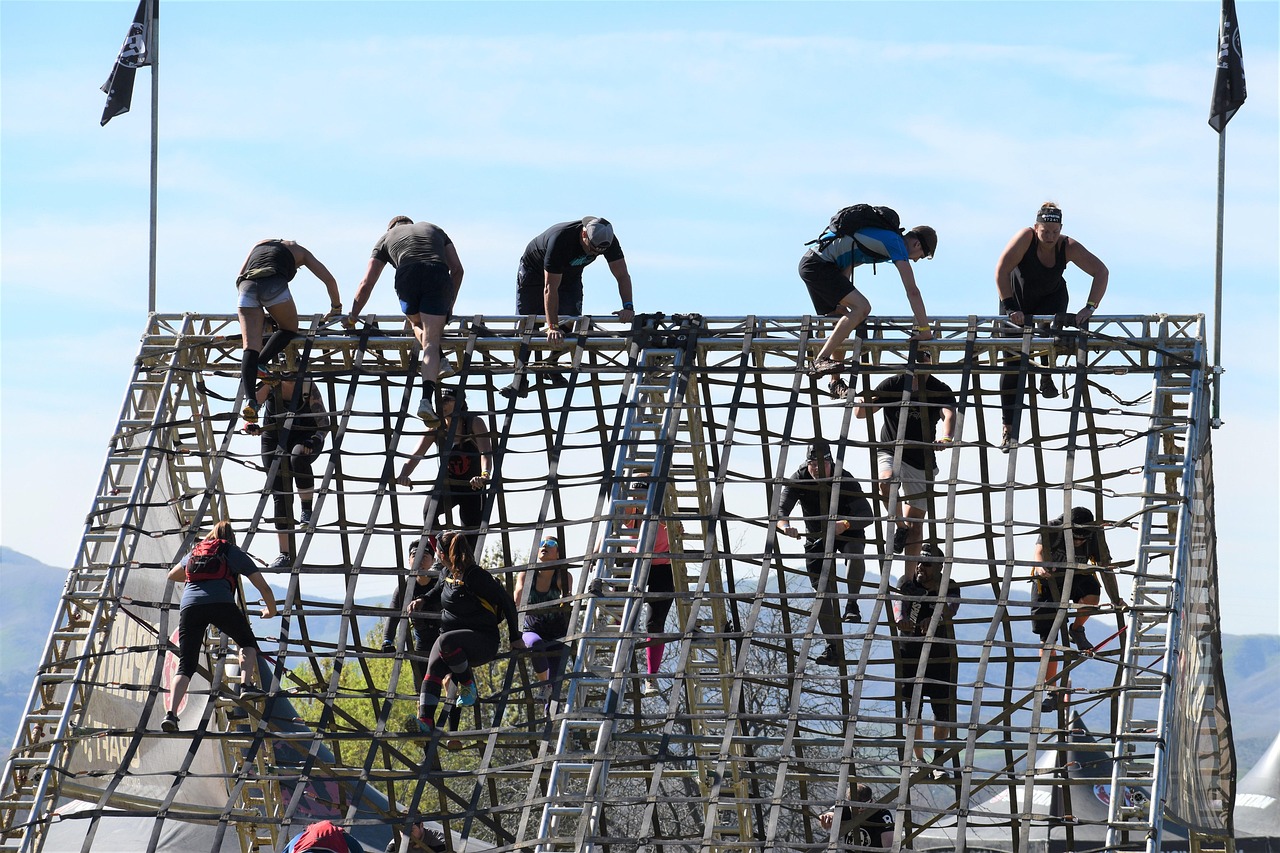

Building Team Spirit Through Youth Fitness Challenges
Engaging kids and youth in fitness challenges offers more than just physical exercise; it promotes teamwork, communication, and healthy competition. These challenges can be tailored to various age groups, keeping them fun and exciting. Activities such as relay races and obstacle courses encourage kids to work together, fostering a spirit of camaraderie. One popular challenge is the “Team Relay,” where kids are divided into teams to race against each other. This format emphasizes teamwork, as each member’s performance influences the group’s overall success. The fun environment created by these challenges motivates kids to push their limits and strive for improvement. Additionally, incorporating themed challenges, like a “Pirate Adventure” or “Space Quest,” adds a playful element, captivating their imaginations. Parents and educators can further enhance team spirit by creating rewards for achievements, not just victory. Certificates or medals can be given out at the end of the event, highlighting each participant’s effort, encouraging future participation. Ultimately, establishing these challenges instills valuable life lessons about cooperation and resilience, all while promoting physical fitness in a vibrant and enjoyable way. Everyone wins when kids get active together!
One effective way to implement fitness challenges is through organizing regular events, such as monthly fitness days. This not only builds a routine but also creates anticipation among kids for these activities. During these fitness days, various challenges can be introduced, from traditional relay races to modern obstacle courses. Each event should include warm-up sessions to prepare the kids physically and mentally. Group warm-ups can be a great bonding experience, setting a positive tone for the day. After the warm-up, kids can be divided into smaller teams to ensure everyone participates. Having teams of different sizes can encourage inclusivity and cooperation among participants. The key is to maintain an atmosphere that celebrates effort and improvement, rather than just the final outcome. Providing ample opportunities for practice ahead of these events will help build confidence in the participants. Furthermore, incorporating feedback sessions post-event can help kids reflect on their performances and teamwork. This not only enhances their skills but also fosters a sense of responsibility. Thus, these monthly events can become a highlight in the children’s calendar, helping foster a love for fitness and teamwork.
Creating Engaging Challenges
Fun fitness challenges can be crafted around popular themes or activities that resonate with kids. Incorporating elements of games or everyday interests can further ignite enthusiasm among young participants. For instance, a scavenger hunt that includes physical tasks could make fitness feel like an adventure. Kids love exploring, so intertwining exercise with discovery keeps them engaged. Another fun idea could involve creating obstacle courses inspired by beloved movies or stories, allowing kids to embody their favorite characters as they navigate physical challenges. Incorporating technology, such as fitness apps, can also track progress and inspire friendly competition. Making use of apps that allow kids to log activities and compete in friendly challenges adds a fun digital twist. You can reward those who reach specific fitness milestones, as this cultivates a sense of achievement. Teachers and parents can further enhance participation by attending and celebrating both big and small successes in these fitness challenges. For even more fun, consider physical challenges that encourage kids to express themselves through dance or art. By connecting fitness with creativity, you keep their interests piqued while promoting a healthier lifestyle.
The collaboration between parents and educators is essential in fostering enthusiasm for youth fitness challenges. By working together, they can create a supportive environment that encourages children to participate. Parents can get involved by volunteering during fitness events, helping organize logistics, and cheering on the teams. Their active participation sets a positive example for kids, showing that staying physically active is an essential part of life. Schools can also offer workshops or informational sessions that educate parents about the importance of fitness in youth development. When parents understand the health benefits and social opportunities presented by these challenges, they are more likely to support their children’s involvement. Encouraging at-home activities that complement school challenges can spark discussions and create fitness-friendly family traditions. For example, take family walks or weekend sports games can reinforce the active lifestyle message. Sharing stories of success, teamwork, and perseverance can motivate kids and provide a lasting impact. Ultimately, combining efforts between parents and educators ensures a well-rounded approach, nurturing healthy habits that can last long into adulthood while fostering an overall sense of community.
The Role of Friendly Competition
Introducing friendly competition into youth fitness challenges can provide motivation and a sense of urgency that often benefits performance. While winning is fun, focusing on personal growth and teamwork can be equally rewarding. Emphasis on personal bests can help kids feel accomplished, regardless of where they place. Simple time trials or distance challenges encourage participants to measure their progress against their past performances rather than others. This fosters a positive mindset, encouraging kids to push themselves while maintaining team spirit. Additionally, friendly competitions, like partner races, can encourage bonding, as teammates strive together for improvement. With the right mindset, these events teach kids valuable lessons about grace in both victory and defeat. Teachers can provide constructive feedback focused on effort and strategies after the events. Furthermore, celebrating milestones, such as completing a first obstacle course or achieving a personal best, builds confidence and reinforces participation. By creating a culture of support, where each child’s effort is valued and acknowledged, fitness challenges can be an inclusive experience. Ultimately, instilling healthy competition will shape kids not only into athletes but also into resilient and motivated individuals.
As youth fitness challenges evolve, the importance of adaptability and inclusivity cannot be overlooked. Inclusion ensures that every child, regardless of ability, can participate authentically and meaningfully. Challenges should always consider varying skill levels, providing alternative options for those with different capabilities. For example, when setting up an obstacle course, instructors can create multiple pathways that cater to varying degrees of challenge. This variety ensures participation from all, fostering group support, and promoting encouragement for one another’s performance. Likewise, considering how challenges may impact children with physical or developmental limitations can shape the structure and implement support systems where necessary. Creating adaptive fitness strategies that align with fitness challenges ensures no child is left behind. Holding discussions with parents and specialists can help tailor offerings in a way that promotes wellness for everyone. Moreover, social inclusion promotes friendships and teamwork among children, reducing isolation. Events can be designed with team-building exercises that particularly focus on communication and cooperation. By ensuring inclusivity, fitness challenges demonstrate a community spirit, helping kids learn the importance of acceptance and unity in their interactions.
Conclusion and Future Fostering
In conclusion, designing youth fitness challenges goes beyond mere enjoyment; it emphasizes the development of essential life skills. Engaging kids in teamwork fosters a sense of community, camaraderie, and resilience that can carry into other life aspects. As challenges evolve, maintaining a focus on health, fun, and inclusivity is vital. Collaboration among parents, educators, and children ensures activities are relevant and enjoyable. Moreover, encouraging friendly competition nurtures individual growth while strengthening bonds among participants. Regularly incorporating feedback will evolve future activities, allowing for continuous improvement and excitement. Building a culture of fitness that champions diversity, creativity, and support enriches the physical and social development of kids. Ultimately, the goal is to instill positive habits making fitness an integral part of their lives. The lasting memories kids create through these challenges will serve as a foundation for their health journey. Implementing these structured activities ensures they have a fruitful experience that teaches valuable life lessons, promoting a proactive lifestyle as they transition into adulthood. The hope is to see these initiatives expand, bringing even more fun and engagement in the future.
Creating a lasting impact requires thoughtful planning, resources, and continuous adaptation to meet kids’ evolving interests and needs. Being receptive to feedback will help refine the activities, ensuring they remain dynamic and appealing. Ultimately, the aim is to foster healthy habits in youth that last a lifetime.