
How Hydration Affects Your Golf Swing and Concentration
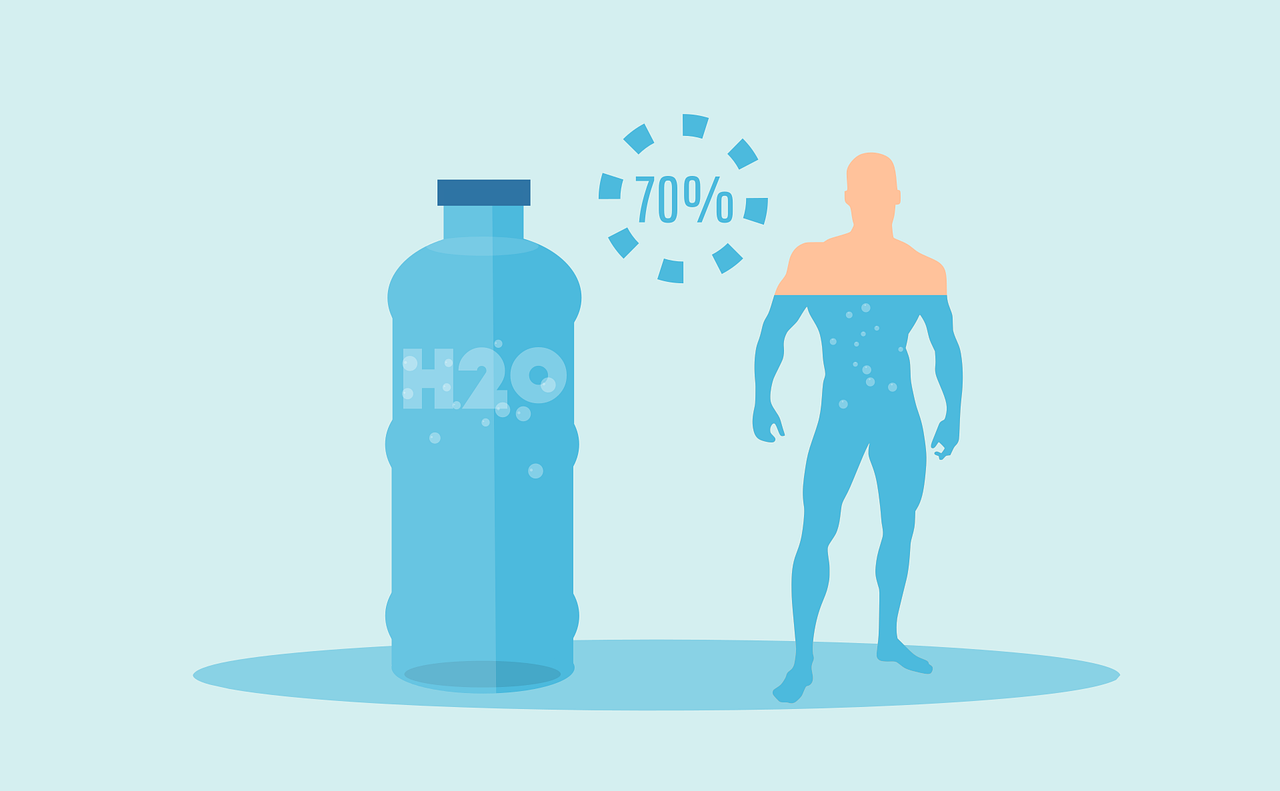
Golf is a game that requires precision, focus, and physical stamina. One crucial aspect that many golfers often overlook is hydration. Adequate fluid intake is essential for optimal performance on the golf course. Dehydration can lead to reduced muscle function, impair cognitive abilities, and ultimately diminish your golfing skills. Maintaining hydration ensures that your muscles are performing efficiently and your concentration levels remain high throughout the game. When you are well-hydrated, your physical body and mental faculties operate seamlessly together. Insufficient hydration can lead to fatigue and decreased strength, which impacts your swing mechanics. Remember, every golfer must understand how hydration plays a significant role not only in physical performance but also in mental sharpness and grip feel. This article explores the importance of hydration as it relates to golf and offers suggestions on how to maintain proper fluid levels throughout your playing day. By the end, golfers can appreciate the critical links between what they drink and their golfing prowess on the course.
Hydration affects mental concentration, which is vital for making accurate swings and informed decisions on the course. Research indicates that even mild dehydration can impair cognitive function, leading to cloudy judgment, slower reaction times, and decreased focus. Golfers often need to make rapid choices based on changing circumstances, from adjusting their swing to reading the greens. This level of cognitive demand requires proper hydration to support sharp mental clarity. Furthermore, a lack of adequate fluids can increase feelings of anxiety and stress, further detracting from a golfer’s performance. The right amount of hydration can create a calm state of mind, enabling focus on strategy and execution. Keeping hydrated not only benefits your physical form but also enhances your mental state, providing a competitive edge. Being aware of this connection underlines the necessity for golfers to drink fluids regularly, particularly during long rounds or in hot conditions. Incorporating hydration breaks into your game plan can offer substantial returns in your concentration levels. Make hydration a key part of your pre-round and in-round routine to sustain peak performance.
Different types of fluids can impact hydration levels differently, which makes knowing your options crucial for elite performance. Water is the most essential fluid in maintaining hydration, but sports drinks containing electrolytes can also be beneficial. These beverages help replace lost minerals and provide quick energy during long rounds, especially when sweating is involved. However, it’s important to balance your intake of water and electrolyte-infused drinks to avoid gastrointestinal discomfort. Too much sugar or caffeine can lead to dehydration, which can hinder your performance and disrupt focus. Also, consider the weather conditions when choosing your fluids. Hot and humid days will call for increased fluid consumption. As you assess your hydration needs, recognize that individual requirements may vary based on physical exertion and personal sweat rates. Thus, maintaining a consistent hydration schedule is paramount. It is generally recommended to drink about 16-20 ounces of fluids two to three hours before your tee-off. This pre-hydration enables the body to absorb and utilize the fluids effectively, promoting a higher level of alertness and energy during your game.
The Role of Nutrition in Hydration
Besides drinking fluids, nutrition plays an integral role in maintaining hydration levels necessary for a strong golf game. Foods with high water content can complement your fluid intake remarkably. Fruits and vegetables, such as watermelon, cucumbers, oranges, and strawberries, are packed with water and can help you stay hydrated. Moreover, these foods provide vitamins and minerals crucial for muscle function and recovery. Incorporating such foods into your diet can enhance your overall hydration strategy, particularly before and after rounds of golf. Foods rich in potassium, such as bananas, also help maintain electrolyte balance, thereby further improving your hydration status. Consuming a balanced diet with adequate carbohydrates, proteins, and fats will also support your energy levels during extended play. Your body will perform better throughout your game and manage stress and fatigue more effectively. Ultimately, paying attention to both hydration and nutrition can significantly improve both swing mechanics and decision-making abilities on the course. Adopting a holistic approach to nutrition and hydration ensures that every aspect of your game is optimized.
The timing of your hydration can be as vital as the amount you consume on the golf course. Many players wait until they feel thirsty to drink, which is a common mistake that can lead to dehydration. Thirst can be an unreliable indicator of fluid needs, particularly during physical activity. To maintain optimal hydration levels, it is recommended that golfers drink fluids consistently throughout their game – not only when they feel thirsty. Establishing a routine that includes drinking small amounts of water or sports drinks at intervals can be more effective in managing hydration levels. For instance, taking a few sips after every hole or drinking regularly during practice sessions will help condition your body to maintain hydration more effectively. Players should also pay attention to their body signals and adapt their drinking habits to suit intensity and environmental conditions. With effective timing and continuous fluid intake during your game, your performance on the course will improve significantly. Staying preemptively hydrated ensures that both your physical execution and cognitive skills are maintained at peak levels.
Tips for Staying Hydrated on the Course
Staying hydrated while on the course can be made easier with a few practical tips. First, always carry a water bottle or hydration pack while playing. This constant access to fluid will encourage you to drink more frequently. Consider freezing water bottles the night before; as they melt during play, you will have cold hydration readily available. Establishing a personal hydration goal can motivate you to keep track of your fluid intake throughout your round. For example, aim for a specific number of ounces per hour based on your body weight and playing conditions. You can also use a hydration tracking app to monitor how much you drink over time. Plan hydration breaks as part of your strategy, particularly after intense drives or tricky holes. Sharing these moments with friends on the course can enhance camaraderie while emphasizing the importance of hydration. Finally, listen to your body. If you feel fatigued or headachy, it might indicate dehydration requiring immediate attention. Make hydration an enjoyable part of your golfing experience.
Overall, understanding and prioritizing hydration is an essential component of golf fitness that every player should take seriously. It influences physical performance, mental clarity, and overall enjoyment of the game. Elevated focus and enhanced swing mechanics are direct results of proper hydration strategies implemented before, during, and after one’s rounds. Always remember that no player is immune to the detrimental effects of dehydration. By prioritizing hydration, golfers can set themselves up not only for improved performance but also for longevity in the sport. When every shot counts, and every round is a chance to improve, hydration should never be an afterthought. Commit to creating a hydration plan that works for you and maintain a consistent approach. Golf is a demanding sport, and optimizing all aspects, including hydration, is vital for success on the course. As you adopt better hydration habits, consider keeping records of how well they are helping your game. Share your experiences with your peers, encouraging a culture of wellness within golf that acknowledges hydration as key to unlocking performance potential.