
Plyometric Aerobic Dance for Post-Rehabilitation Fitness
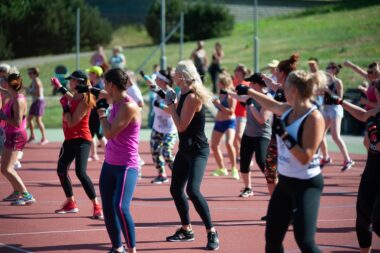
Plyometric aerobic dance is an innovative approach that combines rhythmic movements with high-intensity plyometric exercises. This method promotes cardiovascular fitness while enhancing flexibility and strength, making it an ideal choice post-rehabilitation. For individuals recovering from injury, a tailored routine can facilitate safe progress, helping to rebuild confidence and physical capabilities. Plyometric drills can effectively engage both the upper and lower body, delivering full-body workouts that are enjoyable and motivating. Each session can be customized to accommodate various fitness levels, ensuring that everyone benefits from this dynamic activity. Research indicates that plyometric exercises are excellent for reconditioning after injuries, provided they are introduced gradually. Those who have undergone surgery or experienced severe injuries must consult with healthcare professionals before starting any routine. Incorporating music into the workouts can further boost morale and enjoyment. Many participants find that a fun atmosphere helps them push through challenging segments. This method excels at fostering a balance between exertion and enjoyment, which is vital for adherence in fitness programs. When implemented correctly, plyometric aerobic dance encourages participants to reach their fitness goals while supporting overall recovery.
Benefits of Plyometric Aerobic Dance
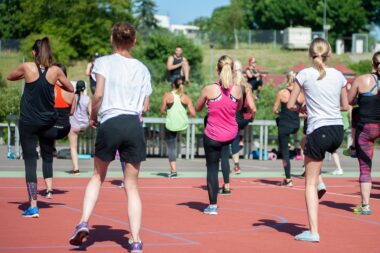
The benefits of plyometric aerobic dance extend beyond mere physical fitness. This exercise form is particularly beneficial for improving coordination, agility, and balance, which can often be compromised during rehabilitation. Engaging in rhythmic movements combined with explosive exercises enhances neuromuscular connections, facilitating better movement patterns. Improved coordination can lead to greater body awareness, making daily activities easier and safer during recovery. Additionally, plyometric aerobic dance serves as a powerful tool for increasing bone density, a crucial aspect for those recovering from bone-related injuries. Regular participation in this form of exercise helps in building stronger bones and muscles over time. Also, engaging in group sessions can foster a sense of community, which is particularly valuable during recovery. Participants are likely to encourage one another, share experiences, and motivate each other to persist with the exercises. This social aspect can improve mental health while boosting overall perseverance in fitness endeavors. Moreover, the combination of aerobic and plyometric elements accelerates calorie burn, aiding in weight management—a critical factor in post-rehabilitation schemes. Overall, the holistic advantages of plyometric aerobic dance make it a compelling choice for fitness enthusiasts.
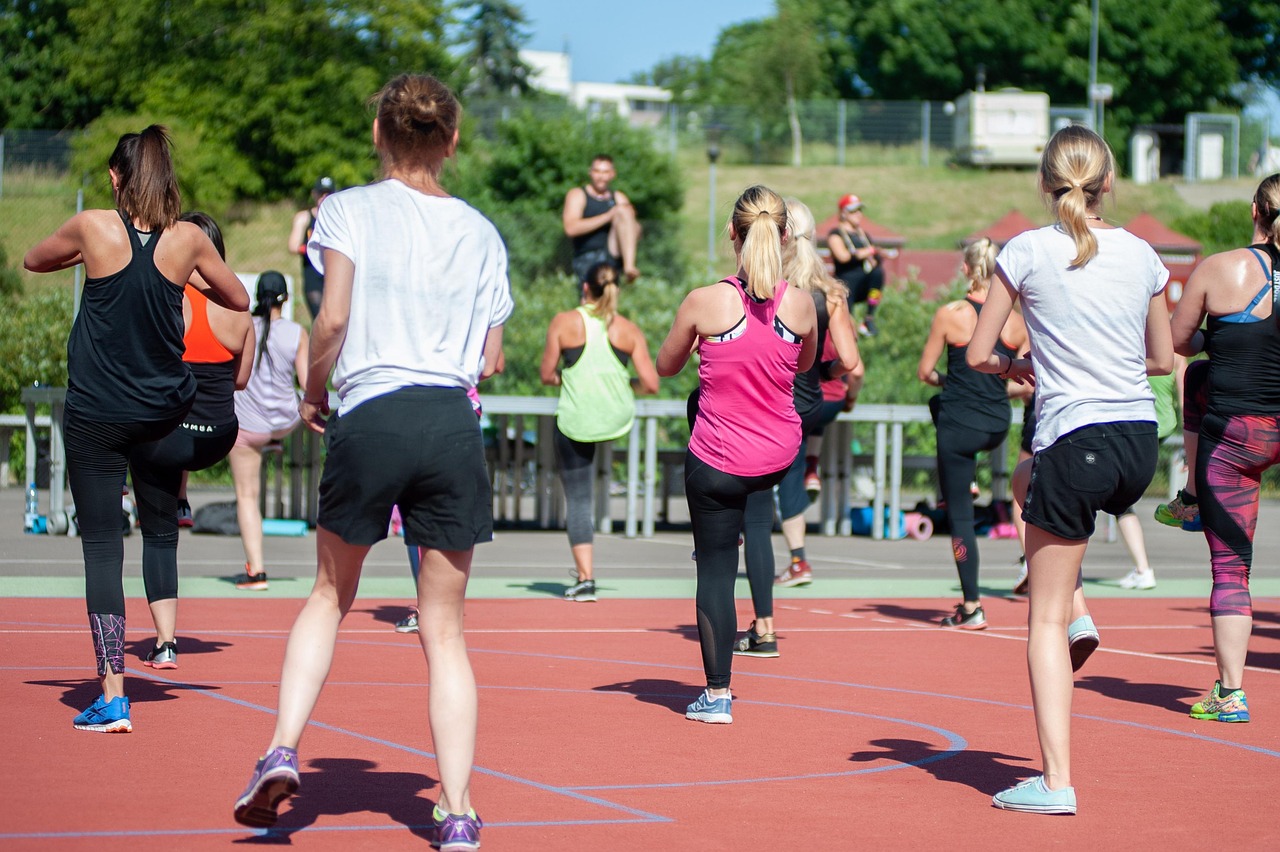
Plyometric aerobic dance routines typically consist of various components designed to build strength, endurance, and flexibility. A typical session may incorporate warm-up exercises that engage major muscle groups, followed by rhythmic dance sequences interspersed with high-intensity plyometric moves. These could include jumps, hops, and quick footwork, which elevate heart rates and promote cardiovascular health. As participants progress, the choreography can be challenged with additional complexity, allowing individuals to work at their own pace according to their recovery needs. Cool-down stretches are equally important, promoting muscle relaxation and aiding recovery. The inclusion of stretching ensures that flexibility is maintained or increased throughout the regimen. Moreover, specific drills tailored for muscle strengthening can also be included in between dance segments. Incorporating focused strength training into aerobic dance promotes joint stability, crucial for rehabilitation. Each segment is carefully designed to maintain heart rates while allowing adequate recovery. Monitoring intensity during routines helps participants recognize their limits, ensuring they stay safe. It is also important that instructors provide modifications for each move, so every participant feels included regardless of their abilities or recovery stage.
Designing an Effective Routine
Designing an effective plyometric aerobic dance routine necessitates a comprehensive understanding of participants’ individual needs. Before crafting sessions, it’s vital to assess each person’s rehabilitation stage and specific limitations. A progressive approach creates a solid foundation, allowing gradual increases in intensity and complexity over time. Starting with basic movements that emphasize stability and coordination helps participants regain control, subsequently introducing more dynamic plyometric exercises. Additionally, incorporating varied music genres can enhance motivation and enjoyment, keeping participants engaged. Rhythmic cues can be crucial for syncing movements and boosts the exercise experience. Ensuring that the music aligns with the pace of the workout further enriches sessions and makes them enjoyable. Feedback from participants during classes can also guide the fine-tuning of the routine. Being receptive to their experiences allows for adaptations that ensure comfort and effectiveness. This participatory approach nurtures an environment where everyone can thrive together. Including hydration breaks during class is also important to maintain performance levels and prevent fatigue. Finally, concluding each session with positive reinforcement and goal setting can sustain motivation and encourage commitment to the next steps in their fitness journey.
A crucial aspect of plyometric aerobic dance is its adaptability for diverse groups. It can accommodate individuals across various age ranges and fitness levels, which is especially beneficial in rehabilitation settings. Classes can be structured to allow both beginners and more advanced participants to engage simultaneously, regardless of their specific rehabilitation needs. By offering multiple variations of moves, instructors can cater to a vast audience, making everyone feel included and capable. Additionally, accessibility considerations play a significant role, ensuring that exercises can be modified for individuals with mobility concerns. The commitment to inclusivity promotes a welcoming atmosphere, encouraging participants to express their abilities and engage actively. Regular evaluations of participant feedback ensure that classes continue to meet specific needs and preferences. This ongoing process can help to adjust routines and improve effectiveness, addressing any emerging issues. Furthermore, incorporating technology such as performance tracking apps can help participants monitor their progress over time. These tools provide insights and reinforce the sense of accomplishment. As participants notice personal development, their motivation to continue engaging in these classes enhances, ultimately leading to better rehabilitation outcomes and fitness levels.
Challenges and Considerations
While plyometric aerobic dance offers numerous benefits, it also presents certain challenges that must be addressed for optimal effectiveness. First, participants’ readiness for high-impact exercises should be evaluated thoroughly, especially those who have undergone significant injuries. This preemptive measure ensures that all individuals are prepared and can participate safely without risking re-injury. Some may require specific modifications to ensure their safety and comfort during workouts. Instructors should emphasize the importance of listening to one’s body and taking breaks when needed. Gradually increasing workout intensity can aid in safely adapting to the demands of plyometric movements. Also, control and form are paramount to prevent mishaps that may deter progress. Participants must be encouraged to focus on quality over quantity when performing high-intensity movements. Additionally, fostering a supportive environment minimizes fears and promotes a culture of encouragement, allowing individuals to push through their obstacles. Regular discussions about the participants’ feelings, challenges, and successes can stimulate engagement and adherence to the program. Effective communication is crucial for troubleshooting and addressing concerns as they arise, enhancing participants’ overall experience with plyometric aerobic dance.
In conclusion, plyometric aerobic dance serves as a dynamic and beneficial approach for individuals embarking on their post-rehabilitation journeys. By integrating both aerobic and plyometric elements, this fitness method not only facilitates physical recovery but also enhances participants’ spiritual and emotional well-being. Fitness and rehabilitation specialists can effectively utilize this training approach to design custom workouts that meet individual needs while fostering a fun and engaging environment. Regular attendance in structured classes may accelerate positive outcomes by reinforcing adherence to fitness goals. The emphasis on community within these routines encourages participants to build connections and share their experiences, further enhancing motivation. With an understanding of the importance of adaptability, a diverse participant base can thrive in this engaging format. Overall, the holistic advantages offered by plyometric aerobic dance cannot be overlooked. Comprehensive strategies focused on safety, enjoyment, and efficiency must continue to evolve, always yielding pathways for individuals in recovery. By embracing this innovative exercise method, participants can reclaim their health while enjoying the journey to fitness and well-being. As they progress, both physical and mental transformations lead to greater confidence and empowerment.