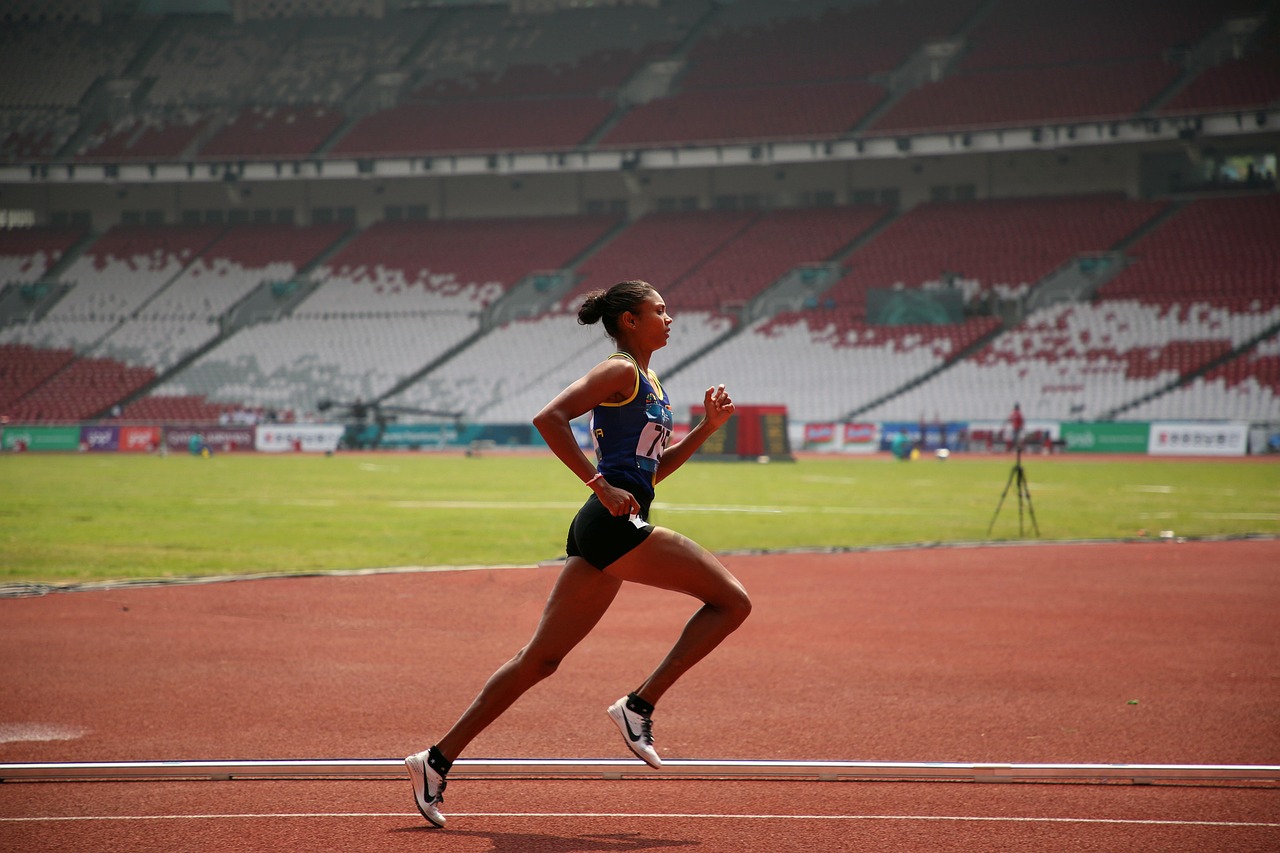

Coordination Improvement Strategies for Cross-Country Runners
Cross-country running requires a high level of coordination to navigate various terrains effectively. Improving this skill is essential for enhancing overall performance and minimizing the risk of injuries. Several strategies can be employed to develop better balance and coordination specific to the needs of cross-country runners. Firstly, implementing strength training exercises targeting the core will significantly enhance balance. Strong core muscles provide stability, allowing runners to maintain proper form while traversing uneven surfaces. Additionally, utilizing plyometric exercises, such as box jumps, can develop explosive leg power and improve coordination. These exercises help runners react swiftly to changes in terrain. Furthermore, incorporating agility drills, including ladder drills, can simulate racing scenarios while increasing foot speed and spatial awareness. Regularly practicing stability exercises, like single-leg stands, is also beneficial. Finally, practicing mindfulness or meditation can aid in improving focus and body awareness, which are crucial during long races. Implementing these strategies into training routines will significantly improve balance and coordination skills for cross-country runners.
Dynamic Warm-Ups for Enhanced Coordination
Dynamic warm-ups play a pivotal role in boosting coordination before a cross-country run. Engaging in dynamic stretching prepares muscles for movement while promoting better neural coordination. A well-structured warm-up should consist of exercises that mimic running motions. This helps the body adjust to the impending workout or race efficiently. Start by incorporating movements such as high knees, butt kicks, and leg swings, which activate hip flexors and ensure balanced lower body strength. Progressively increasing intensity helps stimulate muscles and balance reactions. Incorporating lateral movements, like side shuffles, trains the body to adapt to sudden directional changes typical in cross-country events. Moreover, exercises like carioca drills enhance coordination while improving lateral stability. Another effective method is integrating a few short strides to progressively accelerate the heart rate. Properly executed warm-ups also help reduce the likelihood of injuries since the rate of muscle elasticity and temperature is elevated. Ultimately, by dedicating time to a dynamic warm-up prior to every training session or race, runners can enhance their coordination and overall performance.
Incorporating balance training into a cross-country runner’s routine can immensely boost performance. Balance exercises are essential for maintaining stability on uneven terrains, such as trails or fields. A basic yet effective method of enhancing balance is through the use of a stability ball. Completing exercises like wall squats while balancing on the ball improves core strength and posture. Additionally, using balance boards can enhance proprioception, increasing awareness of body position during running. This can lead to quicker adjustments when navigating obstacles. For runners, uneven ground, such as rocks or roots, necessitates exceptional balance to prevent falls. Integrating yoga can significantly contribute to balance by promoting flexibility and strength. Poses such as Tree Pose and Warrior III challenge stability and enhance overall body awareness. Moreover, practice incorporating an unstable surface, such as sand or a wobble board, can add variety and difficulty to workouts while improving balance skills. Consistently working on establishing better balance will result in improved running techniques and reduced injury risks throughout training and racing seasons.
Plyometric Drills to Enhance Coordination
Plyometric drills are essential for cross-country runners looking to sharpen their coordination and power. These explosive exercises train muscles to exert maximum force in short intervals, which is crucial for adapting to varying course conditions. Key plyometric movements include squat jumps and lunge hops, which focus on developing leg strength while improving explosive speed. Including these drills in training will condition the neuromuscular system, enhancing coordination between the brain and muscles during runs. Additionally, box jumps strengthen leg muscles while emphasizing their responsiveness, preparing runners to tackle unexpected trail obstacles. It’s recommended that drills are performed on grass or soft surfaces to reduce impact on joints. A structured schedule that integrates plyometrics two to three times a week, while allowing recovery, will optimize results. In essence, these drills not only promote fast-twitch muscle fiber development but also help increase overall running efficiency. By committing to plyometric training, runners will find their speed and agility improve substantially, making them better equipped for the challenges of cross-country competition.
Another critical element of coordination training for cross-country runners is agility work. Improved agility translates to enhanced coordination, which is essential in navigating the demands of various trail conditions. Incorporating cone drills allows runners to develop lateral movement skills. Set up cones in a zig-zag formation to refine foot speed, body control, and change-of-direction techniques. These drills increase proprioceptive awareness, ensuring runners can adapt to terrains effectively. Moreover, utilizing hurdles for high-knee drills will enhance coordination while improving stride length. This combination of activities maintains cardiovascular limits while concentrating on agility-related movements. Ensuring that agility training covers multi-directional movement is vital, as it replicates the unpredictable nature of cross-country courses. Scheduling agility sessions multiple times weekly, while integrating rest days, prevents injuries and maximizes performance. Engaging in these practices will not only enhance overall running capabilities but will also contribute to improved race times. Consequently, agility work emerges as an essential aspect of a comprehensive training routine, yielding performance benefits crucial for cross-country success.
Visualizing Success for Better Coordination
Visualization techniques are often overlooked in physical training but are extremely beneficial in developing coordination. By mentally rehearsing running techniques, cross-country runners can enhance muscle memory and improve overall body awareness. Visualization creates a mental image of successfully navigating various terrains and overcoming obstacles. This not only aids in boosting confidence but also sharpens focus. To effectively implement visualization, set aside quiet time to close one’s eyes and picture the training sessions or races in detail. Envision how it feels to execute every movement flawlessly, from the start gate to the finish line. Emphasizing coordination during these mental practices amplifies the effects, reinforcing neural pathways crucial for muscle responsiveness. Additionally, visualizing potential obstacles allows runners to mentally prepare for unexpected situations on race day. Over time, these practices can significantly enhance physical performance and instill a sense of control and composure during races. Overall, visualization is a powerful tool that should be incorporated into daily training routines to achieve improved body coordination in cross-country running.
Lastly, recovery plays an integral role in developing coordination as well. Adequate rest and recovery allow the body to adapt to the stresses of training. Recovery routines involving stretching and foam rolling can enhance muscle elasticity and promote blood circulation. This not only aids in physical recovery but also supports mental clarity. Ensuring sufficient dream cycles during sleep has significant implications for coordination. Sleep is essential for processing movement patterns and consolidating memories of motor skills acquired during training. Runners must prioritize rest days to prevent overtraining, which might hinder progress. Practicing restorative yoga or engaging in meditation may also enhance relaxation and mindfulness, further developing coordination. Therefore, a keen focus on post-training recovery methods can lead to improved overall performance. Additionally, balancing rigorous training schedules with recovery techniques will yield the best results in enhancing coordination. Emphasizing recovery ensures that runners arrive at the starting line feeling refreshed and prepared mentally and physically for their cross-country challenges.