
Balancing Fluid Intake for Stress and Hydration Optimization
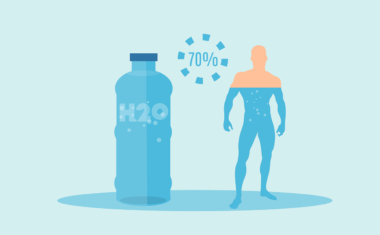
Hydration is crucial for mental and physical well-being, especially during stressful periods. When the body experiences stress, it may deplete its water reserves more rapidly due to increased adrenaline levels. This makes it essential to focus on fluid intake. Many people underestimate the importance of staying hydrated, leading to fatigue, poor concentration, and heightened stress. Recognizing the signs of dehydration, such as thirst, dark urine, and headaches, should prompt proactive hydration strategies. One efficient approach is to integrate fluids into daily routines. Carrying a reusable water bottle can serve as a constant reminder to drink water. Sharing information about hydration benefits among friends can also foster healthy habits. It is vital not only to consume water but to also include hydrating foods such as fruits and vegetables. Foods with high water content, like cucumbers and oranges, complement your hydration efforts while providing essential nutrients. For those engaged in physical activities, electrolyte-rich fluids can help maintain optimal hydration levels, particularly after workouts. Ultimately, understanding body demands leads to improved stress management through proper hydration. Starting today to prioritize hydration can yield significant benefits for overall well-being.
Stress can directly influence fluid balance. During tension, the body’s physiological reactions can lead to increased water loss through sweat and urine. This imbalance requires your body to work hard to maintain proper hydration. Addressing hydration becomes even more crucial in stressful situations. Research suggests that when individuals remain well-hydrated, they report lower levels of perceived stress and anxiety. Therefore, establishing consistent drinking habits throughout the day is vital. Carrying snacks that contain moisture, such as watermelon or yogurt, can act as supplementary hydration sources. Additionally, setting reminders to drink water can enhance hydration efforts, particularly during busy moments. Consider incorporating herbal teas or infused water for variety and additional benefits. While caffeine and alcohol can increase dehydration, adjusting consumption levels can help restore balance. Listening to your body, paying attention to the need for fluid intake, and monitoring urine color are practical ways to gauge hydration. Ultimately, the synergy between hydration and stress management creates a foundation for overall health. Emphasizing hydration ensures that both the body and mind are equipped to handle daily challenges effectively, subsequently reducing stress levels and fostering resilience.
Hydrating Foods for Stress Reduction
Incorporating hydrating foods can significantly support stress management. Foods with high water content contribute to daily hydration needs while also providing vital nutrients. For instance, consuming fruits such as strawberries, melons, and oranges can enhance fluid intake effortlessly. These fruits not only contain water but also natural sugars and fibers, aiding in energy restoration. Additionally, vegetables like kale, lettuce, and celery are excellent for hydration due to their high moisture content. Adding these foods to salads or smoothies can make a satisfying, hydrating meal. Including soups and broths in your diet also serves as a flavorful way to increase water consumption. These liquids, especially when prepared with fresh vegetables, provide both hydration and essential vitamins. Smoothies can be an ideal breakfast choice, combining hydrating fruits, leafy greens, and yogurt for creaminess. Remember that hydration through food plays a significant role in overall fluid metabolism. Opting for whole, unprocessed foods not only enhances hydration but also supports emotional well-being. All these factors together create a balanced diet that promotes effective hydration to manage stress, complementing other stress-relief techniques.
Mindfulness plays a crucial role in managing hydration levels effectively. Taking time to acknowledge your body’s needs, such as thirst, can improve hydration habits significantly. Practicing mindful eating also includes recognizing how hydrating foods impact your energy and emotions. By cultivating awareness, you can develop a deeper understanding of when and how much to drink throughout the day. Techniques such as maintaining a hydration journal may help track your fluid intake alongside stress levels. This reflective approach can reveal patterns between hydration habits and emotional well-being, promoting better management of stress. Engaging in mindfulness exercises can also improve overall hydration awareness. Setting intentions for daily water consumption can foster a positive mindset. Cultivating gratitude for body functions and hydration can enhance emotional health. Additionally, organizing meals around hydration can create a lifestyle shift toward healthful eating and drinking. Encourage family and friends to join in mindfulness practices surrounding food and water intake, further supporting hydration initiatives. A community approach can strengthen personal commitments to well-being. This sense of camaraderie fosters accountability, making space for a supportive environment aimed at better hydration during stressed times.
Avoiding Dehydration Triggers
Understanding and avoiding dehydration triggers are vital for optimal health. Be aware of factors that can lead to fluid loss, such as high temperatures, intense exercise, or high-sodium foods. Activities like spending extended periods outdoors in the sun can increase sweating and subsequently elevate hydration needs. Likewise, engaging in vigorous workouts requires extra fluid intake, especially post-exercise. It is crucial to replenish lost fluids promptly. Avoiding excessive caffeine and alcohol is also necessary, as these substances can act as diuretics, enhancing fluid loss. Consider limiting such consumables, especially when feeling stressed, as they can further exacerbate dehydration effects. Choosing low-caffeine or caffeine-free beverages can be beneficial during periods of heightened stress. Refined sugar consumption should also be limited due to its potential dehydrating effects on the body. Instead, focus on utilizing healthier snacks and balanced meals. Educating yourself on stress-management techniques bolstered by hydration can promote better overall well-being. Developing consistent, healthy habits can lessen the likelihood of dehydration during stressful periods, enhancing productivity and mental clarity. Emphasizing these practices allows for a more proactive approach to maintaining hydration, ultimately leading to more resilient stress management.
Regular water intake is not just an afterthought; it should become an intentional part of daily living. Setting specific goals, such as drinking a certain number of ounces per day, can help reinforce hydration efforts. Many applications are available to track water consumption effectively. Engaging younger generations in hydration awareness through educational programs can encourage lifelong habits. Everyone can benefit from establishing early knowledge surrounding hydration, promoting overall health. Including hydration breaks during meetings or work hours proves helpful in settings like offices, where easy access to water may be limited. These breaks contribute to greater clarity and focus while counteracting stress. Partnering up with colleagues for hydration challenges or goals can instill a sense of camaraderie and motivation. Sharing progress through social media can further strengthen commitment to these health goals. Consider celebrating achievements related to hydration along the way. Recognize that small, consistent changes consistently lead to lasting results. Prioritizing hydration as a collective effort fosters accountability and motivation. Open discussions about fluid intake habits can strengthen friendships and entire communities in their pursuit of better health and stress management. The physical and emotional benefits of hydration extend beyond individual lifestyles.
The Long-Term Benefits of Consistent Hydration
Establishing consistent hydration habits leads to long-term well-being. Sustained hydration can result in improved mood, cognitive function, and increased energy levels. Over time, you may notice a significant reduction in stress-related symptoms by making hydration a priority. People often underestimate how much water affects overall health and productivity. Feeling mentally alert and energized allows for enhanced creativity and problem-solving abilities. Sufficient hydration has positive effects on physical health as well, such as supporting digestion and maintaining a healthy weight. Chronic dehydration can leave individuals feeling fatigued, irritable, and less motivated. On the contrary, adequate hydration can enable your body and mind to function optimally, providing resilience against daily stressors. Long-term benefits can also include improved skin health, reducing the appearance of dryness or aging signs. By prioritizing hydration, you may also strengthen immune responses, helping fend off illnesses. Creating a routine that incorporates water consumption can lead to improved lifestyle choices overall. Make hydration a non-negotiable daily practice, recognizing its remarkable impact on stress management and overall health. Considering the positive cascade of effects from initial hydration efforts highlights its importance in daily wellness strategies.
Overall, the importance of hydration for stress management cannot be overstated. By recognizing the interconnectedness of fluid intake, emotional resilience, and physical health, individuals can cultivate effective strategies for coping. Incorporating mindful hydration practices in daily routines contributes to overall wellness. Practices that work within a holistic lifestyle, focusing on both mental and physical factors, enhance emotional balance. Education surrounding hydration encourages proactive engagement in healthful habits. Remember that nourishment goes beyond just water; incorporating hydrating foods and consistent awareness of your body’s signals are equally essential. Engage in community hydration initiatives and encourage discussions about health practices that prioritize hydration. Making gradual, achievable changes promotes long-term benefits without overwhelming yourself with drastic alterations. This holistic approach builds a foundation for a balanced lifestyle conducive to better stress management. Each aspect contributes to a more satisfying quality of life, both physically and mentally. As we learn to embrace balance within our hydration strategies, the powerful effects on overall health can be felt. Continuous commitment fosters resilience against stress, promoting both clarity and energy for daily challenges. Start prioritizing hydration today for a healthier tomorrow built on the foundation of mindful practices.