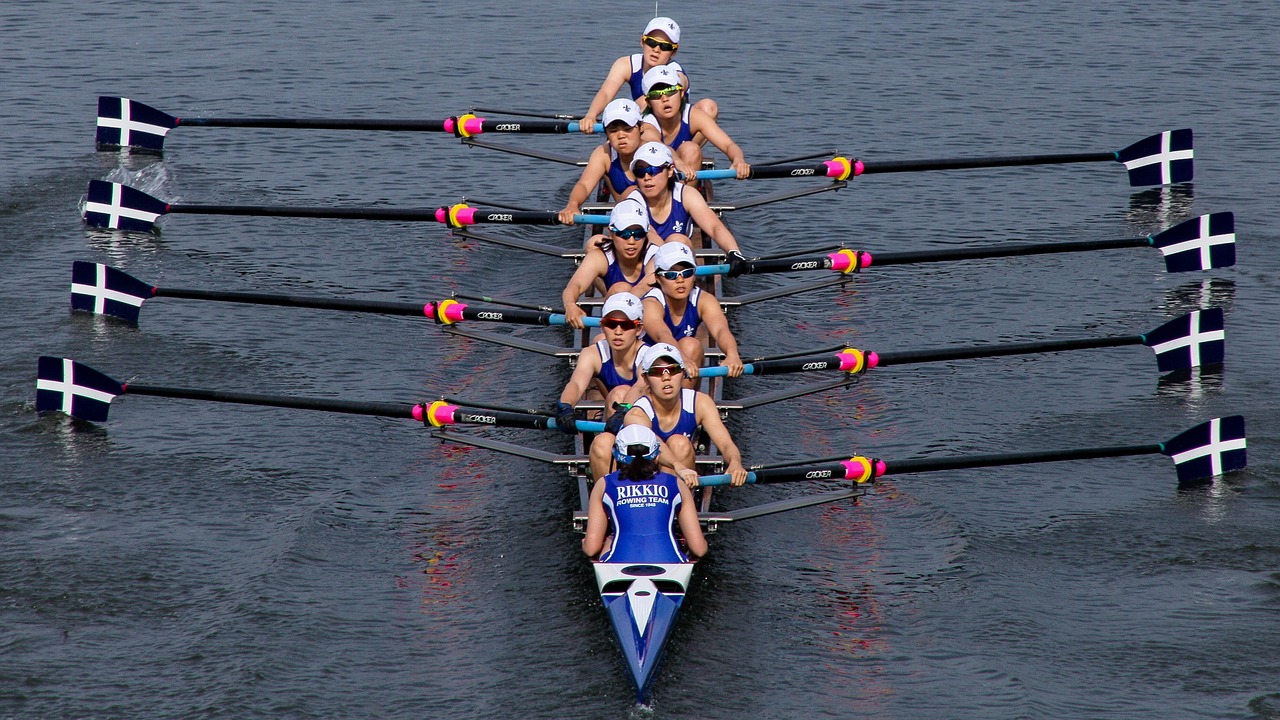

Checklist for Rowing Safety Equipment Before You Hit the Water
Rowing is an exhilarating activity that challenges both mind and body, yet safety must always be a priority. Start with checking your **personal flotation device (PFD)**. It is essential to have a well-fitted PFD available for each rower before heading out onto the water. Also, make sure it bears the necessary safety certifications. Next, consider the **first-aid kit**. Every thrilling outing should be equipped with a comprehensive first-aid kit. Ensure it’s stocked with basic supplies such as bandages, antiseptic wipes, and a water-resistant pouch. Alongside these essentials, prepare your **whistle**. A whistle in a bright color can be a lifesaver, allowing easy signaling among rowers or attracting attention in emergencies. Remember that rowing with a group may require additional safety equipment, depending on the circumstances and area regulations. It always pays to know your environment well. Familiarize yourself with local safety codes and **emergency numbers** before you set sail. Finally, perform a final check on your **boat’s equipment** including oars, rudders, and foot straps, verifying they are all functional and safe.
Your **clothing and wearables** are also a crucial part of your safety checklist. Choose appropriate gear such as moisture-wicking shirts, shorts, or tights, depending on your preferences and weather conditions. It’s best to dress in layers if the temperature varies. Additionally, you should have a **hat and sunglasses** to protect against sun exposure, along with sunscreen that must be applied generously. These protective measures can minimize sunburn or overheating while you enjoy your rowing venture. Also, don’t forget your **footwear**. Opt for shoes that offer traction if you need to leave the boat in case of an emergency. Lightweight, quick-drying shoes are great options when navigating wet conditions. Always ensure your footwear fits securely to prevent slips or accidents. Alongside your apparel, bring an **extra change of clothes** just in case you get soaked while rowing. An extra layer can be necessary if the weather changes unexpectedly or if you accidentally capsize. Having these measures in place can greatly enhance safety and comfort during your outing.
Another critical component of your rowing safety equipment is the **communication tools**. Ensure you have a waterproof cellular device or other communication methods to stay connected. Thus, if emergencies arise, you can swiftly call for assistance. Similarly, portable marine radios provide reliable communication when you’re in remote areas. Light signals or marine flares can be vital as added safety features. They serve as effective visual alerts for nearby boats. It’s also advisable to store all communication devices in dry bags to prevent water damage. Alongside these tools, you might consider a **GPS device**. Having location-tracking options is incredibly useful, especially for mapping your route and avoiding hazards during your expedition. Failing to have these tools may compromise your rowing experience, especially in unfamiliar waters. It’s essential to plan accordingly. After confirming your equipment and filing a rowing plan with someone trustworthy, you can increase the safety factor while enhancing overall enjoyment. Ensure you also have identified safe areas to dock or land in case of emergencies.
Navigation and Weather Preparedness
Understanding rowing routes and weather conditions is crucial to ensure a safe voyage. Check the **weather forecast** before embarking on any rowing journey. Sudden changes in weather can lead to hazardous conditions on the water, so keep an eye on the sky for storms or winds. If adverse weather conditions arise, consider postponing your rowing for safety’s sake. Prioritize safety over adventure. Maps or detailed navigation charts can also be significant in plotting your rowing route, especially in unfamiliar territories. Learn the different types of local waterways, including areas to expect strong currents or changing depths. Carry a **compass** or GPS to maintain orientation while rowing, helping you avoid potential disorientation during your excursion. Navigational tools help ensure you stay on course, leading to a more enjoyable, memorable experience. You should also familiarize yourself with local **boating regulations** and safety requirements. This knowledge can prevent accidents and ensure compliance with laws, helping to ensure a safer outing for everyone involved.
Consider joining a rowing community or group which promotes safety practices. Engaging with seasoned rowers can provide access to valuable advice and shared experiences regarding equipment and safety protocols. Additionally, taking part in organized rowing events allows you to share knowledge and meet like-minded individuals who prioritize safety. You may find mentors who can provide insights into enhancing your skills and keeping safety at the forefront. Furthermore, attending safety courses focused on rowing can deepen your understanding of essential safety practices. These courses often cover different topics, including weather safety, equipment checks, and rescue techniques. Celebrating and embracing safety culture ensures safer rowing, leading to more pleasant and thrilling experiences. Keep your crew informed about safety practices, from communication protocols to emergency procedures. Implement drills to reinforce actions in case of unexpected events, and make sure everyone knows various roles during emergencies. Regularly revisiting and refreshing safety guidelines will create a robust culture that promotes reliability and responsibility within the rowing community.
Lastly, never underestimate the importance of regular **equipment maintenance** as part of your safety checklist. Before each outing, inspect your boat thoroughly for any damages, such as cracks or loose fittings. Ensure all parts, including oars, rudders, and footrests, function smoothly. Regularly cleaning and maintaining your equipment can extend its lifespan and ensure optimal performance while out on the water. Have a trusted professional conduct routine checks on your boat when necessary, especially if you notice any irregularities or performance issues. Consider carrying a few essential **repair tools** with you, such as duct tape and a multi-tool, which can help in minor emergencies. Lastly, when you complete your trip, don’t forget to properly store your boat and equipment. Make sure everything is handled correctly to avoid future deterioration. Ensure your vessel is stored in a safe location free from harsh elements that can lead to complications. Creating a reliable routine dedicated to regular maintenance will provide peace of mind when it comes to safety, allowing you to focus on your passion.
By adhering to this **checklist** of rowing safety equipment, you can significantly minimize risks while maximizing your enjoyment on the water. Following these guidelines ensures that you are well-prepared for anything that may arise during your rowing adventure. Make sure you include all the essentials in your gear, and educate yourself and your crew on best practices for maritime safety. Ultimately, the key to a successful and exhilarating rowing experience is preparing effectively. Start assembling your equipment today to enhance your next outing. Rowing should always be a joyful experience filled with adventure and camaraderie. You can further contribute to safety in rowing by sharing this knowledge within your local community. By doing so, you’ll feel great about promoting a culture of safety among fellow rowers, which could save lives and prevent accidents. Encourage everyone to be proactive in checking their safety equipment and learning from each other to enhance everyone’s skills. Remember that a fun outing relies heavily on safe practices and preparedness. So, take the plunge, and get ready to row, but don’t first forget to ensure safety is at the forefront of your adventure!
This checklist encompasses everything necessary for ensuring a safe and enjoyable rowing experience. By following these guidelines thoroughly, you will foster a solid foundation of safety that every rower should embrace as their own. Organize your gear, familiarizing yourself with appropriate equipment while continually refining safety skills. After the safety checklist is fulfilled, it’s time to enjoy the peacefulness of gliding across the water. Being able to concentrate on the beauty of nature surrounding you can be incredibly rewarding and beneficial for one’s well-being. Rowing not only promotes physical health but can help strengthen mental fortitude as you face different elements. It’s essential to reflect on the importance of safety equipment regularly as the seasons change and to adapt your checklist accordingly. Each rowing outing could bring different challenges, so staying adaptable and well-informed can form the foundation of any successful venture. Embrace the joy of rowing while keeping safety as your guiding principle. With a proper mindset and preparedness, you can encourage others to appreciate the same blend of passion for adventure and commitment to safety.