
Assessment of Biomaterial Durability in High-Impact Sports
Biomaterials play a crucial role in high-impact sports, where the durability and performance of equipment are essential for both safety and performance. These materials must withstand significant forces and stresses during various activities. Proper assessment of biomaterial durability involves extensive testing under simulated conditions that reflect actual usage in sports. Factors such as temperature, humidity, and surface properties can greatly influence the performance and longevity of these materials. Among the different types of biomaterials, natural polymers, composites, and advanced ceramics are commonly used due to their unique properties. Understanding how these materials behave under high-impact conditions is vital for improving their designs and applications. The primary aim is to enhance performance while ensuring user safety. Evaluating wear resistance and fatigue strength becomes paramount in this process. Additionally, different testing methodologies, including tensile, compressive, and impact testing, help quantify material performance. The ongoing research in this area seeks to innovate and optimize biomaterial compositions to meet the challenging demands of high-impact sports environments.
One of the essential measures in assessing biomaterials is understanding their mechanical properties. The mechanical properties serve as indicators of how the materials will perform under different stress and strain conditions. Parameters such as elastic modulus, tensile strength, and fracture toughness are vital metrics. These properties allow comparing different biomaterials to determine the best-suited option for specific sports equipment. High-impact sports place unique stresses on materials that can lead to sudden failure if not considered. Therefore, research efforts focus on characterizing these mechanical properties in detail. Scientists often utilize various testing techniques to access these characteristics systematically. One notable method is digital image correlation, allowing for precise measurement of deformation under load. This advanced technique provides more insightful data than traditional methods. Furthermore, it helps optimize material design by identifying weaknesses and areas for enhancement. When selecting a material for a specific application, incorporating these mechanical properties and testing techniques ensures that the biomaterial can withstand the demanding conditions of high-impact sports. Continuous enhancement of these assessment methods is crucial for future advancements.
Biomaterials in Sports Equipment
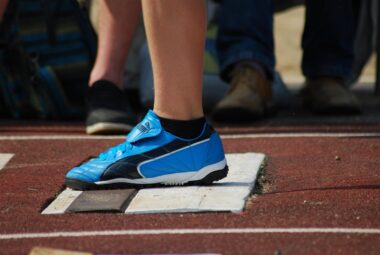
The application of biomaterials in sports equipment extends beyond simple durability assessments to encompass multiple performance factors. Sports equipment such as protective gear, footwear, and sporting goods require careful consideration of each biomaterial’s specific attributes. For instance, helmets used in contact sports must absorb shock efficiently while minimizing weight for comfort. Similarly, footwear must provide sufficient cushioning and support while remaining flexible. Key biomaterials employed include polymers, foams, and composite materials. Polymers often exhibit excellent energy absorption, while foams can enhance cushioning properties. An example of this can be seen in modern helmets, which utilize multi-layer systems combining these materials for optimum performance. Moreover, composites, which combine multiple material types, can provide enhanced stiffness and strength in various applications. These materials’ unique properties allow engineers to innovate continuously, leading to more effective and safer equipment. Collaborations between material scientists and sports professionals pave the way for developing advanced equipment designs. Ultimately, choosing the right biomaterial is crucial for balancing performance, comfort, and safety.
Moreover, testing methodologies must incorporate real-world scenarios to genuinely evaluate biomaterials under high-impact conditions. Standardized testing protocols, while useful, sometimes do not fully capture the complexities involved in athletic performance. Research suggests creating custom protocols tailored to specific sports or equipment types will yield more accurate data. These custom methodologies can consider various variables such as impact angles, velocity, and material interaction. For instance, in contact sports like football, assessing helmets’ performance must include aspects like rotational forces and linear impacts. By developing specialized test environments, researchers can simulate actual conditions athletes face, thus better understanding how biomaterials react. Additionally, such rigorous testing can uncover potential failure modes that standard tests might overlook. Undertaking these customized assessments ensures that the synthesized biomaterials can meet the evolving needs of high-impact sports. Collaboration within the industry to share findings facilitates advancing the comprehension of biomaterial behavior. As a result, athletes can benefit from improved and safer sports equipment that adheres to high performance standards.
Future Innovations in Biomaterials
The landscape of biomaterials continues to evolve with innovative research and technology breakthroughs. Future developments focus on integrating smart and bio-responsive materials into sports equipment. These advanced biomaterials can adapt to environmental conditions or user behavior, optimizing performance further. For example, temperature-sensitive materials can alter their properties depending on external conditions. Incorporating such features can provide significant advantages in terms of comfort and performance. Furthermore, sustainable biomaterials are gaining attention due to environmental concerns. Researchers are exploring biodegradable options that maintain high performance without compromising durability. Techniques such as 3D printing are also revolutionizing biomaterial applications in sports. They enable the creation of highly customizable parts tailored to individual athlete needs. This personalization aspect enhances both performance and fit, reducing injury risks associated with ill-fitting equipment. Additionally, combining machine learning with materials science creates possibilities for predicting biomaterial performance under various conditions. The harmonious blending of technology, design, and sustainability will shape the future of biomaterials in high-impact sports. All these innovations will ensure athletes can compete safely while maximizing their performance.
In conclusion, assessing biomaterial durability in high-impact sports necessitates a multifaceted approach. Understanding mechanical properties, developing tailored testing methodologies, and embracing innovation must all coalesce. While traditional tests provide valuable insights, real-world assessments can highlight potential shortcomings. Therefore, investing in research and development is essential for creating safer and more effective sports equipment. Durable biomaterials contribute to athlete safety; they enhance performance by providing advanced solutions tailored for specific sports demands. Moreover, continuous collaboration between scientists and sports professionals will foster the development of cutting-edge materials and techniques. Cutting-edge innovations such as smart materials and environmentally sustainable options hold tremendous promise for the future of sports equipment. As the focus shifts toward more personalized and adaptable biomaterials, the question of sustainability will shape industry standards, guiding future research efforts. Moreover, careful consideration of athlete needs and usability will ensure that advancements in biomaterials benefit both performance and safety. Ultimately, fostering a comprehensive understanding of biomaterials will not only advance sports technology but also promote healthier and more competitive athletic environments.
Concluding Thoughts on Durability Assessments
Finally, as the assessment of biomaterial durability continues to evolve, collaboration, innovation, and rigorous testing will play a crucial role in shaping the future. Emerging technologies provide pathways for refining material properties and performance evaluation methodologies. Moreover, recognizing the diverse range of high-impact sports’ demands necessitates tailored approaches to material selection and assessment. Ultimately, understanding and applying the insights gained from ongoing research will lead to significant advancements in biomaterial fields. Athletes deserve equipment that exudes reliability, safety, and performance, which directly contributes to their success in competitive environments. Therefore, stakeholders across the sports industry must prioritize this focus to ensure that innovations lead to safer, more effective products. As the landscape of high-impact sports continues to adapt and change, so must the approaches towards biomaterials. It is an exciting time in the field, as the pace of change accelerates. Continued support for research and development can ensure that biomaterials meet the challenges of the future. Achieving a balance between performance, durability, and sustainability is imperative for future successes. This pursuit must remain a collaborative effort prioritizing athlete welfare and performance excellence.
Ultimately, the journey in assessing biomaterial durability in high-impact sports leads toward fostering an environment of continuous improvement and innovation. It encourages embracing the advancements in technology, enhancing understanding in materials science, and putting athletes’ needs at the forefront. Continuous dialogue amongst researchers, manufacturers, and athletes is essential for unlocking the full potential of biomaterials. Keeping an eye on future trends and advancements ensures that the sports industry remains responsive to evolving demands. Additionally, integrating raw data and real-time analytics from sports performance can offer valuable insights into how biomaterials function under stress. Systems incorporating feedback from athletes post-performance can drive future investigations and refine biomaterials. Therefore, developing protocols that not only consider current expectations but also adapt to future requirements is a vital aspect moving forward. This approach enhances material durability while ensuring the safety and satisfaction of athletes at every level. The collaboration among various stakeholders will pave the way for breakthroughs that redefine standards in equipment performance and safety. In essence, this journey reflects the commitment to innovation and excellence in sports, creating an exciting future for high-impact sports.