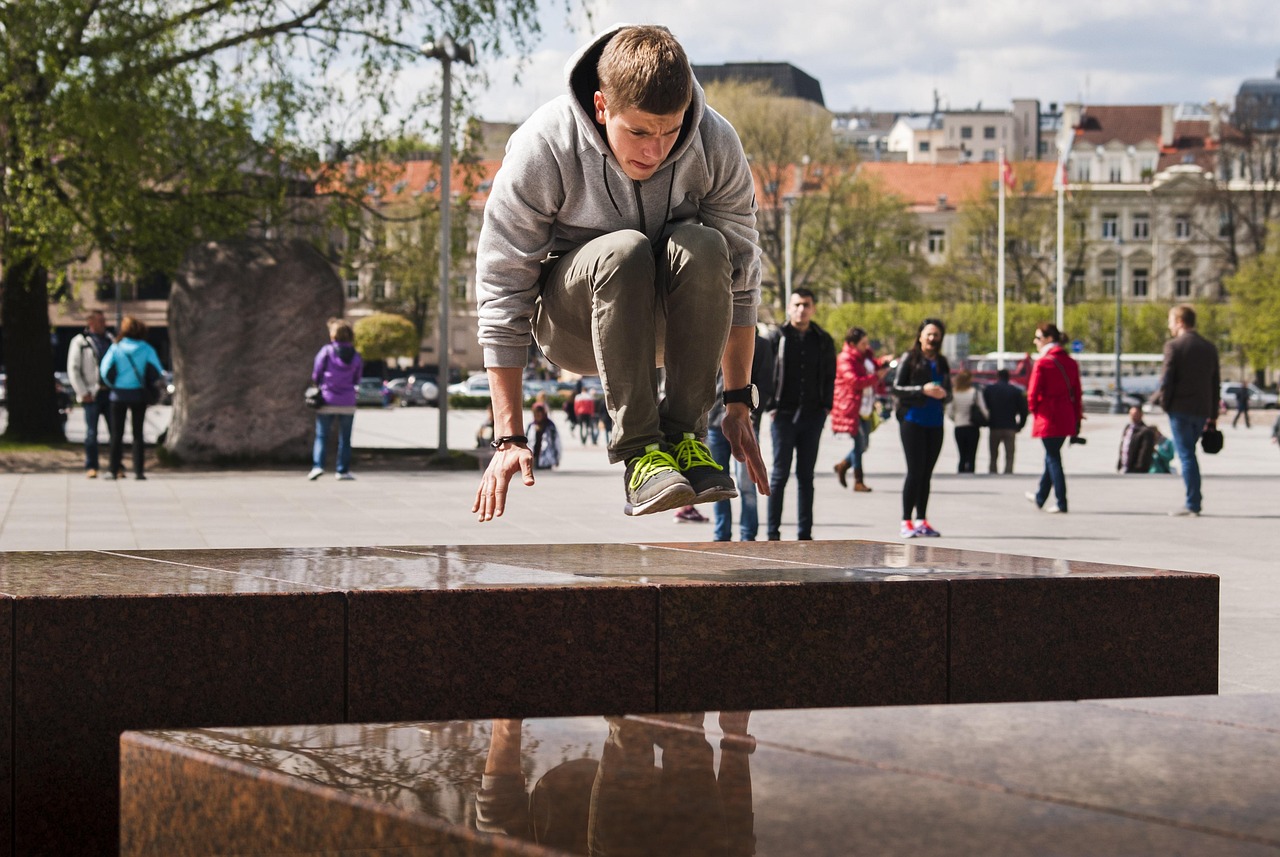

How to Teach Kids Parkour: Tips for Parents and Coaches
Teaching parkour to children can be an exciting challenge. The goal is to make it enjoyable while promoting safety. To introduce kids to parkour, start with basic movements. Emphasize the importance of warming up before any activity. Simple exercises such as stretching can prevent injuries. Building strength and flexibility is also crucial. Use fun games to keep them engaged and motivated. Kids can learn how to roll, jump, and climb gradually. Ensure they understand that parkour is about overcoming obstacles safely instead of reckless behavior. Having a safe environment is necessary, so choose suitable locations. Seek parks that have open spaces and climbing structures. Also, invest in quality gear such as shoes with good grip. Focus on positive reinforcement when they achieve skills or show improvements. Teach them to respect their limits and not attempt advanced moves too soon. Encouraging teamwork among kids fosters a supportive atmosphere. Organizing group sessions can increase their confidence and make learning social. Consider enrolling them in local parkour classes to enhance their skills. Always remember, patience is vital during this learning process.
A great way to enhance the learning experience is by integrating fun into practice. Parkour can often feel intimidating for novices, especially for children. Use obstacle courses to create engaging practice sessions. Set up different zones where various skills can be practiced, like vaults or balance beams. Ensure that all activities focus on skill progression. Children thrive when they see tangible progress, which boosts their confidence. Moreover, explain the values behind parkour, like creativity and self-expression. Help them understand parkour is not just about jumping but finding creative ways to navigate their environment. Regular feedback is essential too. Give constructive comments during training, encouraging continual improvement. Use video demonstrations to illustrate techniques and provide visual learning channels. Allow children to film themselves to analyze their techniques. This can prove beneficial in identifying areas for growth. When they see themselves in action, it can motivate and inspire them to refine their skills. Remember even simple skills can create a profound sense of accomplishment. Allow kids to explore the environment creatively while remaining safe, establishing a foundation for lifelong skills.
Your Role as a Coach
As a coach or parent teaching parkour, your role is pivotal in shaping kids’ experiences. Establish clear guidelines and expectations to create a structured environment. Clarity can significantly reduce accidents by ensuring everyone understands safety rules. Always demonstrate techniques before allowing kids to try them out, so they can visualize what’s expected. Encouragement is crucial; support their mistakes as part of the learning journey. Make every attempt count, celebrating small successes, as they can build self-esteem. Create an atmosphere where trial and error is accepted. Using props and creative materials can help develop essential skills. For instance, foam blocks for landing can aid in building confidence when trying new jumps. Additionally, emphasize the importance of mental focus. Kids should learn how to assess risks while considering their abilities. Incorporating fun challenges can stimulate their problem-solving skills. Set achievable goals to motivate them continuously. Most importantly, be an exemplary figure. Demonstrate resilience and passion for developing your skills. Kids will reflect your attitude and approach towards overcoming obstacles, thus creating a favorable training environment for joy and growth.
Ensuring safety while practicing parkour should always be a priority. As kids begin to develop skills, introducing them to safety protocols is essential. They must learn to recognize their physical limits to reduce the risk of injuries. Teach them how to fall correctly and roll, which can cushion falls significantly. Additionally, use proper protective gear, like knee pads and helmets, when necessary, especially for beginners. Choosing suitable locations is paramount; soft surfaces or padded mats can mitigate potential injuries during early practices. Encourage peer spotting during learning; this enhances safety significantly. Older or more experienced children can assist and support beginners. Also, reiterate that every child progresses at their own pace. Avoid direct comparisons, as this can foster insecurity and anxiety. Different children will excel at different things, and that’s perfectly normal. Encourage collaboration and communication among peers. Building friendships can keep the environment relaxed and enjoyable while they learn. Varied skill sets enable children to inspire each other through shared experiences. Finally, stay informed about parkour advancements and techniques to continuously provide the best guidance possible to young learners.
Progress Tracking and Evaluation
Tracking progress is vital for maintaining motivation throughout the learning process. Consider maintaining notes or journals to record the kids’ development. Regular assessments can be encouraging as children see how far they’ve come over time. Using fun and supportive methods, track improvements based on skills rather than performance competition. Celebrate milestones by organizing mini-challenges or events. This helps to create a sense of accomplishment and excitement among youngsters. In addition to celebrating achievements, providing constructive critiques fosters a positive learning environment. Frame feedback positively, concentrating on strengths while also addressing areas to refine. Encourage kids to offer feedback to each other. Peer assessments can be enlightening and inspire improvements among friends. Using a progression checklist can help visualize where they currently stand and what they aim to achieve next. Furthermore, teach them to set personal goals based on their ambitions or skills. Through goal setting, kids will learn responsibility and commitment to their training. Parents can also engage by reinforcing goals at home. Overall, regular evaluations empower kids to stay engaged and focused on their learning journey.
Community engagement is also a crucial aspect of fostering a love for parkour in children. Finding a community of like-minded individuals can provide invaluable support. Look for local parkour groups or clubs that encourage youth participation. Community gatherings can motivate kids to meet peers and share experiences. This can enhance their learning while forging strong friendships around common interests. Engaging in a community can also introduce them to a plethora of new skills and techniques. Encourage participation in local competitions or workshops to expose them to various styles. Additionally, consider connecting with experienced parkour athletes who can visit and share their expertise. Collaboration with seasoned practitioners can inspire and motivate the younger ones to pursue their passions with vigor. The collective energy during such sessions can heighten excitement around parkour and build deeper bonds within the group. Family participation also creates a wonderful atmosphere. Organizing family parkour days can deepen family bonds and encourage everyone to stay active. Building a supportive community makes the journey easier, enjoyable, and enriching for kids learning parkour. Ultimately, strong community ties can help sustain their interest in the sport.
Concluding Thoughts
Reflecting on the excitement surrounding teaching parkour to children, various elements contribute to a successful learning environment. The focus should be on safety, fun, and building a sense of community. Empower children through positive feedback, recognition of their progress, and encouraging collaboration with peers. Every child possesses unique abilities, and embracing those differences creates a supportive training culture. Equip them with essential skills while instilling values like creativity and overcoming obstacles. Practicing parkour is not just a physical activity but a holistic learning experience. As parents and coaches, remaining patient and understanding is crucial. Models of resilience can inspire children to keep trying despite setbacks. Regular engagement in the parkour community fosters friendships that carry on outside of practice. This not only enhances their journey in learning parkour but nurtures lifelong skills of determination, creativity, and teamwork. Encourage kids to take every jump, roll, and vault as an achievement. Eventually, it culminates in continuous growth, both physically and mentally. Thus, by approaching parkour with excitement and enthusiasm, you instill values that resonate far beyond the realm of physical activity.
Parkour represents a dynamic art form that brings excitement and exploration into children’s lives. As they learn, remember that it is a journey transformed by passion and commitment. Always celebrate the little moments; these often create the most profound impact over time. Incorporating an environment where children can thrive can lead to amazing transformations. While teaching parkour, guide them. It lays the foundation for lifelong learning that transcends beyond physical training and creates confident, active individuals. This way, the beauty of parkour extends not only to mastering movement but shaping character and fostering invaluable life skills.