
Dynamic Core Exercises for Sports Performance
Dynamic core exercises significantly enhance athletic performance by improving balance, stability, and efficiency. Core strength is fundamental not just for athletes but for anyone engaged in physical activity. Effective core training ensures that athletes can perform at their peak while minimizing the risk of injuries. Integrating various dynamic movements into your training regimen can help achieve this crucial aspect of fitness. These exercises engage multiple muscle groups, focusing on the body’s ability to stabilize during movement. Moreover, a strong core helps in maintaining proper posture and support during sports activities. The result not only aids performance but also boosts overall athletic longevity. Learning the principles behind effective core exercises can significantly bolster your training routine. It’s essential to mix stability work with dynamic movement to achieve comprehensive core strength. Athletes involved in various sports such as soccer, basketball, or tennis can particularly benefit from these dynamic routines. They not only enhance strength but also improve coordination and power specifics tailored to each sport. By prioritizing core training, athletes prepare their bodies for peak performance in high-pressure situations.
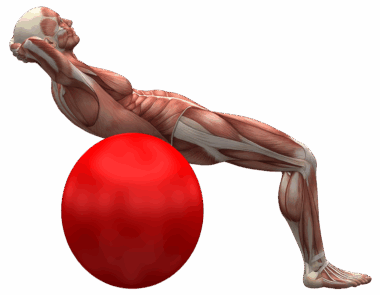
Incorporating dynamic exercises into core workouts involves various methodologies. One effective way to enhance core stability is through the implementation of functional movement patterns, such as stability ball exercises or medicine ball throws. These exercises are not just about building muscle; they also focus on transferring energy effectively. For example, performing a medicine ball rotational throw trains the core in a dynamic and sport-specific manner. This targets both the upper and lower body while emphasizing the core’s role in stability. Begin with basic movements and gradually progress towards more complex dynamics. Emphasizing the importance of proper form cannot be overstated. Incorrect movement patterns can lead to injury and hinder progress. When performed correctly, dynamic core exercises also help athletes develop their proprioception. Enhancing proprioception allows athletes to better control their body during rapid movements in sports scenarios. Progressing through various levels of difficulty ensures consistent improvement without plateauing. Remember to incorporate rest and recovery in your training plans, allowing time for muscles to heal and grow stronger. This strategy will ensure longevity and effectiveness in athletic performance.
Sample Dynamic Core Exercises
Implementing a range of dynamic core exercises can greatly improve athletic abilities through targeted strength training. One recommended exercise is the plank with alternating arm and leg raises. This move reinforces stability while challenging balance, crucial for most sports. Another impactful exercise is the Russian twist, which enhances rotational strength. By adding weight, it simulates the forces encountered during athletic performance. Engaging in mountain climbers offers a cardio aspect and strengthens the core by maintaining a tight midsection during rapid transitions. Additionally, the bird-dog exercise promotes stability and coordination through core engagement, essential for executing sports maneuvers effectively. To engage your full core, consider incorporating kettlebell swings, which promote explosive power and resilience in the core. It is vital to warm up before these exercises to ensure muscle readiness and prevent injury. Finally, consider integrating high-intensity interval training (HIIT) sessions focusing on core-centric workouts. HIIT allows for maximizing calorie burn while effectively targeting the core under various stresses. Consistency within your training over weeks will show cumulative improvements, translating into noticeable performance gains in your sport or chosen physical activity.
Complementary exercises outside of conventional core training can also greatly benefit dynamic core strength. These may include yoga or Pilates, which emphasize core stabilization while improving flexibility and body awareness. Many athletes overlook the immense benefits that these practices can provide. Moreover, engaging in agility drills is an excellent addition to any sport-specific training arsenal, improving coordination while reinforcing core stability. Athletes can incorporate exercises like lateral hops or cone drills, both of which require dynamic core control while executing swift movements. Remember to maintain focus on breathing and technique during these drills to prevent injuries. Conditions such as fatigue can undermine core effectiveness; thus, rest is essential during training cycles. Do not hesitate to seek professional guidance or utilize resources to enhance your understanding of core training principles. This will ensure that you’re not only maintaining correct form during workouts but also understanding the biomechanical implications of movements. Ensure that the core training program is varied and progressive to keep engagement high. A well-structured plan can lead to profound improvements in performance and overall fitness.
Nutrition’s Role in Core Training
While dynamic core exercises play a vital role in enhancing athletic performance, nutrition should not be underestimated. A balanced diet provides the essential nutrients necessary for muscle growth and recovery. Complex carbohydrates fuel workouts, while adequate protein intake repairs muscle post-exercise. Nutrients like omega-3 fatty acids are beneficial for reducing inflammation and improving recovery times. Hydration also directly impacts performance and muscle function. Keeping the body well-hydrated ensures optimal function during intense workouts and competitions. Inadequate fluid intake can lead to decreased strength, endurance, and agility. Further, certain micronutrients play important roles in muscle contraction and relaxation, essential during dynamic movements. Incorporating a mix of vegetables, fruits, lean proteins, whole grains, and healthy fats ensures a well-rounded diet that supports your fitness goals. Additionally, athletes may benefit from consulting a nutritionist to tailor their eating plans effectively. Tracking caloric intake and macro distributions can assist athletes in meeting their individual goals—gaining muscle mass or enhancing endurance. Educating oneself about optimal nutrition strategies can complement training efforts, leading to better outcomes.
Lastly, recovery techniques should be an integral part of any dynamic core exercise regimen. After intense training, allowing adequate recovery is essential for preventing overuse injuries. Implementing cooling down or stretching routines aids in muscle recovery by promoting blood flow. Techniques such as foam rolling or massage therapy can release muscle tension, preparing the body for forthcoming workouts. Incorporating rest days is vital to avoid burnout and allow tissue regeneration. Moreover, maximizing sleep duration is equally important. Research indicates that sleep significantly affects athletic recovery and cognitive function during performance. Athletes may consider techniques such as mindfulness meditation or light stretching before bed to improve sleep quality. These practices not only reduce stress but also strengthen mental focus during athletic endeavors. Finally, evaluating your progress through consistent assessments keeps training goals in check. Regular evaluations inform adjustments needed to tailor fitness programs effectively and prevent stagnation. This synergy of training, nutrition, and recovery can yield major strides in athletic performance. By employing these strategies, athletes can achieve their optimal state of fitness and performance.
In conclusion, dynamic core exercises are invaluable to enhancing athletic performance and functionality. These exercises develop stability, coordination, and muscle endurance, vital for sports participation. Athletes should prioritize including these exercises in their training regimes and focus on proper technique to maximize their effectiveness. Combining strength-based exercises with functional movements ensures a holistic approach toward core training. Improving the intrinsic connection between various muscle groups throughout workouts ultimately makes for a more reliable athletic performance. As always, understanding the need for progressive overload within your training aids in continued improvement. Engage fully with nutrition and recovery resources to enhance strength and performance further. Building a robust core can significantly influence an athlete’s ability to perform specific sports activities effectively. This is not only essential for advanced performance but also for injury prevention. Embarking on this journey towards dynamic core strength will pay dividends in athletic ability, resilience, and longevity in your chosen sport. Ultimately, by embracing dynamic core exercises, athletes can reach their peak potential while enjoying the physical activity they love.