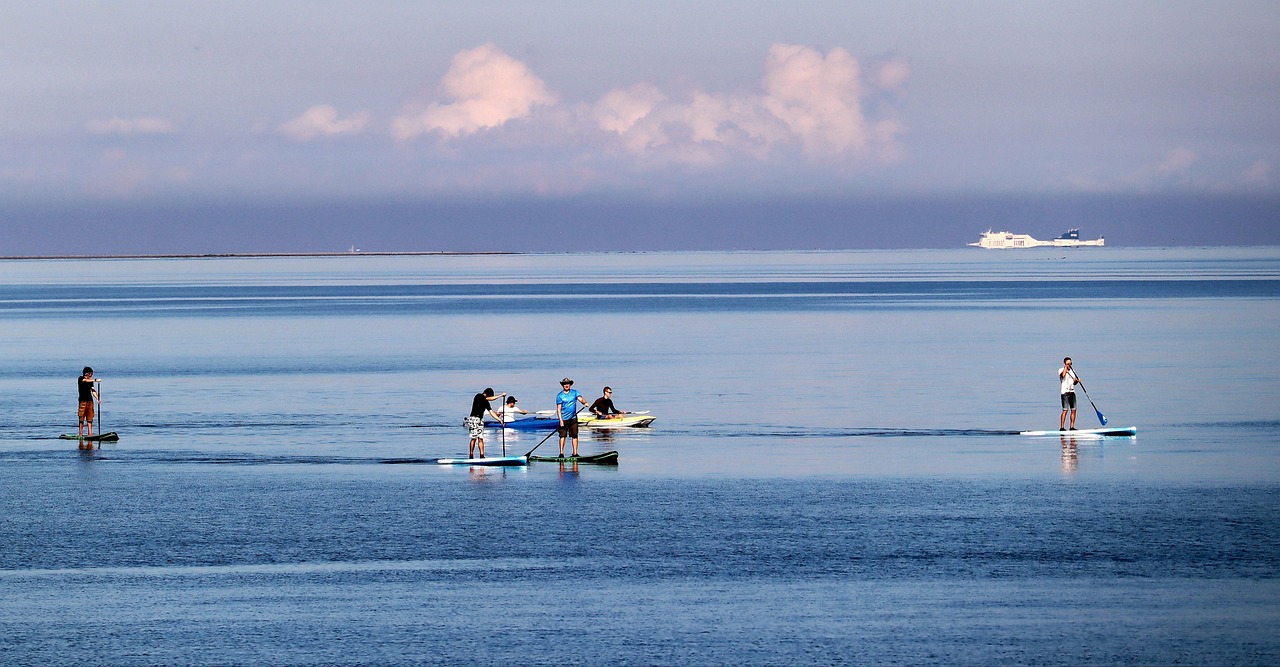

Sustainable Practices for Stand Up Paddleboarders
Stand Up Paddleboarding (SUP) has been rising in popularity as a fun and rewarding outdoor activity. However, as paddleboarders, we must acknowledge the impact we have on aquatic ecosystems. Practicing sustainable measures can help us contribute more positively to the environment. To minimize our footprint while enjoying the water, consider several eco-friendly habits. Firstly, choose the right gear; select paddles and boards made from environmentally conscious materials. Many brands now prioritize sustainability in their manufacturing processes, reducing harmful emissions and waste during production. Additionally, when paddling, remember to respect the local wildlife by keeping your distance. This ensures the creatures can thrive undisturbed, which is crucial for maintaining healthy ecosystems. Moreover, avoid disturbing the seabed or vegetation when launching your paddleboard. Always stick to designated paths and keep in mind the local regulations regarding waterway use. By implementing these small but significant changes in our SUP routines, we can promote a culture of sustainability in water sports. Ultimately, adopting eco-friendly practices not only preserves our natural surroundings but also enhances our own experiences on the water.
One effective way to enhance sustainability while paddleboarding is through responsible waste management. Always take the time to clean up after yourself, ensuring that you leave no trash behind once you’ve finished your adventure. This not only helps keep waterways clean but sets an important example for fellow paddlers and future generations. Be sure to carry a reusable water bottle instead of single-use plastics, which often end up polluting oceans and lakes. If you notice any litter along the way, pick it up, even if it’s not yours; every small action counts towards enhancing the health of our aquatic environments. On the water, consider using biodegradable sunscreens to protect your skin while also safeguarding marine life. Conventional sunscreens contain harmful chemicals that can devastate coral reefs and other sensitive species, so opting for eco-friendly alternatives is a responsible choice. Additionally, look for local beach clean-up events or organizations you can participate in regularly to stay engaged in sustainability efforts. Such involvement brings awareness to the challenges our waters face and fosters a sense of community among paddleboard enthusiasts.
Optimize Your Paddleboarding Equipment
Choosing sustainable equipment is vital in your paddleboarding journey. Opt for boards made from recycled or renewable materials, significantly reducing environmental impact. Brands are increasingly offering sustainable options, aiding in this movement towards eco-friendly water sports. Ensure your equipment is maintenance-friendly, as regular upkeep extends its lifespan and minimizes the need for replacements. This mindset encourages conscious consumption; less waste means a healthier planet. In buying equipment, consider the longevity and durability of your boards and paddles. Select versatile gear that can withstand varying conditions, reducing the tendency to buy multiple products. Check if your chosen gear is designed for multiple activities, which can enhance your experiences while reducing the number of items needed. Prioritize buying from manufacturers who are transparent about their production processes and use ethically sourced materials. Understanding the lifecycle of your paddleboards boosts your awareness regarding your environmental footprint. Before purchasing, research brands working to promote sustainability, ensuring that you choose ethically made products. By doing so, you can enjoy your time on the water without compromising the earth’s health.
When out on the water, another important practice is to be mindful of the local flora and fauna. Becoming an informed paddler means understanding and respecting the natural environment. Knowledge about local wildlife enhances your paddleboarding experience while protecting the ecosystems you encounter. For instance, many paddleboarders unknowingly disturb nesting areas or breeding grounds when not cautious. Bring educational resources or apps that can help familiarize you with local species and habitats. This knowledge not only enriches your time on the water but also inspires more respectful interactions with nature. Additionally, avoid contributing to pollution by keeping your paddleboard clean and using proper rinsing techniques after your outings. Leave the water cleaner than you found it; this principle is key to sustainability. Remember that thriving ecosystems provide better environments for all sorts of activities, including paddleboarding. By embracing these practices, you nurture the connection between paddleboarding and the earth. As advocates for sustainability, we can achieve a balance between enjoying outdoor sports and preserving our precious natural resources. Ultimately, every step matters when fostering a harmonious relationship with our waterways.
Engage with Your Community for Better Practices
Participating in water sports as a community offers numerous opportunities for paddleboarders to engage in sustainable practices collectively. Connect with local paddleboarding groups to share knowledge and experiences related to eco-friendly efforts. Building a community focused on sustainability not only fosters camaraderie but also amplifies the impact of individual actions. Organizing group clean-up events or educational sessions helps raise awareness about environmental issues, uniting paddlers for a common cause. Engage with local environmental initiatives to gain insights on protecting the waters you love. Collaboration with organizations that prioritize marine conservation allows your group to actively contribute to efforts that reduce pollution and promote habitat restoration. Volunteering your time for environmental projects or funding local campaigns boosts the visibility of these crucial causes. Encourage discussions about sustainable practices within your paddleboarding community, promoting awareness and responsibility. Sharing tips and personal experiences can inspire others to adopt environmentally friendly habits. Together, paddleboarders can lead by example and be champions of sustainability. This collective action is essential in maintaining the health of our natural ecosystems for future enjoyment and exploration.
Lastly, promoting education about sustainability in paddleboarding is crucial for future generations. As we nurture a love for paddleboarding, let’s also instill values of environmental stewardship in younger enthusiasts. Encourage youth participation in local events that emphasize the importance of preserving marine habitats while enjoying outdoor sports. Providing resources, such as books or workshops about ecological awareness, helps educate aspiring paddleboarders on their responsibilities towards nature. Families should prioritize teaching children about the ecological impact of their actions on waterways. Incorporating discussions around local wildlife and ecosystems into family outings promotes lasting memories flavor unique interactions with nature. As adults, we can model behaviors that emphasize conservation and sustainability, thereby guiding children to become environmentally conscious paddlers. Community programs targeting youth involvement allow them to gain hands-on experience, fostering their connection to water sports and environmentalism. With this synergy between fun and learning, kids are more likely to value nature, leading to broader awareness in the future. Investing in education ensures we cultivate responsible paddleboarders who appreciate the beauty of aquatic ecosystems, safeguarding their futures for years to come.
Conclusion
In conclusion, adopting sustainable practices in Stand Up Paddleboarding benefits both enthusiasts and the environment. By choosing eco-friendly gear, practicing responsible waste management, and promoting awareness within your community, you can play a vital role in preserving aquatic ecosystems while enjoying the water. Acknowledging the importance of wildlife and flora enhances the paddleboarding experience, allowing enthusiasts to enjoy the beauty of nature responsibly. Engaging with local organizations further fosters a communal approach to sustainability, amplifying efforts that can effect genuine change. Education is key; teaching younger generations the importance of environmental stewardship ensures that future paddleboarders will be champions of sustainable practices. Coordinate with peers to organize events that promote cleaner waterways and elevate consciousness about environmental issues. Small steps lead to significant improvements in our surroundings. Each individual effort contributes to a collective goal of protecting the environments we cherish while paddleboarding. Let’s take our responsibility seriously and inspire others to join in this journey towards sustainability. Through awareness, action, and community engagement, we can create a harmonious balance, making water sports an experience that leaves a positive, lasting impact.