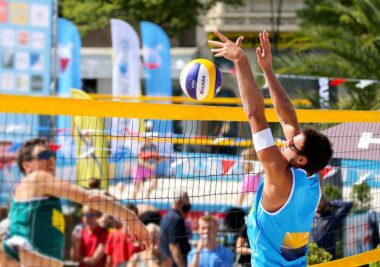

Analyzing Match Footage to Improve Libero Skills
In the world of volleyball, the libero stands out as a specialized defensive player. To become a proficient libero, training must include extensive analysis of match footage. This reflective practice allows players to recognize patterns in their gameplay and the opposing team’s strategies. By understanding these nuances, a libero can enhance various skills, including serve reception, defense, and court awareness. Watching match footage provides context that simple drills cannot replicate, sharpening the libero’s decision-making skills in real-time situations. Coaches should encourage their liberos to engage with recorded matches, focusing on their movements and positioning during crucial moments. This analysis enables them to spot errors and areas for improvement. Additionally, recognizing the successful techniques of other liberos can provide insights into effective defensive tactics. Some of these tactics could include excellent anticipation of ball trajectories and quick lateral movements. Players may create an improvement plan based on this analysis, categorizing skills to refine further. As they integrate these lessons into practice, they are likely to see noticeable improvements in their performance, ultimately impacting their team’s success. Regular video review is a critical component of ongoing development.
Utilizing match footage for skill development is particularly advantageous for the libero position. A libero often has to react swiftly, making split-second decisions in high-pressure scenarios. When analyzing footage, players can break down these critical moments, examining how they positioned themselves, their reaction speed, and whether they effectively met the ball. They should look for instances where they could have executed a better play and identify what inhibited them from doing so. Questions to consider during this review include: Did I maintain the correct stance? Was I anticipating the ball’s trajectory? How effectively did I communicate with teammates? By reflecting on these questions, players can attain a better understanding of their game play. Furthermore, discussing this footage with a coach can also provide valuable feedback, guiding the training process. Coaches can point out techniques or decisions that may not have been apparent to the player. This collaborative approach fosters a deeper learning process, allowing players to transform their observations into actionable skills and adaptations. In this respect, video analysis not only enhances individual skill sets but also cultivates effective communication on the court.
When engaging with match footage, the libero can focus on specific play situations to maximize their training effectiveness. Analyzing serves, for example, is crucial to mastering serve reception. A libero must read the server’s body language and understand the type of serve—whether it be a float serve, jump serve, or spin serve. By repeatedly watching serves from various angles, the libero can become adept at anticipating movement and positioning themselves for an optimal reception. Observing common serve techniques used by opponents in different match contexts helps players anticipate these plays in future confrontations. Additionally, reviewing defensive plays can be instrumental. What techniques were effective for other liberos? How did they transition from defense to offense? Documenting key takeaways from footage provides a stronger understanding of successful strategies that can be borrowed. Players can also extract lessons from mistakes made by others, learning what not to do in critical moments. This reflective process not only improves the individual libero but can foster a culture of teamwork by encouraging shared learning experiences among teammates.
Integrating Insights into Practice
After extensive footage analysis, the next step is integrating these insights into practical training sessions. The libero should focus on specific techniques observed in the footage, aiming to replicate these movements in practice scenarios. For instance, if a player identified that maintaining a low center of gravity improved their defensive capabilities, drills should emphasize this technique. Incorporating watching into real-time practice through situational drills can allow the libero to apply their learnings actively. Coaches can set up specific scenarios during training that mimic the challenges faced in the footage, providing the libero with opportunities to execute improved movements. By repeatedly practicing these situations, muscle memory develops, leading to quicker, instinctive reactions during matches. Peer-based feedback can also play a crucial role; by observing each other and exchanging insights, liberos enhance their collective understanding of effective defensive strategies. Regularly revisiting aspects showcased in the footage strengthens their adaptability on the court. This cycle of watching, analyzing, and practicing creates a consistent framework for self-improvement and skill formation essential for any aspiring libero.
In addition to personal and team practices, technology can greatly enhance training for liberos. Modern training tools like video analysis software can help players review their performances in detail. Solutions available today provide features such as slow-motion playback and frame-by-frame analysis, allowing precise examination of techniques. By accessing these tools, liberos can monitor their progress over time, tracking improvements and adjusting techniques accordingly. Coaches can implement various analytical tools that provide data on player performance during matches, allowing for more informed training decisions. Moreover, video analysis can serve as a motivational tool by demonstrating progress. Seeing improvement in play from season’s start to end can encourage players to hone their skills further. Another promising avenue is using augmented reality (AR) training simulations that replicate match situations, providing a safe space to practice critical skills. Embracing these technologies enriches the training experience, contributing to the development of a more proficient libero. This tech-enhanced approach works hand-in-hand with traditional practice, creating a collaborative and comprehensive training regimen.
As liberos continue their journey of improvement through video analysis, fostering mental resilience becomes equally essential. Engaging with footage can be an emotional experience, as viewing one’s mistakes is often challenging. It is crucial for players to cultivate a growth mindset, recognizing that every error provides an opportunity for progress. To reinforce emotional strength, liberos should practice mindfulness techniques such as meditation and breathing exercises. By focusing on the present during matches and practice, they enhance their concentration and ability to remain composed under pressure. Furthermore, maintaining a positive attitude in spite of setbacks encourages resilience. Coaches play a vital role in reinforcing this social aspect, helping liberos navigate the emotional challenges that come with analysis. Open discussions about player frustrations can prove beneficial and build camaraderie among teammates. Solving challenges collectively creates a supportive atmosphere that fosters mutual growth. As liberos become mentally resilient while applying technical skills, they cultivate better overall performance. This holistic training approach contributes to the libero’s development, paving the way for better on-court contributions and team success.
The Road to Mastery
Ultimately, mastering the role of the libero requires a dedication to ongoing learning and adaptation. The integration of match footage analysis is just one step in a larger journey toward excellence. While physical skills are crucial, the ability to think critically about one’s performance elevates a player’s game. Through consistent practice and reflection, liberos develop not only their individual technique but also their understanding of team dynamics. Communication and collaboration with teammates become second nature when players regularly engage in discussions centered on footage review. This leads to a well-rounded approach to volleyball, enhancing both defensive and offensive plays. As players invest their time and energy into this learning process, they open doors to new opportunities within their volleyball careers. Setting personal goals to improve specific skills, backed by video analysis, ensures a directed training pathway. With a commitment to integrating knowledge from match observations into their gameplay, liberos can become powerful assets to their teams. In reflecting on past performances, expected outcomes for future games become more attainable, shaping a promising trajectory for aspiring liberos.
Overall, analyzing match footage is a critical tool for developing skilled liberos. It promotes a cycle of learning that combines practice, analysis, and emotional resilience. By engaging critically with match footage, liberos not only refine their technical skills but also enhance their understanding of the game. This blending of skills will lead to adaptability during matches and a deeper comprehension of individual responsibilities on the court. The best liberos will continuously strive for improvement, using video analysis as a guide. It is also beneficial to share insights and learnings with teammates, establishing a team culture oriented towards collective development. In recognizing that improvement is a lifelong journey, players will have the motivation to persist despite challenges. Ultimately, video analysis can be the turning point in a libero’s development path, leading to elevating performance levels. As the volleyball community continues to embrace technology and reflective practices, the role of the libero will evolve alongside. Aspiring liberos should approach their training with enthusiasm, as the journey of skill refinement fuels their passion for the game. These practices culminate in contributing value to teams, representing the culmination of hard work and dedication.