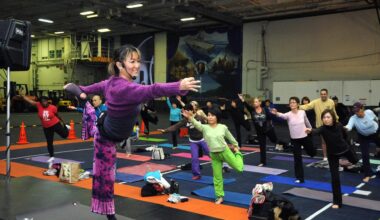

Mindful Recovery: Recharging the Mind After Tennis Workouts
After an intense tennis workout, it’s essential to implement mindful recovery techniques to recharge both body and mind. Mindfulness helps cultivate awareness of the present moment, which can significantly enhance your recovery process. By focusing on your breathing, you cultivate a connection between your mind and body. One effective technique is to practice deep, rhythmic breathing while visualizing each inhale filling your body with rejuvenating energy and each exhale releasing tension and fatigue. This practice not only calms the mind but can also alleviate any lingering discomfort from the match. Additionally, engaging in simple stretching routines while practicing mindfulness allows you to reconnect with your body. Embracing a calm and tranquil environment during these exercises further aids in mental relaxation and focus. Incorporating soothing music or nature sounds during your stretch sessions can also enhance the experience, making your recovery more enjoyable. Try setting aside at least fifteen minutes specifically for this purpose after each workout, and you’ll see improvements in both your performance and overall mental well-being. Remember, recovery isn’t just about the body; it’s about recharging your mental resilience as well.
Practicing Mindfulness through Meditation
Meditation is an excellent way to enhance your focus and mindfulness following a challenging tennis session. Various meditation practices can be incorporated into your recovery routine to optimize mental clarity and relaxation. Try starting with a brief mindfulness meditation session, focusing on your breath and letting go of any racing thoughts that may arise post-workout. As you sit quietly, allow yourself to experience thoughts and emotions without judgment, accepting them as part of your recovery process. Try to carry this mindful approach into your daily routine to strengthen not only your focus but your resilience on the court. Additionally, visualization techniques can be compelling. Imagine your ideal performance, executing shots flawlessly and feeling confident. This not only enhances focus but also sets a mental blueprint for future matches. Consider engaging in guided meditations tailored for athletes. There are many available resources online or through apps, making it easy to find the right fit for your needs. Consistent practice of meditation will lead to improved concentration levels, ultimately allowing you to perform your best during crucial moments in your matches.
The Importance of Nutrition in Recovery
Nourishing your body with the right foods is equally important in your recovery process. Proper nutrition can enhance energy levels, improve endurance, and aid in quicker mental recovery. Post-match, prioritize foods rich in antioxidants, vitamins, and minerals to help combat fatigue and stress that accumulates during play. Fruits like berries, along with lean proteins and whole grains, are essential for recovery. These foods help replenish energy stores and can positively affect your mood. Moreover, hydration also plays a critical role; make sure to drink plenty of water after your tennis sessions. Consider incorporating herbal teas or electrolyte solutions for added benefits. Avoid sugary drinks, as they may lead to energy crashes later on. Consuming a well-balanced meal shortly after intense workouts can optimize both physical and mental recovery, establishing a routine beneficial for your overall performance. Planning your post-match meals can help you stay focused on your recovery goals, ensuring you are mentally ready for your next game. Together, a balanced diet and mindfulness meditation will create a harmonious relationship between your physical and mental recovery.
Engaging in Active Recovery Strategies
Active recovery methods can be particularly effective for recharging your mind and body after tennis workouts. Engaging in light, non-strenuous activities allows your muscles to recover while keeping your mind focused and sharp. Consider activities like brisk walking, gentle cycling, or swimming, as they promote blood flow without overexerting your body. These activities can help reduce muscle soreness and accelerate recovery time, allowing you to return to the court quicker. During active recovery sessions, practice mindfulness by concentrating on your environment. Notice the beauty around you, the rhythm of your movements, or the sounds of nature. This connection will benefit your mental state, allowing you to decompress and unwind from the high-intensity environment of tennis. Additionally, incorporating breathing exercises during these sessions can deepen your sense of calm. After completing your active recovery routine, take a few moments to reflect on your thoughts and emotions. This cognitive process will reinforce the importance of both mental and physical well-being, ultimately leading to a more balanced tennis performance during your next match.
Prioritizing Sleep for Optimal Recovery
Sleep is an essential factor in both physical and mental recovery, often overlooked by athletes. Getting sufficient quality sleep helps restore energy levels, improve focus, and enhance overall performance on the court. During sleep, your body repairs itself, allowing muscles to recover, and your brain consolidates the important skills learned during practice. To prioritize sleep as part of your recovery routine, create a comfortable sleep environment. Essential elements include a dark room, a comfortable mattress, and a cool temperature. Develop a regular sleep schedule to help establish a routine that aligns with your training. Aim for 7-9 hours of uninterrupted sleep each night, allowing your body to regenerate. Limiting screen time before bed can also improve the quality of your sleep, as the blue light emitted by devices impacts your circadian rhythms. Simple relaxation techniques, such as gentle yoga or reading, can help signal to your body that it’s time to wind down. Emphasize getting restful sleep as a fundamental part of your recovery process to ensure peak performance during competitions.
Incorporating Mindful Breathing Techniques
Implementing mindful breathing techniques during your tennis recovery can significantly reduce stress and enhance focus. Simple breathing exercises can be practiced anywhere, making them an accessible addition to your recovery routine. One effective method is the “4-7-8” breathing technique, which encourages deep, calming breaths. Inhale deeply through the nose for four seconds, hold for seven seconds, and then exhale slowly through the mouth for eight seconds. Practicing this technique several times can create a tranquil mental state and help release pent-up tension. Attend to your breath with full awareness; notice how it feels as you inhale and exhale. You may also choose to focus on a calming phrase or image as you breathe, further promoting relaxation and clarity. Practicing these techniques daily can improve your overall mental composure, leading to better performance in crucial match moments. Consider setting aside time for mindful breathing both immediately after your workouts and when preparing for competitions. The combination of controlled breathing and mindfulness will help you navigate emotional ups and downs effectively.
Conclusion: Achieving Balance through Mindfulness
In conclusion, achieving balance through mindfulness and focus techniques is vital for recharging your mind after tennis workouts. Incorporating practices such as meditation, purposeful nutrition, active recovery, prioritizing sleep, and breathing exercises can greatly impact your overall athletic performance. Recognizing the connection between your mental and physical health is essential for success on and off the court. These techniques foster resilience and concentration, enabling you to stay in the moment and perform at your best. Make a commitment to integrate these mindfulness habits into your routine, reinforcing a holistic approach to tennis fitness. Doing so will enable you to engage fully in every training session, preparing both your body and mind for challenges ahead. By cultivating a mindset that values recovery as much as practice, you can ultimately enhance your tennis experience and enjoy the journey of improvement. Remember, recovery is not just about rest; it’s about empowering yourself to thrive under pressure and become the player you aspire to be each time you step onto the court. Prioritize mindfulness today for a better tomorrow.
This is another paragraph with exactly 190 words…